
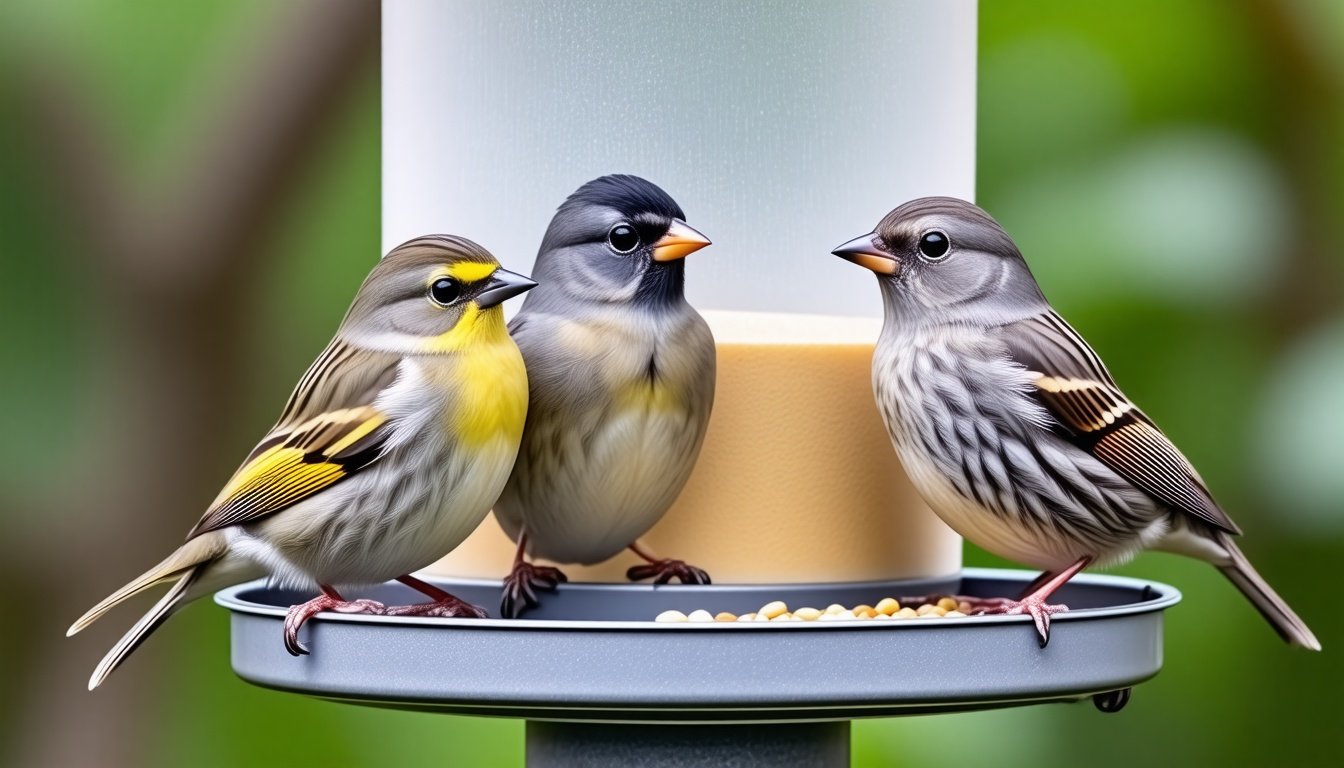
There is something magical about sitting by a bird feeder and watching the little dramas unfold. Birds flutter, squawk, perch, and peck, each with its own flair. It is not just about filling a feeder with seeds and waiting for visitors. No, it is about noticing the tiny personalities that come to visit. Over time, the bird feeder becomes less of a food station and more of a window into a bustling neighborhood full of lively characters.
Have you ever thought about the fact that birds, just like people, have personalities? Some are shy, some are bold, some are downright rude, and others are outright comical. I remember the first time I realized that I was not just feeding birds—I was getting to know them. It changed everything.
The Bird Feeder: Your Front-Row Seat to Drama and Delight
When I first put out a simple, homemade feeder in my backyard, I just wanted to see pretty birds. What I got was so much more. It turns out that a feeder acts like a stage, with different birds playing very different roles. And if you pay attention, you can start to spot who is who.
Let us think of it like this. Imagine you are throwing a party. Some guests arrive fashionably early and look around carefully before mingling. Others dash right in, start chatting nonstop, and take over the snacks. Some hover by the edges, watching quietly, while a few patrol the room like tiny bosses. Birds do the very same thing at my feeder.
The Bold and the Beautiful
There is always one bird who acts like it owns the place. Meet the bold ones—the kind that swagger right up to the feeder without a hint of hesitation. For me, that bird is usually a blue jay. They have those sharp eyes and flashy feathers that demand attention. Sometimes they chase off smaller birds just to keep the feeder to themselves. They are clever and loud, not your average wallflower.
They also get the nickname “the drama queens” because, well, they tend to squawk loud enough for the whole neighborhood to hear. Watching a blue jay hold court is like watching a mini soap opera. I have learned that these birds often have strong family bonds and can get pretty protective.
The Shy Types
On the flip side are the shy birds. These are the ones who peek out from the bushes, flit nervously from branch to branch, and only come down when the coast is clear. The sparrows and chickadees often play this part. It took me a while to even notice them because they are quiet and fast.
What I found funny is that their timidity makes them more adorable. They often watch from a distance and nibble cautiously. Sometimes they seem almost suspicious, like they are sure something bad will happen if they get too close. Yet, they come back, day after day, in their own sweet way.
The Rude Neighbors
Every neighborhood has that one neighbor who is a little… difficult. And your bird feeder will too. I call them the “rude neighbors.” These are the birds that dart in, grab a mouthful of seeds, and then chase everyone else away. Think of house sparrows or grackles. They can be pushy and downright greedy.
At first, I was annoyed by these birds. They seemed to ruin the peaceful moments I wanted. But after a while, I realized they are just doing what nature programmed them to do—survive and thrive. Plus, their antics add a whole new level of entertainment. Watching them squabble over a seed is like front-row tickets to a reality show.
The Comedians
Then there are the birds who simply make me laugh. The ones who do unexpected things, like cock their heads almost sideways, or flap in a funny way, or land and hop twice before deciding it is safe. Chickadees often do this, but even a regular robin can surprise you with its goofy moves.
This humor makes the bird feeder experience feel alive and personal. It feels less like watching animals and more like hanging out with old friends who keep cracking jokes. I start to recognize their little quirks and anticipate what they might do next.
How I Started Recognizing These Personalities
Spoiler alert: It is not magic or a bird-whisperer talent. It is simple attention. I began by just sitting quietly and watching. Sometimes for just five minutes, sometimes for an hour if the weather was nice. I kept a small notebook nearby and jotted down what I saw. Maybe it sounds silly, but writing helps notice details I would have missed.
Here are some simple ways I learned to catch these personalities from my bird feeder:
- Watch Behavior, Not Just Looks. Birds of the same species can act very differently. One chickadee might be shy, another bold. Notice who approaches first, who waits, who chases.
- Look for Patterns. Which bird shows up at the same time every day? Who is a regular and who is an occasional visitor? Patterns reveal comfort levels and routines.
- Keep Quiet and Still. Birds notice movement and noise easily. Staying calm lets them feel safe enough to show their true colors.
- Use Binoculars. This helps catch tiny expressions and gestures. Birds communicate through their eyes and head movements just like us.
- Take Mental Notes of Favorite Spots. Does a bold bird always land on the highest perch? Does a shy one hide behind a leaf? Spotting these habits helps build their character profiles.
Building Your Own Feeder With Personality in Mind
If you want to experience this joy, a standard bird feeder will do, but adding a few touches makes all the difference. I started with a simple DIY project using a recycled plastic bottle, some wooden spoons, and twine. Nothing fancy, but it invited a wonderful variety of visitors.
Here are some fun ideas to help your bird feeder attract more characters and reveal their personalities:
- Multiple Feeders. Having a few feeders spread out gives shy birds their own space. It reduces drama, too.
- Different Seed Types. Preferred snacks make visitors stick around. Sunflower seeds attract cardinals and finches, while nyjer seed brings in goldfinches.
- Perches of Varied Sizes. Big birds need sturdy perches; smaller ones like thin branches. Mixed options encourage both to mingle.
- Include Water. A small bird bath nearby invites even more action and shows another side of your feathered friends—when they are grooming or splashing around.
- Safe Hiding Spots. Bushes or trees near the feeder offer protection for the shy ones. They feel brave enough to come out and join the party.
One of my favorite days was when a tiny wren visited the feeder. It looked so small and fragile next to a confident robin, but it hopped around with surprising bravado. That day, I realized every bird has a role to play, from the loud to the quiet, the bold to the bashful.
Why Knowing Bird Personalities Matters
You might wonder why it even matters to notice these details. After all, birds are wild creatures who will come and go as they please. Here is the thing: noticing these personalities turns birdwatching from a quick hobby into a rich experience. It changes you. It makes the natural world feel closer and more compassionate.
When I learned to recognize personalities, I felt a new kind of connection. It showed me the bigger picture of nature’s secret lives, full of emotions, struggles, and joy. It also made me more patient and observant in other parts of my life. If I could see how a tiny bird feels and acts, maybe I could try to understand my own neighbors better too.
Plus, it is just plain fun. Nothing beats the thrill of spotting the same “character” again and seeing what they will do next. Like the blue jay who always comes just as I start pouring fresh seed or the cheeky sparrow that tries to steal food from everyone else.
Tips for Becoming a Backyard Bird Personality Detective
Ready to start your own bird personality adventure? Here are some friendly tips I wish I had known when I started.
- Be Patient. Birds will take time to reveal themselves. Don’t rush or get frustrated if you do not notice much at first. It is like getting to know a new friend.
- Get Comfortable. Make a cozy spot near your feeder with a chair and maybe a warm drink. The longer you stay relaxed, the more you will see.
- Learn Bird Basics. Knowing a bit about the species helps you catch what is unique about each bird’s behavior.
- Use a Journal or App. Write down or snap photos of your visitors. Over time, you will spot trends and “remember” special characters.
- Invite Others. Share your stories with family or friends. Talking about your feathered neighbors makes the experience more real and fun.
Final Thoughts (Without Saying ‘Finally’)
One day, I noticed a tiny finch perched quietly beside a busy tufted titmouse, each doing their own thing but sharing the feeder space peacefully. It was a small moment, but it filled me with a quiet joy that stuck with me all day. That quiet finch, the bossy jay, the sneaky sparrow—they are not just birds anymore. They are personalities I look forward to seeing, little friends who brighten even the dullest mornings.
So, if you have a patch of grass, a porch, or a window ledge, why not set up a little bird feeder? Then just watch. Watch carefully, watch often. You might be surprised how much life, color, and character show up when seeds meet personality. The stories waiting to unfold right outside your door are better than any TV show. And the best part? You do not even need popcorn.