
Imagine a quiet morning in your backyard. The sun is just nudging the sky awake, and your feeder is sprinkled with tiny treasures designed to welcome a flutter of feathered visitors. You watch as a curious sparrow hops in, pecks at the bounty, then flits off to share the news with its flock. But hold on—what exactly did you sprinkle out there? Millet? Cracked corn? Safflower? And does it really make a difference to those little beaked friends? Oh, it does. And then some.
Choosing the right seeds for your backyard bird feeders is a bit like picking the right snack for guests at a party. You want to serve what makes them happy, what keeps them coming back, and what won’t attract uninvited troublemakers (I am looking at you, squirrels). So what should you use? Let us take a friendly stroll through the world of millet, cracked corn, and safflower, and figure out which seed sings the sweetest song to your bird visitors.
Meet the Contenders
Before we play favorites, let us get to know our three main players. Each seed has its own charm, quirks, and set of fan club members among the local birds.
Millet
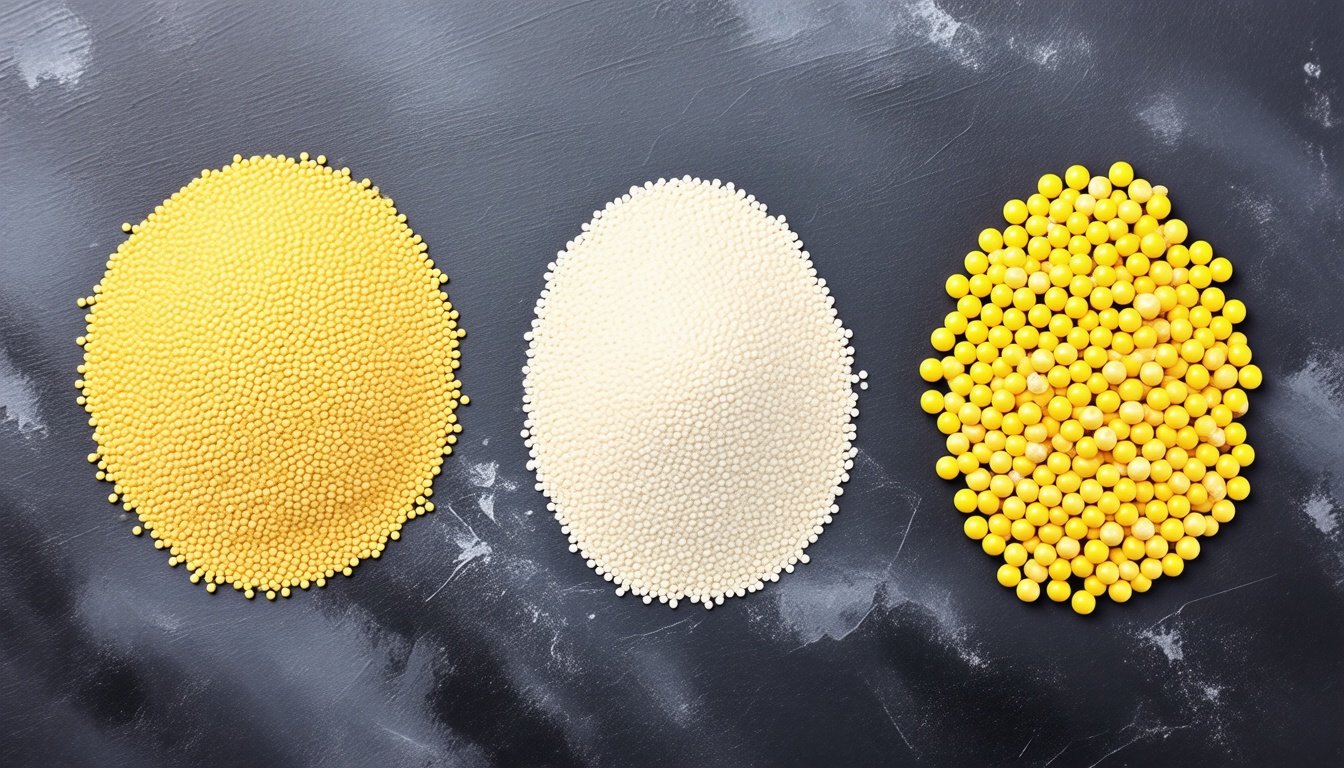
Millet is like the little bundle of joy in the bird seed family. It is small, round, and comes in shades from creamy white to pale yellow. Think of millet as the favorite snack for many small birds because it is easy to eat and packed with energy.
It is especially loved by finches, sparrows, juncos, and doves. If you want to attract a delicate little flock to your feeder, millet is often the go-to. It also works wonders in ground feeding trays where tiny birds can hop around and enjoy without much competition from bigger birds.
Cracked Corn
Cracked corn looks like tiny yellow “chips,” perfect for nibbling. It is, well, cracked pieces of dried corn kernels. This snack appeals mostly to larger birds and ground-feeders like pigeons, quail, jays, doves, and even the occasional chicken that may wander your yard.
It is hearty, filling, and can be a budget-friendly option if you are feeding a big crowd. But ask yourself: are you aiming for a crackerjack variety of visitors, or just the big guys who like to crowd the feeder? Because cracked corn can sometimes bring in unwanted guests. We will talk more about that later.
Safflower
Safflower seeds are a bit like the strong, silent type. They have a crunchy outer shell that not every bird can crack, but this toughness keeps pesky squirrels at bay (hallelujah!). Safflower is white or cream with a subtle bitterness that finches, cardinals, chickadees, and titmice adore.
If you have ever swatted away squirrels or grumbled at starlings, safflower might just be your secret weapon. It does have a loyal fan base among certain birds, but the squirrels tend to say “thanks, but no thanks.”
Who Eats What? The Taste Test For Birds
Birds are picky eaters, just like us. Some savor the delicate, tiny millet seeds while others prefer the crunchier delight of safflower. Bigger birds usually lean toward cracked corn.
Millet Lovers
- Finches: These tiny beauties are head over heels for millet. It is their favorite, and they will happily flock to a feeder stocked with it.
- Sparrows: Always up for a snack, especially when it is millet scattered on the ground.
- Juncos: These frosty-patterned birds are big millet fans, often seen scratching around for it.
- Doves: Mourning doves love munching on millet as a reliable food source.
Cracked Corn Fans
- Jays: Loud and proud, jays like the big, crunchy pieces.
- Pigeons: No snobs here—corn is a steady meal.
- Quail: Ground feeders that thrive on cracked corn.
- Doves: Yes, doves like both millet and cracked corn, showing they are versatile snackers.
Safflower Devotees
- Cardinals: These bright red showstoppers adore safflower seeds.
- Chickadees: Tiny but tough, these birds crack open safflower with ease.
- Titmice: They have strong beaks to get past safflower’s shell.
- Finches: Some finch species like safflower, though millet is their top pick.
What To Think About When Filling Your Feeder
So you bought a bag of birdseed but suddenly realize you have no idea which seed to scatter or where. Feeding birds might sound simple — just toss stuff in a feeder, right? — but there is a little more finesse to it.
Consider The Birds You Want To Attract
Are you all about those tiny finches flitting around your feeder? Millet might be your golden ticket. Are you after a diverse crowd, including larger birds? Then cracked corn could be your choice. Want to discourage squirrels and keep cardinals coming back? Safflower is your friend.
Think About Your Local Wildlife
You can set out the most gourmet seed mix, but if your area is overrun with squirrels and you do not want them making a mess, safflower’s natural squirrel resistance wins hands down. Cracked corn might feed the birds but also invite some unexpected visitors—raccoons, deer, or bigger birds that can scare off the small ones.
Where Are You Feeding?
- Ground feeding: Tiny millet shines here because small birds like to scratch on the ground.
- Tube or hopper feeders: Safflower and mixed seed blends work well, especially if you want to limit squirrels.
- Platform feeders: Cracked corn can be scattered in big amounts since platform feeders accommodate messier-eaters.
Which Seed Is Best For DIY Bird Feeders?
If you are crafting your own bird feeder, you might wonder: which seed behaves best when piled into a homemade contraption? Something too small might spill too easily, too big might clog your feeder’s openings.
Millet: Small and lightweight, millet can sometimes scatter if your feeder holes are wide or your feeder swings in the breeze. Great for ground feeders or tray-style DIY feeders.
Cracked Corn: Larger chunks that stay put nicely. If your feeder has bigger openings, cracked corn will not escape as quickly. Perfect if you want a robust seed that stays in place and feeds bigger birds.
Safflower: Hard to crack for squirrels, and the larger seed size keeps it from falling through small holes. It is a wonderful choice for tube feeders and mixed seed blends in DIY projects.
Are There Downsides?
Sure. Nothing is perfect in this birdseed world.
Millet can be messy. Tiny seeds fall everywhere, meaning you might find small piles of seeds germinating in your garden (hello, accidental millet patch next spring). Also, it can attract house sparrows and sometimes starlings, who are not everyone’s favorite.
Cracked corn can invite larger birds—and sometimes bigger animals—turning your peaceful birdwatching moment into a raucous reunion. Plus, cracked corn does not have as much protein as other seeds, so it is not the most nutritious option.
Safflower may not attract as many birds as millet or cracked corn, especially if you have a very diverse bird population. Some birds do not like its slightly bitter taste, so it might go uneaten sometimes.
Mixing It Up: Can You Offer Them All?
Absolutely! You do not have to pick just one seed and stick with it forever. Offering a mix can make your backyard feel like the bird equivalent of a five-star restaurant. Different birds come for different sections of the menu. Mixing millet, cracked corn, and safflower means you appeal to a broad crowd.
If you want to get creative, try layering sections of a DIY feeder or dividing feeding areas in your yard. Maybe millet on the ground, safflower in a tube feeder, cracked corn sprinkled on a platform. This gives you the chance to observe who likes what and adjust accordingly.
One Final Thought: Watch And Learn
Every backyard is its own little ecosystem. What works for your friend’s bird feeder might not work for yours. Try tossing a handful of millet and see who shows up. Then switch to cracked corn and notice the difference. Try safflower and observe who ignores it and who cannot get enough.
Feeding birds is a dance, not a lecture. Watch how the birds behave, take notes—yes, really! It is a fun way to learn and feel connected to the little wild creatures who share your space. Birds are not just pretty guests; they have personalities and preferences that might surprise you.
So, millet, cracked corn, or safflower? The answer might just be all of the above. But more than that, the answer is about paying attention, being curious, and loving every tiny beak that visits your patch of the world. Happy feeding!