
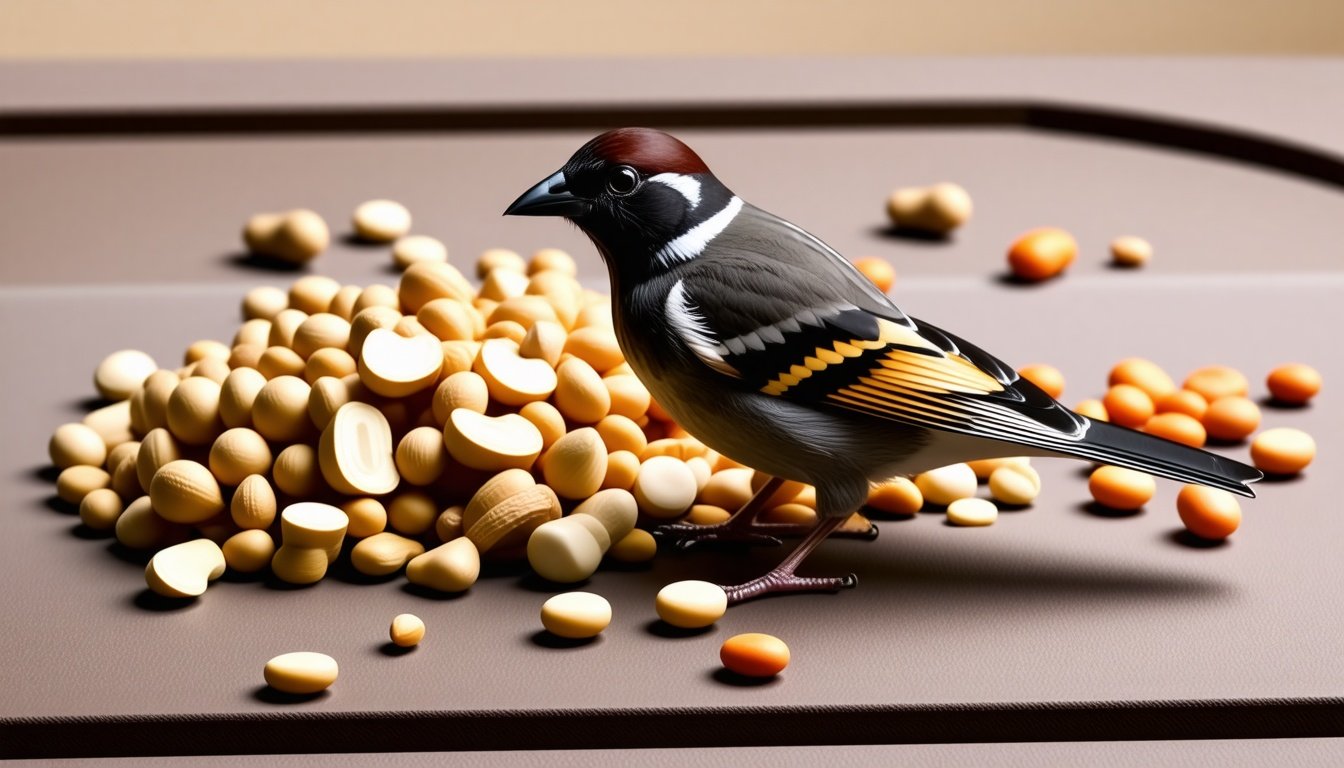
Every week or so, when you clean out the fridge or finish a meal, you face the same old question: what to do with those leftover scraps? Tossing them into the trash feels wasteful, and compost piles can get a little, well, stinky. But what if you could feed your backyard birds with some of those kitchen leftovers? It sounds like a win-win—reducing waste and giving your feathered friends a tasty treat. Sweet, right? Before you rush outside with that moldy chunk of bread or pile of veggie peelings, there’s a catch: not all kitchen scraps belong in a bird’s belly. Some leftovers could do more harm than good.
So, what scraps make good bird food? Which ones should you avoid? And how do you turn everyday kitchen remnants into a DIY feast your neighborhood birds will love? Stick around. We are about to get into the nitty-gritty of feeding birds with kitchen scraps—and no, you do not have to be a bird scientist to pull it off.
Why Even Feed Birds Kitchen Scraps?
Let’s start with the basics. Birds, especially those in your backyard, can benefit from a little extra food when natural options get scarce—like during cold months or dry spells. Feeding birds is also a way to connect with nature, practice kindness, and, well, just enjoy seeing colorful, chirpy visitors right outside your window. But, full disclosure, this is not about tossing *everything* from the kitchen out the window.
Kitchen scraps are handy because they:
- Help reduce food waste.
- Are often available without special shopping or planning.
- Make a budget-friendly bird buffet.
- Attract a variety of birds, sometimes species you might not see otherwise.
That said, feeding birds does come with some responsibility. Not all leftovers equal yum. Keep your eyes peeled for what works—and what will leave your birds feeling queasy, sick, or worse.
What Kitchen Scraps Are Safe for Birds?
Let us talk turkey about the good stuff first: the scraps birds can eat without a worry. Here’s a quick list that you are going to want to keep handy next time you wonder if that broccoli stump or stale toast can become feather food.
Bread (But Only in Small Amounts!)
If birds had a favorite comfort food, stale bread would probably be it. Almost all backyard birds love a little piece of bread now and then. But please note, bread is basically empty calories—like junk food for birds—and too much is bad news. Moldy bread can be toxic, so always double-check before tossing crumbs outside. If it looks fuzzy or smells weird, toss it in the compost instead.
Vegetable Scraps
Most raw vegetable scraps work well. Think carrot shavings, cucumber skins, celery ends, or bits of cooked sweet potato (no seasoning or oil). Birds especially appreciate dark leafy greens like kale and spinach, which you might have left after chopping. Avoid anything cooked with salt, butter, or spices, though, because those can upset a bird’s belly.
Fruit Peels and Bits
Birds adore fruits like apples, pears, berries, and melons. Even the peels are usually safe, as long as they are free from pesticides and not citrus. Citrus (oranges, lemons, grapefruit) can be a bit harsh for most common backyard birds. So, save those for your compost or a citrus-loving wildlife friend if you happen to have one. When giving fruits, always remove seeds or pits—they can be toxic.
Cooked Rice and Pasta
Plain cooked rice and pasta are easy-to-digest carbs for birds. Toss these in small amounts to avoid attracting pests like rats or ants. Skip sauces, oils, or any seasoning on these—they are no good.
Eggshells
After you finish your scrambled eggs or omelets, clean the shells, crush them up, and throw them outside. Birds, especially robins and blue jays, enjoy picking up these calcium-rich treats for strong eggs and bones. Just be sure to rinse and dry the shells first.
What Scraps Are a No-Go?
Now, for the meat of the matter (pun intended)—and spoiler alert, this is the bigger list. Some scraps are like a bad party guest: they look fun but cause a lot of problems. These foods can make birds sick or even kill them.
Anything Salty or Seasoned
Salt is poison to birds. Even a tiny pinch can cause dehydration or kidney failure. That means no chips, salted nuts, or seasoned leftovers. Same goes for sugar and artificial sweeteners.
Onions and Garlic
These kitchen staples contain compounds that damage birds’ red blood cells. They might not seem like a problem in small amounts, but feeding birds cooked onions or garlic—whether raw or cooked—could be dangerous.
Avocado
This one catches a lot of people off guard. Avocado contains persin, a fungicidal toxin that is deadly to many bird species. No matter how ripe or how you slice it, avoid avocado scraps like the plague.
Chocolate
Chocolate is not just a no-no for dogs and cats—birds cannot handle it either. Theobromine and caffeine can cause heart problems and death. No chocolate cake crumbs, cocoa powder, or candy bits! Stay far away.
Raw Potato and Potato Peels
Raw potato and anything green on potato skins contain solanine, which is toxic to birds. Small bits can cause weakness or worse. Cooked potatoes without salt or spices are okay in small amounts, but raw? Definitely no.
Dairy Products
Birds do not have the enzymes to break down dairy. Milk, cheese, yogurt, and butter can cause digestive upset or diarrhea. Better to keep those leftovers for yourself.
Fatty or Oily Foods
Grease, bacon fat, or oily leftovers might seem tempting, especially to scavenging birds, but these can cause digestion issues or create a nasty mess. Avoid offering anything greasy or oily to your feathered friends.
Raw Beans
Raw beans have lectins that are harmful to birds. Only cooked beans without seasoning should ever be offered, and even then, in moderation.
How to Share Your Scraps Safely
So you have your safe scraps and know what to avoid. But how do you actually share your kitchen leftovers without turning your yard into a chaotic buffet or an unwanted pest haven? Here are some friendly tips.
Keep it Clean
Birds are delicate. Leftover food left out for too long can spoil, grow mold, or attract unwanted visitors like raccoons, rats, and ants. Feed small portions that birds can clean up quickly. Clean feeding stations frequently, and avoid piling up old food.
Use Appropriate Containers
DIY feeders come in all shapes and sizes and can be made from recycled materials like toilet paper rolls, pine cones, or old containers. Use feeders that keep scraps dry and off the ground, so the food stays fresh longer.
Watch the Season
In warmer months, food spoils faster. Offer kitchen scraps sparingly in summer and increase in winter when natural food is scarce. This helps prevent spoilage and health issues.
Mix Scraps with Birdseed
Don’t throw only scraps out there. Mixing kitchen leftovers with high-quality birdseed creates a balanced meal. Seeds provide protein and fat; scraps add variety and nutrients. The birds will love the menu.
Know Your Birds
Different birds prefer different foods. Cardinals and finches nibble on seeds and fruits, while woodpeckers like suet and insects. Watch which birds visit your yard and tailor your scraps accordingly.
DIY Bird Feeder Ideas for Kitchen Scraps
Want to get crafty? Building your own bird feeders using kitchen scraps and recycled materials is fun and keeps scraps off the ground. Here are some ideas to get your creative juices flowing.
- Pine Cone Feeder: Smear a pine cone with peanut butter (unsalted, unsweetened), then roll it in seeds or oats. Hang it with string. This is a favorite for chickadees and nuthatches.
- Toilet Paper Roll Feeder: Spread peanut butter inside a toilet paper tube, roll in seeds, and thread with twine. Birds love pecking at the seeds stuck to the roll.
- Orange Peel Bowl: Halve an orange, scoop out the inside, and fill the peel with birdseed or fruit bits. Hang in a tree for a natural, biodegradable feeder.
- Kitchen Scrap Compost Birdbath: When you clean scraps, some pieces are too good for food but great for insects and worms. Create a mini compost pile under bushes; birds will come to forage the insects that appear.
One Last Thought: Listen to Your Birds
The best teachers are the birds themselves. Pay attention to their behavior. If you notice a sudden drop in visitors, sick-looking birds, or strange droppings, stop feeding and clean everything up. Sometimes, less is more when keeping wild birds healthy.
Sharing your kitchen scraps with backyard birds can be a joyful way to connect with nature, fight food waste, and witness wildlife up close. Just remember, a little knowledge goes a long way in keeping those birds happy, healthy, and coming back for more.
Happy bird feeding! And may your backyard chorus be loud, lively, and full of life.