
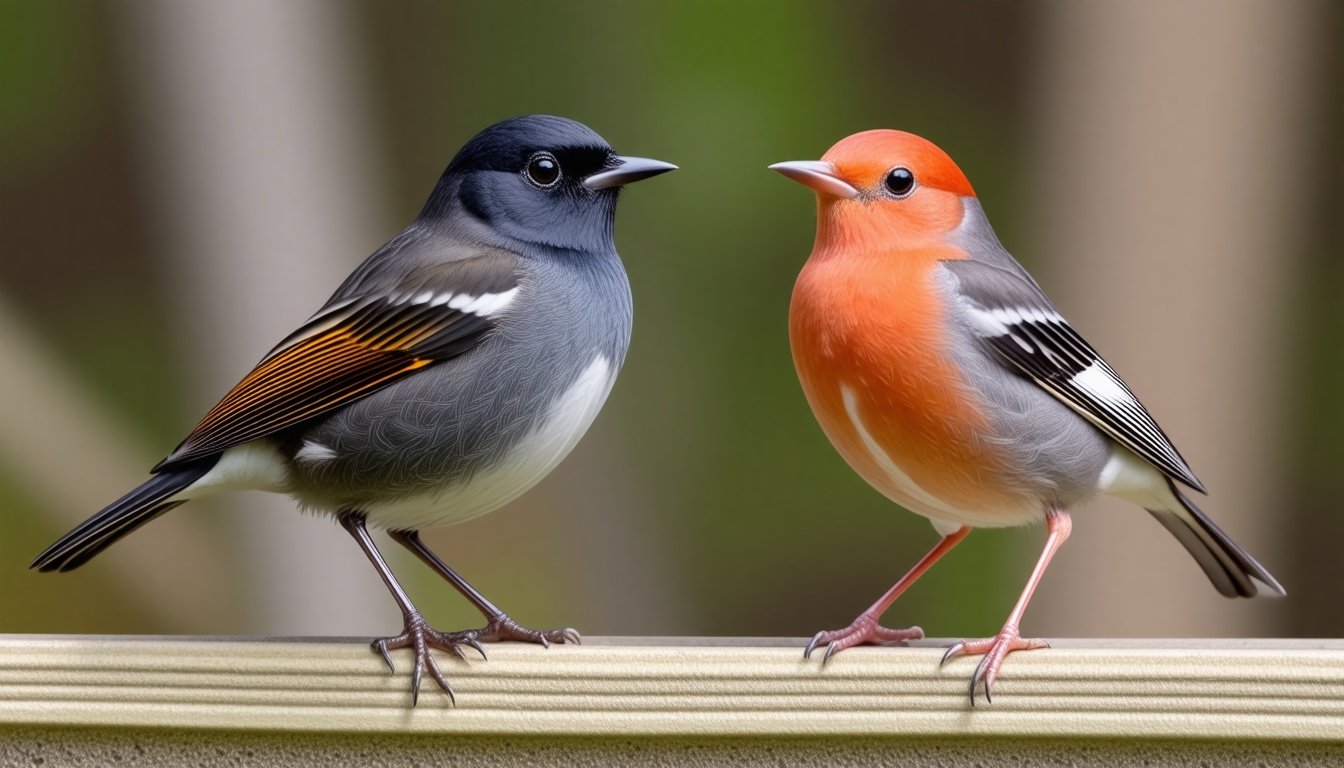
Have you ever stood by your window, coffee in hand, and just watched a little bird hop around in your backyard? Maybe it fluttered from branch to branch, or daringly landed on that strange contraption you hung up the other day. And suddenly, your yard feels alive in a way it never did before. Those tiny, feathered visitors bring a kind of subtle joy that sneaks into your day and leaves you grinning. If you have a patch of green in Florida and a curiosity about the world just outside your door, then birdwatching might be exactly the thing you never knew you needed.
Florida backyard birds are full of personality. They are colorful, chatty, and sometimes downright goofy. Getting to know them is like meeting old friends who show up when you least expect it but brighten everything. Plus, setting up DIY bird feeders to attract them? That’s half the fun—a little craft project that turns your yard into a mini wildlife show. So, if you want to add some life and laughter to your backyard, keep reading. This guide will walk you through what birds you might see, how to attract them, and a few easy ways to build your own bird feeder.
Meet Your New Feathered Neighbors
Florida’s backyard birds are a vibrant mix of year-round residents and seasonal visitors. Some stick around no matter what, while others come through on their way to warmer or cooler places. You do not need fancy binoculars or a guidebook to spot them; just patience and a little curiosity will get you far.
Cardinals: The Bold Red Flash
If a bright red bird is what catches your eye first, then you probably just spotted a northern cardinal. The males are flashy, all crimson with that cool pointy crest on their heads. Females are more subtle—soft brown with just a hint of red on the wings and tail. Cardinals are loud and proud, often singing to claim their territory. They love sunflower seeds, so if you hang a feeder stocked with those, you might find them dropping by often.
Blue Jays: The Backyard Show-offs
Blue jays look like a tiny sky-blue warrior with a black necklace. They are smart and loud, known for their raucous calls and clever ways to steal food from other birds. You might not always want to share, but their flashy feathers and entertaining antics make them a backyard favorite. They like peanuts and corn, so adding those to your feeder menu is a good idea.
Mourning Doves: The Gentle Visitors
These soft gray birds with a hint of pink are like the gentle souls of your backyard. They coo quietly and tend to hang around on the ground, picking up scattered seeds. Mourning doves are humble but beautiful in their simplicity. If you have some fallen seed on the ground or a platform feeder, you might make their day.
Carolina Wrens: The Tiny Powerhouses
Small but fierce, Carolina wrens have a loud, cheery song that fills the air. They are rusty brown with a distinctive white stripe over their eyes. These birds are curious and bold, often seen flitting through bushes and hopping along branches. They love suet and mealworms, so those are great treats to think about for your feeder.
Mockingbirds: The Backyard Singers
Mockingbirds are the songbirds of your yard, known for their ability to mimic other birds’ calls. They have gray feathers and white patches on their wings that flash when they fly. They are territorial and sometimes bossy, but their musical talent is worth it. They enjoy fruit, berries, and insects, so planting shrubs with berries or leaving some fruit out will invite them to stay awhile.
Woodpeckers: The Backyard Drummers
Florida has several woodpecker species, like the red-bellied woodpecker, who proudly tap on trees and even on metal poles. They have fascinating patterns and a really cool way of hunting for bugs beneath bark. If you have dead trees or stumps nearby, they might just put on a show. They also like suet feeders — you might catch them pecking away on a homemade suet block you hang up.
Feeding Florida Birds: What to Offer
Feeding birds might sound as simple as tossing some crumbs outside, but it is a bit more than that if you want to keep your visitors happy and healthy. Different birds have different tastes. Pick foods that suit your feathered friends, and you will see more of them—and for longer visits.
- Sunflower Seeds: These are the all-star bird seed. Many species like cardinals, finches, and chickadees love them. Black-oil sunflower seeds are especially good because the thin shells are easier to crack.
- Peanuts: Whole or shelled peanuts appeal to jays, woodpeckers, and others. Just avoid salted or flavored nuts.
- Safflower Seeds: Some birds like cardinals enjoy these, and they tend to keep squirrels away, which is a nice bonus.
- Nyjer Seeds: Tiny and loved by goldfinches. These require special feeders with very small holes to keep seed from spilling everywhere.
- Suet: Fatty and high-energy, suet is a hit with woodpeckers, wrens, and other insect-eaters. You can buy ready-made suet cakes or make your own (more on that later).
- Dried Mealworms: Protein-packed snacks for wrens, bluebirds, and more. If you want lively, curious birds, these are a good bait.
- Fruit: Plant berry bushes or leave out chopped apples, oranges, or grapes for mockingbirds and orioles.
Here is a tip: Always keep a clean feeder! Birds can catch diseases if you do not clean regularly, so a little scrub every week works wonders.
DIY Bird Feeders: Simple, Fun, and Effective
If you like the idea of making stuff with your hands—and who does not?—building your own bird feeder is a fun project. It does not have to be fancy or expensive. In fact, some of the best feeders come from things you probably have sitting around the house.
The Classic Pinecone Feeder
This one could not be easier. Find a pinecone (or grab a big burr or seed pod if you want to be fancy). Smear it with peanut butter or suet and then roll it in birdseed. Hang it from a tree branch with a piece of string or twine. Birds love it, and it looks pretty hanging there with its seed-covered bumps.
Plastic Bottle Feeder
Recycling at its best! Take a clean plastic bottle, poke a few small holes near the base, and insert wooden spoons or sticks through the holes so birds can perch. Fill the bottle with sunflower seeds and hang it up. It is simple, keeps the seeds dry, and makes for easy refills.
Orange Cup Feeder
Cut an orange in half and scoop out the fruit (save to eat later—snack time!). Take a piece of string, poke a few holes in the peel, and hang the halves up. Fill with seeds, berries, or suet. The citrus smell can help keep pests away too.
Suet Cakes: DIY Energy Bars
Suet blocks are easy to make and attract woodpeckers, chickadees, and more. Melt some beef suet or lard in a pot, mix in birdseed, chopped nuts, dried fruits, and mealworms if you have them. Pour into containers like small loaf pans or muffin tins. Once hard, pop it out and hang in a mesh bag or tie with string.
When Will You See Birds?
Birds have their own schedules, but there are some general times when your backyard is likely to be a busy bird caffe. Early morning is prime time—sunrise to mid-morning. Birds start their day hungry and energetic, flitting from tree to feeder in search of breakfast.
Late afternoon can also be lively before they settle down for the night. If you want to catch the action, grab a cup of tea and sit quietly by your window during these times. Moving slowly and avoiding loud noises is key. Birds are shy but curious.
Other Tips to Attract Birds to Your Florida Backyard
- Plant Native Shrubs and Trees: Birds love natural cover and places to nest. Florida natives like wax myrtle, beautyberry, and live oaks provide food and shelter.
- Provide Fresh Water: A shallow birdbath or even a simple plate with water can bring birds in for a drink and bath.
- Keep Cats Indoors: Cats are great snuggly pets, but they are hunters. If you want to protect your backyard birds, keep kitty inside or supervised.
- Offer Shelter: Brush piles, nesting boxes, or clipped shrubs give birds safe spaces to hide and grow families.
And remember—every bird you see is a little sign of life that survived another day, another storm, another hot Florida afternoon. Their songs and visits bring a sense of calm and wonder that money cannot buy. You do not need to be a scientist or have fancy equipment. With a bit of patience, a sprinkle of seed, and a touch of kindness, your backyard can become a happy home for the birds—and a delightful spot for you.
So, next time you glance outside and spot a flash of red or a bold blue, smile. You just made a connection with nature that is quietly awesome.