
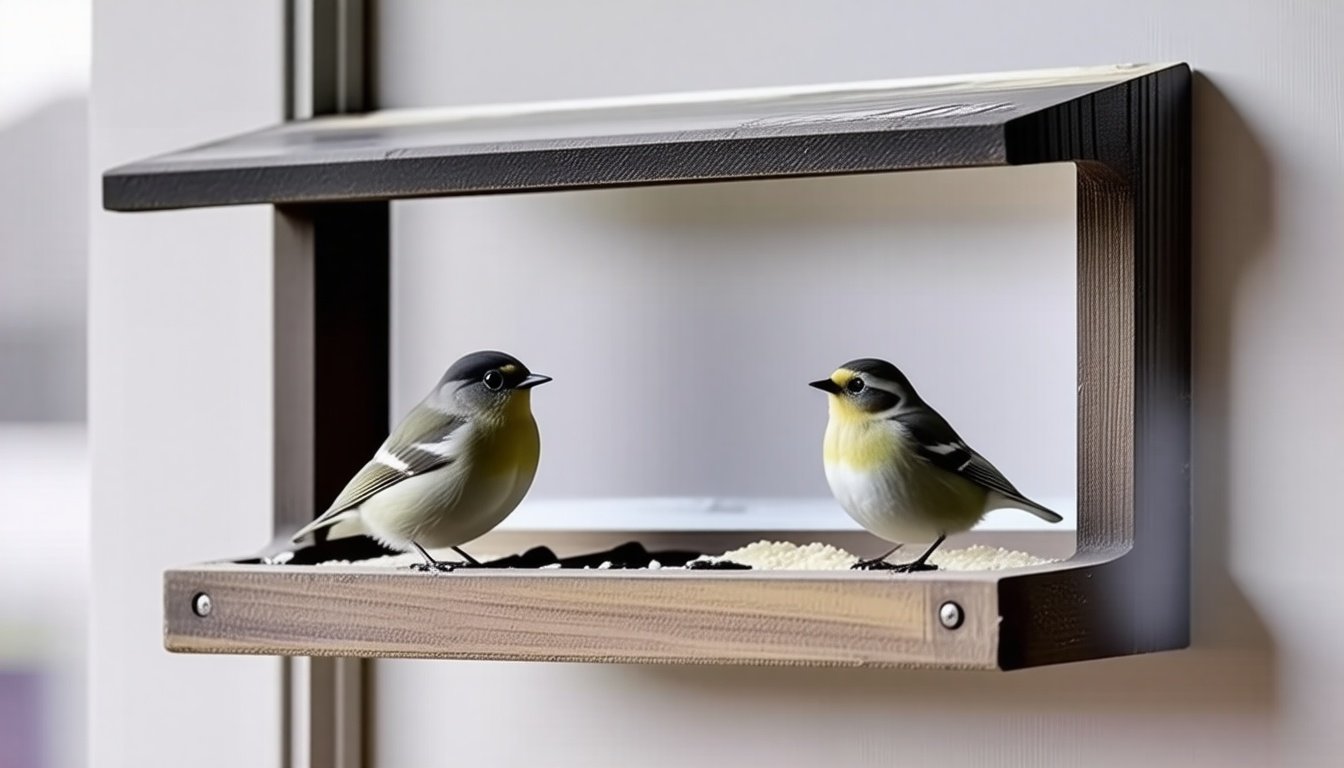
There is something quietly magical about watching birds right outside your window. Not the quick, darting flashes you catch when you rush outside, but the slow, peaceful moments spent sipping your coffee and seeing a little feathered guest perch nearby. Birds have this way of making the ordinary feel extraordinary, even if all you have is a small patch of sky and some twisted branches outside your pane. But what if you could invite them even closer—so close you could watch every twitch of their heads, every flutter of their wings, without leaving the comfort of your cozy nook? I decided to craft a window feeder, and it changed my mornings in ways I did not expect.
It was one lazy Saturday morning when I realized that my birdwatching was mostly about luck. I would get the binoculars, press my face to the cold glass, and hope some curious sparrow might show up. Sometimes they did. Most times, not. Then it hit me—why not bring the birds to me? While it sounds simple, creating a window feeder that really works is kind of a delicate art. You want the birds to feel safe, you want the view to be crystal clear, and you want to avoid having seeds spilled all over your windowsill (trust me, that gets messy fast).
Over the next few weeks, I played scientist, artist, and occasionally, a clumsy builder. I will tell you everything I learned—the good, the ugly, and the moments when I just sat back and smiled because a tiny chickadee had chosen my feeder as its new hangout.
Why Make a Window Feeder?
Maybe you are wondering why bother with a window feeder at all? Can you not just use a regular bird feeder in your yard? Sure, you can. But a window feeder turns birdwatching into a front-row seat, no matter the weather or how many layers you are wearing. You can sip tea and see birds up close. You can sketch them, read about them, or just stare when life feels too noisy.
Plus, a window feeder makes it easier to spot shy or smaller birds that might avoid bigger feeders out in the open. It is a little like having a secret bird café just for you.
What You Will Need to Build Your Window Feeder
Before diving into the “how,” gather your materials. The good news is, this project is super doable with basic stuff you might already have or can get cheaply.
- Suction cups: Get strong, thick ones that can hold weight without sliding down the glass.
- Plastic container: A small, shallow plastic tray or container with a flat back works best. Think of those takeaway food boxes or small plastic tubs. You want enough space to hold seed and for birds to perch.
- Birdseed: Black oil sunflower seeds are a favorite of many birds. Or mix it up with millet or cracked corn depending on your bird visitors.
- Small screws or zip ties: For attaching suction cups to the container if they do not stick directly.
- Optional: perches: Small twigs, wooden dowels, or even popsicle sticks to give birds a place to sit.
- Sticky tape or waterproof glue: If you want extra security for your parts.
Step One: Pick the Perfect Spot
This is part science, part art, and 100 percent personal. The birds need to be able to reach the feeder easily, so a window near trees or shrubs is ideal. Those places give them cover and feeling safe while they peck and snack. It is also better when the sun shines on it in the morning or late afternoon. Bright light means better viewing for you and might keep moss or mold at bay on the feeder.
Find a window that you spend a lot of time near. Maybe your kitchen, your reading corner, or that cozy spot where you daydream about a quiet life with lots of coffee. The idea is to have easy access so you can enjoy the birds without going outside every time.
Step Two: Assemble Your Feeder
This is where the fun begins. I like to say that making a window feeder is part building and part crafting.
- Attach the suction cups: If your container has a smooth, flat back, press the suction cups onto it firmly. Sometimes suction cups do not stick well to plastic, so you might need to use a bit of tape or some waterproof glue around the edges.
- Add perches: Birds love to have a little landing strip. You can tape on a small stick along the edge of the container or use zip ties to secure a wooden dowel under the lip.
- Testing: Gently press the feeder against your window where you plan to hang it. Make sure it is level and solid. You do not want it to wiggle or fall when a bird lands.
Pro tip: Sometimes suction cups lose their stickiness. Running them under warm water and drying thoroughly before affixing helps bring them back to life.
Step Three: Fill It Up and Wait
Now the simple, yet endlessly satisfying part. Fill your feeder with fresh birdseed. Not too much. You are not feeding an army here. Just enough to see a few birds come by and enjoy.
Then, step back, sit down near the window, and watch. This is where patience pays off. Birds might be shy at first, especially if they are not used to window feeders. It helped me to be quiet and still, and maybe leave the feeder full and untouched for a while so they get comfortable.
Making It Work: What Took Me by Surprise
In all honesty, I thought building the feeder was the big challenge. Nah, the bigger challenge was dealing with window glare, avoiding squirrel raids, and cleaning up after my feathery guests.
At first, I got frustrated when I could not see the birds clearly because of reflections on the glass. The trick? Pull the curtains back so that the room behind you is a bit darker than outside. If the inside is brighter, your glass acts like a mirror and the birds stay invisible.
And squirrels. Oh, those clever little acrobats. If you have squirrels in your neighborhood, expect them to find your feeder though it is on a window. My solution was to place the feeder on windows that squirrels could not easily reach by jumping from trees or ledges. Also, small, shallow feeders like this tend to discourage squirrels since they prefer swingy, bigger setups.
As for the mess—seeds fall, bits of hulls scatter, and sometimes a little bird poop lands on your sill. I developed a routine of wiping down the window and the feeder every few days. Not glamorous, but part of the fun.
Different Types of Window Feeders You Might Want to Try
Once you get the basics down, it is tempting to branch out. Here are some fun feeder styles to think about if you want to experiment:
- Tray-style feeders: Wide plastic trays attached with suction cups. Great for ground-feeding birds like doves or sparrows.
- Tube feeders with suction cups: Slim seed tubes that hang vertically. Perfect for finches and chickadees.
- Platform feeders: Flat surfaces with small barriers to keep seeds in place. These let you watch birds peck and hop around.
- DIY seed bells: Hang hanging seed bells or suet blocks on a small hook near your window for woodpeckers and titmice.
How to Attract Different Birds to Your Window
Not all birds eat the same stuff, and the kind of seed you put out will send invitations to different guests. Here are some quick tips:
- Sunflower seeds: Loved by almost every backyard bird, from cardinals to finches.
- Nyjer (thistle) seeds: Tiny but valuable, great for goldfinches and siskins.
- Suet cakes: Offer extra energy, great for woodpeckers and nuthatches, especially in winter.
- Cracked corn: Popular with doves, sparrows, and even some jays.
Remember to keep water nearby. Birds get thirsty, and a birdbath close to your feeder can become a second favorite spot for them.
Enjoying Your Feathered Friends
There is a simple joy to seeing a little bird pause right outside your window. When I started this project, I thought it was all about the birds. Turns out, it became about me too—slowing down, watching nature, and feeling less alone on crazy days.
Sometimes a chickadee would look at me, tilt its head, and just hang out like a tiny, curious visitor. I would smile, feeling like I was part of something bigger, quieter, softer.
So here is the heart of it: building a window feeder is not just about building a thing made of plastic and seed. It is about inviting nature into your everyday life in a gentle way that makes your space feel alive, warm, and a bit more wonderful.
Ready to see who shows up at your window? Grab those supplies, find your spot, and start building your new favorite birdwatching buddy. I promise, the birds will thank you, and your mornings will never be the same.