
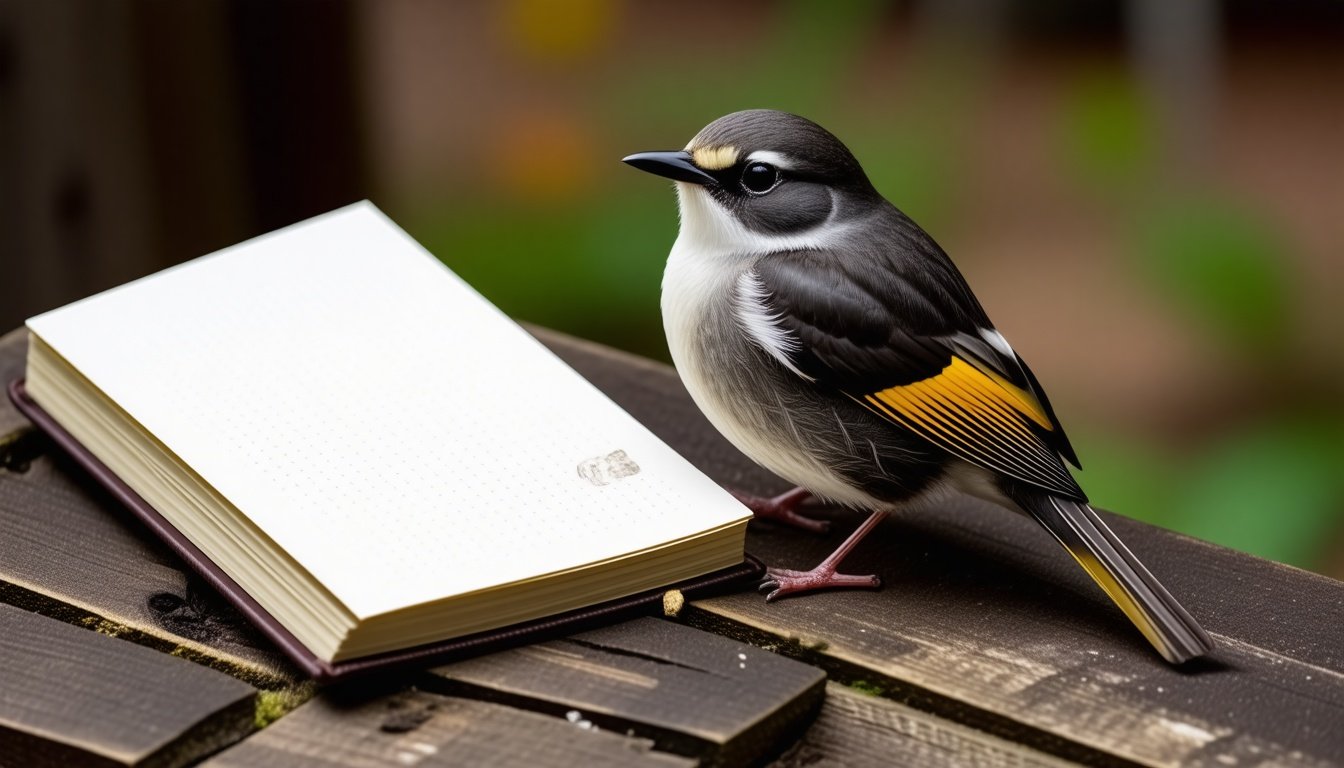
There is something oddly comforting about sitting on your porch or leaning against the kitchen window, quietly watching birds flit around the yard. You might think it is just a way to kill time, but it quickly becomes something more—a little slice of daily life that feels like magic, even if it is just a tiny sparrow or a flamboyant cardinal. A few months ago, I caught myself wanting to hold on to those little moments, those quick flashes of wings and beaks, and that is when I started keeping a birdwatching journal.
At first, I thought, “Why bother writing down what I see? Should I just watch and enjoy?” But writing turned out to be a secret door. It makes the watching sharper, the memory clearer, and the whole experience richer. And soon, the journal became more than a notebook. It became a friend, a place where the small details of life got to live and breathe.
Why Start a Birdwatching Journal?
Birdwatching, at its core, is about noticing. Noticing colors, sounds, sizes, and movements. But memory is tricky. I would see a flash of blue, maybe hear a gentle chirp, and then a moment later, it was gone, floating away like a dream. Writing it down helped catch those fleeting pieces before they disappeared entirely.
Also, it gave a reason to slow down. Our lives run fast, with nonstop noise and endless lists. Sitting down with a pen and empty page felt like hitting pause. It made me notice things I usually missed. Like how a robin fluffs its feathers before it takes off or the way the light hits the leaves when a woodpecker lands.
And it was fun. Seriously. It is like collecting little stories instead of just counting birds. Who knew a journal could make watching backyard birds feel like a treasure hunt?
More Than Just Bird Names
When I first started, I thought my journal would just be a list of birds. Blue jay, cardinal, house sparrow. Check, check, check. But then I realized it was about more than names. It was about stories, feelings, and moments. Sometimes I write down the colors I see, or the way the wind shifts the branches where the birds sit. Sometimes I sketch a quick picture—nothing fancy, just a rough shape to remind me of that bird’s awkward beauty.
Sometimes, I will write what the birds seem to be doing. Are they happy? Anxious? Curious? It is silly but giving them feelings helps me connect to the world outside my window in a way that feels almost personal.
What Do I Write Down?
Well, I keep it simple. Birdwatching does not need to be complicated to be meaningful. Here is what I usually jot down:
- Bird Species: The name, if I know it. If not, I make a guess or describe it. “Small brown bird with a stripe over the eye.”
- Date and Time: I find it fun to watch how bird visitors change through the day or the seasons.
- Location: Which feeder or tree they visited. Sometimes the backyard feels like a noisy little airport with different birds arriving and leaving.
- Behavior: What are they up to? Pecking seeds? Singing loudly? Hopping nervously?
- Weather and Surroundings: Sometimes the sky is bright blue, other times it is grey and rainy. I like writing down if the wind is strong or if the trees are full of leaves or bare.
- Personal Thoughts: This is the juicy part. Maybe a feeling I had or a question that popped into my head. “Why do birds sing at dawn? Does it make them happy?”
- Sketches or Quick Drawings: Nothing professional here. Just little shapes or notes to remind me of colors or patterns.
Writing all this down makes me feel like a detective uncovering the secret lives of my feathered visitors.
The Unexpected Joy of Patience
Let me say this straight: birdwatching itself demands patience, but keeping a journal adds a whole new layer to it. You suddenly want to stay still, wait a little longer, watch closely. There is a kind of quiet thrill in waiting for just the right moment before you scribble it down.
Sometimes, a bird will dart away before I can get a good look, or the wind will rustle the leaves too loudly and scare everything off. Instead of getting annoyed, I just write down what I thought I saw or how the moment made me feel. It turns the waiting into part of the fun, the story itself.
How the Journal Changes the Way I See My Backyard
Before, I thought my backyard was just a patch of grass with a few trees and some feeders. Now, it feels like a tiny universe. A drama plays out every day with visitors from the winged world. Some days, there is a whole cast: a couple of sparrows, a squirrel (bonus visitor!), a pair of finches, and the occasional bold blue jay that steals the spotlight.
The journal makes me notice things I never cared about before. Like how the sunflower seeds seem to disappear faster when the squirrels are around or how a single red cardinal can light up a grey winter afternoon. These little moments become treasures. I look forward to them. And I crave more stories to write.
Birdwatching and Mood
Not going to lie, some days are really tough. Work piles up, the world feels heavy, and the news is gloomy. But then I peek out the window and there is a flash of feathers, a soft chirp, a head tilt on a tiny bird. It is a small thing, yes, but it reminds me life goes on. And it has its bright spots.
Journaling about it is a kind of therapy. Writing the scene down, reflecting on what I saw and how it felt, carries a weight off my chest. It helps me breathe a little easier. And before I know it, I am smiling again, feeling connected to something simple and pure.
Tips for Starting Your Own Birdwatching Journal
If you feel the itch to start one yourself, here are some things I learned along the way. Plus, some little tricks that make the journal even more enjoyable:
- Keep It Simple: You do not need fancy equipment or to write epic stories. Just grab a notebook and a pen. Even a few words a day help.
- Make It Yours: Fill your journal with what matters to you. Maybe you like drawing, or maybe you want to write poems or just short notes. No rules.
- Use It as a Reason to Watch: Make a habit out of it. Even five minutes in your yard or by a window counts.
- Don’t Stress About Identification: No need to be a bird expert. Descriptions, colors, and sounds count too. Sometimes guessing can be half the fun.
- Look for Patterns: Over time, you might notice when certain birds visit or what weather they prefer. That is part of the joy.
- Try Including DIY Feeder Notes: If you are into building your own feeders or birdhouses, jot down what works and what does not. Your backyard can be a bird paradise.
- Share If You Want: Sometimes sharing a story or a drawing with friends or online birdwatching groups makes everything feel even richer.
DIY Bird Feeder Ideas to Inspire Your Journal
One thing that makes my birdwatching extra rewarding is building simple feeders that attract different birds. Once you see the birds coming to a feeder you made, it feels like you have invited a special guest over for tea.
Some easy favorites I have tried include:
- Pine Cone Feeder: Smother a pine cone in peanut butter and roll it in birdseed. Hang it up and watch the tiny customers arrive.
- Orange Half Feeder: Cut an orange in half, scoop out some flesh, fill it with seeds, and hang it. The sweetness attracts unique birds, especially in colder months.
- Simple Platform Feeder: A shallow tray or an old baking pan on a stand. Easy to make and easy to clean.
Writing down which feeder attracts which birds and when adds another layer of excitement to the journal. It feels like having a little science experiment with wings.
What Keeping a Birdwatching Journal Has Taught Me
More than anything, it taught me to slow down and pay attention. To find joy in small things—a quick flutter, a soft whistle, a messy nest of twigs. The journal turned ordinary days into stories and quiet moments into memories.
It showed me that nature is not far away or complicated. It is right outside my window, waiting patiently for me to notice. And that the stories of birds are the stories of life, always changing, always surprising.
So, if you have a patch of green, a few seeds, and a bit of curiosity, try grabbing a notebook. Write what you see. Write what you feel. Let the birds and your words fly together.