
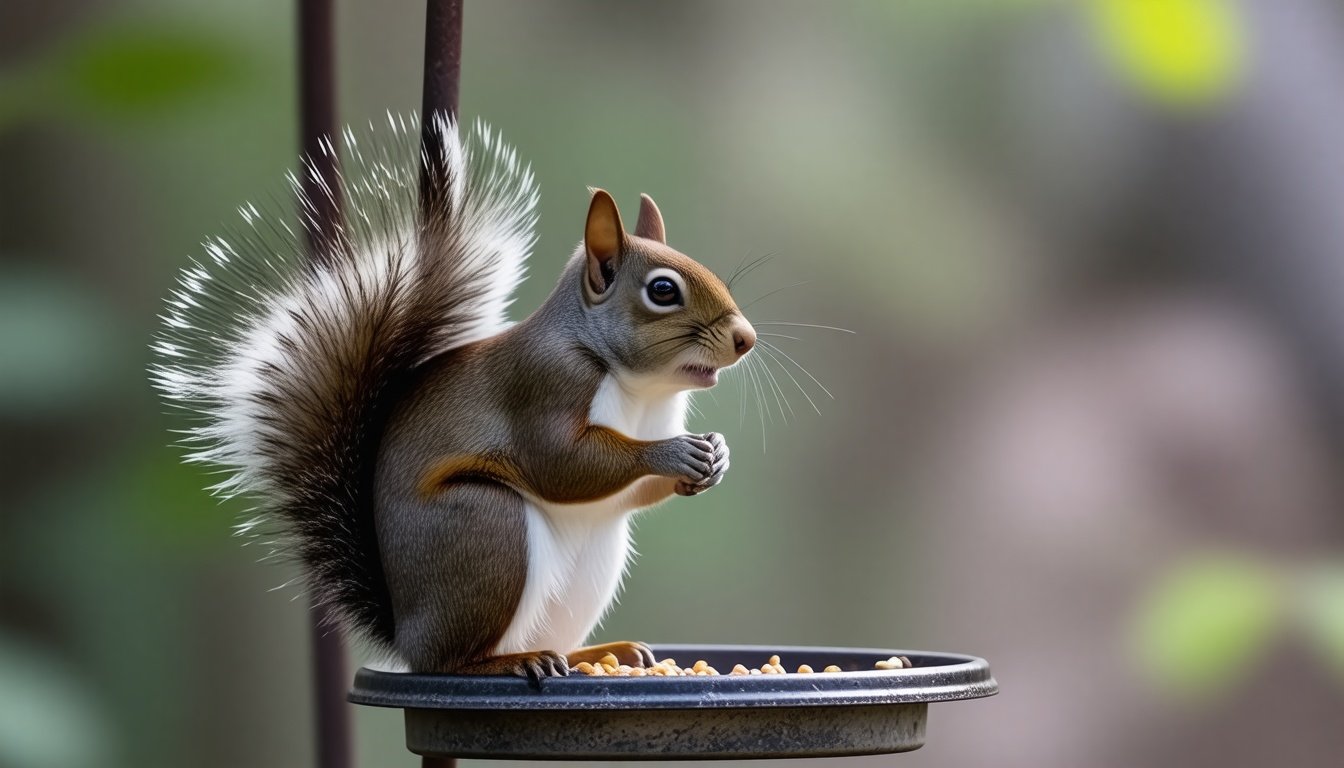
There is something magical about watching birds flit and flutter in your backyard. The colors, the sounds, the tiny dramas unfolding on your feeder—it can lift your spirits like nothing else. But then, along comes the squirrel. That little acrobat, that furry ninja, who treats your bird feeder like an all-you-can-eat buffet. If you have ever felt the bittersweet mix of joy and frustration watching a squirrel pilfer seed meant for delicate songbirds, you are not alone. I have learned a few tricks along the way to keep squirrels off my feeders without hurting them or turning my yard into some kind of squirrel war zone. And I am ready to share everything with you.
Why Keep Squirrels Away Without Harm?
Let us be honest. Squirrels are clever and persistent. They are also part of nature’s charm in our backyards, and I do not want to hurt them. I just want them to understand that the bird feeder is off-limits. Shooting, poisoning, or trapping does not sit right with me. Plus, those methods are messy, mean, and often backfire. Over time, I realized I needed gentle, smart ways to redirect their energy. My goal? To invite birds over without the squirrel circus taking center stage.
So here I am, trying to have a peaceful birdwatching spot where the birds get their seed, and the squirrels get… well, something else.
My Go-To Tricks to Keep Squirrels Away
I bet you are curious. What works? What is simple? What can you try without spending tons of money or transforming your backyard into a squirrel fortress? Below are the clever hacks I use. They might not be perfect, but they have saved my feeders—and my sanity.
1. Use a Squirrel-Proof Bird Feeder
This sounds obvious, but here is the thing: not all “squirrel-proof” feeders are actually squirrel-proof. The squirrels around here are basically little Houdinis. Still, I use feeders that come with weight-sensitive perches. When a squirrel climbs on, its weight causes the seed ports to shut tight. Then the squirrels drop off, baffled and hungry.
Some feeders also have cages around them to keep squirrels out but let birds in. The key is to find one sturdy enough and place it properly. I hang mine on thin metal poles—not wooden ones—because squirrels can climb wood like it is their personal jungle gym.
2. The Classic “Baffle” Trick
If you have a pole feeder, a baffle is your best friend. Imagine a smooth upside-down cone or dome mounted on the pole below your feeder. Squirrels try to climb up, but the baffle spins or blocks their path. You can buy these or DIY one from an old metal mixing bowl or plastic dome. It took me two tries to get the installation right, but trust me, once it is in place, squirrels give up faster than you can say “birdseed.”
3. Hang Feeders with Fishing Line
Here is a neat trick that feels almost sneaky but is totally harmless. I hang my feeders on thin fishing line attached to tree branches. It makes it hard for squirrels to get close because their jumps need a sturdy surface to latch onto. Plus, the fishing line is practically invisible. This method works best if your feeder is not too heavy and if you do not have many low branches nearby for squirrels to leap from.
4. Offer an Alternative Snack Bar for Squirrels
Squirrels are snack lovers, just like birds. One odd thing I learned? If you feed squirrels separately, away from bird feeders, they are less likely to raid the bird seed. I set up a small “squirrel station” with unsalted peanuts in the shell, corn, or sunflower seeds. The squirrels go nuts for it—literally—and they leave my bird feeders alone.
It felt counterintuitive at first. Why feed the little troublemakers at all? But it worked wonders. If squirrels have their own guaranteed food supply, they do not need to bully the birds.
Some Extra Tips That Seem Weird but Work Wonders
I love little surprises—tricks that seem too simple but actually do the trick.
5. Sprinkle Cayenne Pepper or Chili Powder
Here is one that initially made me chuckle. I sprinkle cayenne pepper or chili powder on the birdseed. The birds do not seem to mind because they cannot taste spicy flavors the way mammals do. Squirrels, on the other hand, hate it and stay away. Just be careful not to get it on your hands or in your eyes—it stings! Also, reapply after rain or heavy dew.
6. Clean Up Fallen Seed
Squirrels love to feast on the seed that drops on the ground under feeders. If you leave a mess, it is like putting out the welcome mat. I make it a habit to sweep up and collect the fallen bits. It is a pain, but it pays off because the squirrels stop hanging out below the feeders.
7. Move Feeders Regularly
Squirrels are smart. If they find a spot that works, they remember it. I try to move my feeders every week or so, changing the height or angle. This messes with the squirrel’s mental map and gives the birds a better chance to enjoy their food in peace.
8. Use Safflower Seeds
Birds like cardinals, chickadees, and doves adore safflower seeds. Squirrels absolutely do not. I switched my seed mix to include a lot of safflower, and the squirrels stopped visiting my feeders as much. It is like giving the birds their favorite meal and the squirrels a salad they refuse to eat.
Building Your Own Squirrel-Proof Feeder? Try These DIY Ideas
Feeling crafty? I love building or tweaking bird feeders to keep squirrels at bay. You don’t need fancy tools or a degree in engineering.
- Use PVC Pipe: Cut holes just big enough for birds to reach in for seeds but too small for squirrels to stuff their paws through. Paint it to blend with your garden.
- Add a Rotating Platform: Make a feeder that spins when a squirrel climbs on. You need a lazy Susan bearing or other spinning mechanism. The sudden movement throws squirrels off balance and sends them tumbling.
- Install a Cage Around Seed: Surround your feeder with a wire cage that keeps squirrels out but lets smaller birds slip inside. I used old wire mesh from the hardware store and bent it into a dome shape.
Trust me, you will feel proud watching the birds enjoy your handiwork while the squirrels look on, plotting their next move (which they will not get because you are outsmarting them).
What Not to Do: My Experience With Failed Attempts
Since I love sharing stories, here is some real talk: I tried some dumb ideas before getting this right.
- Hot Pepper Spray: I made a spray from hot peppers and water to spray on squirrels. It did not work. They simply avoided the sprayed feeder and found others nearby. Also, I felt bad worrying if I might hurt their eyes.
- Sticky Substances on Poles: Some websites suggest using sticky stuff on poles to trap squirrels’ paws. No thanks. It felt cruel and messy.
- Bagging Feeders: Putting feeders inside plastic bags or nets to stop squirrels also stopped the birds or scared them away.
The takeaway? Keep it simple and kind. The goal is peaceful coexistence, not war.
Patience and Perseverance: The Quiet Game
One last thing I discovered is that outsmarting squirrels is a game of patience. Sometimes, after you install a new trick, squirrels test it out for days. They get frustrated, retreat, then come back with new strategies. It is almost like a dance—where you learn the squirrel moves, and then you block them gracefully with your feeder setup.
But after a while, they get bored or take their antics elsewhere. Your bird feeders finally become a bird-only party.
And nothing feels better than sipping your morning coffee and hearing birds sing without the chatter and chaos of squirrels crashing the buffet.
Final Thoughts to Keep Your Birdwatching Joy Alive
At the end of the day, this is about creating a backyard where you can connect with nature without feeling like you are fighting a tiny furry invader. You want birds, not battles. You want moments of calm, not squirrel chaos.
The tricks I shared are all about respect—respect for the birds, for the squirrels, and for your own love of peaceful garden moments. Try mixing and matching these ideas. What works wonderfully in one yard might need tweaking in another. And sometimes, a little trial and error is all part of the fun.
So go ahead, set up those feeders, get your baffles ready, sprinkle a little spice, and maybe leave a peanut for those bushy-tailed acrobats elsewhere. Your backyard birdwatching adventure awaits—a little less squirrel, a lot more song.