
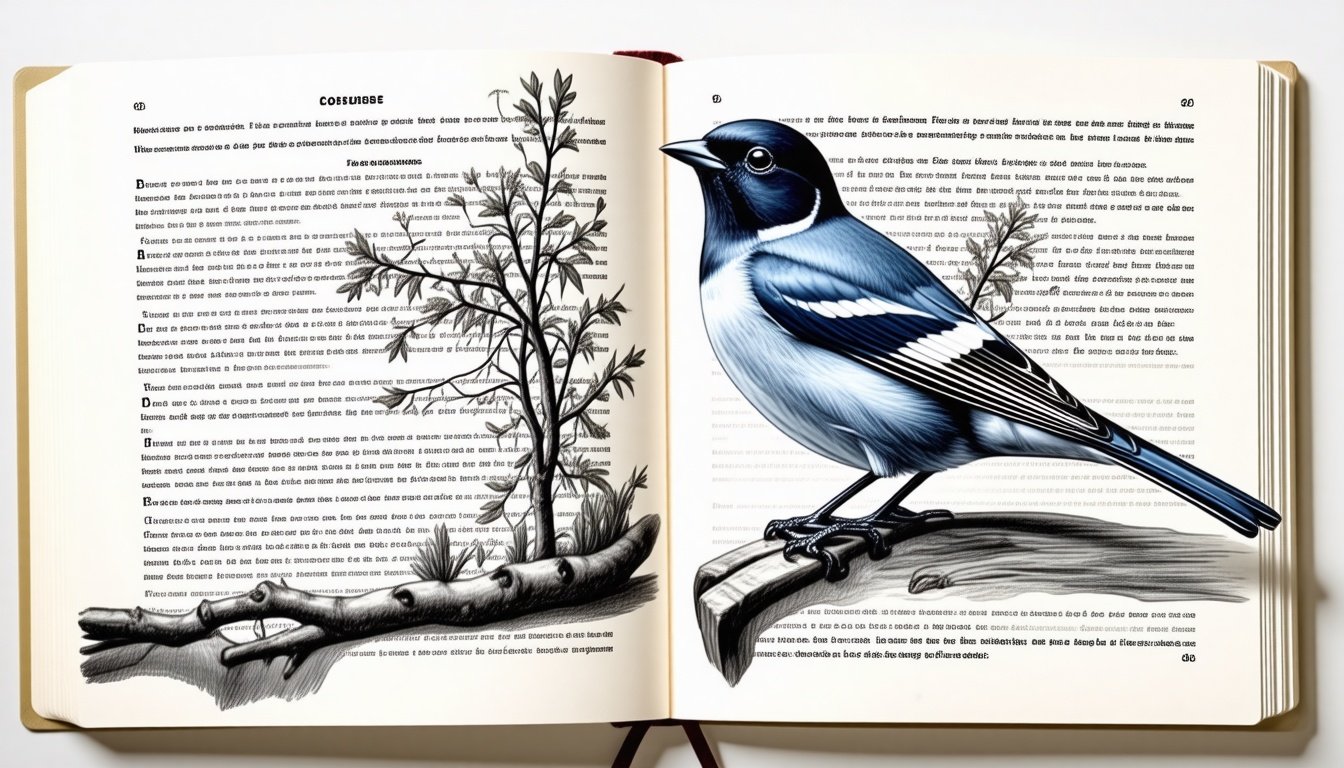
Have you ever found yourself staring out the window, watching a flash of feathers dart between trees, wondering what kind of bird just showed up? Maybe you know that it was a sparrow or a finch, but what if you wanted to remember that moment forever? Or better yet, what if you could track all the birds visiting your backyard and slowly become a backyard birdwatching pro? That is where a birdwatching journal comes in. And no, it does not have to be some fancy, complicated notebook with indecipherable codes or scientific jargon. It can be simple, fun, and even a little bit messy—just like birdwatching itself.
Starting a birdwatching journal might sound silly. After all, you are just watching birds in your own backyard, right? But writing down what you see, how you feel, and what you learn can turn birdwatching into a little adventure every day. Plus, it teaches patience, sharpens your observation skills, and makes you feel connected to something outside the usual noise of life. And if you are into making your own bird feeders (which, by the way, is a fantastic way to bring more feathered friends over), then a journal is like a secret weapon to see what food preferences your visitors have.
Why Keep a Birdwatching Journal?
Think about it. Have you ever noticed a cool bird, but by the time you want to tell someone or look it up, the details slip away? Keeping a journal fixes that. It helps you remember what you saw—the color of the feathers, the size, even the way the bird sang or moved.
Plus, a journal becomes a kind of storybook of your birdwatching journey. You notice patterns you never spotted before. Like how the cardinals show up right when you set out the sunflower seeds, or how the little chickadees seem to prefer your DIY peanut feeder. That kind of insight makes the whole backyard thing feel personal.
And there is something wonderful about looking back on your notes months or years down the line. You start to see changes in seasons, bird habits, and sometimes even the weather—all through the tiny, fluttering creatures that come to visit.
Getting Started: What You Need
No fancy gear required. All you really need is something to write in and something to write with. Easy, right? But here are some friendly suggestions to make the whole experience more fun and less of a chore.
- Notebook: Pick a notebook that feels good in your hands. It can be a plain spiral notebook, a small sketchbook, or even a pretty journal you found at a craft store. The key is that you want to actually want to use it.
- Pen or Pencil: Pencils erase, pens do not. Some people like to use colored pens or markers to add a bit of life to their notes. If you want to sketch birds, grab a pencil and a small eraser.
- Field Guide or Bird ID App: You don’t have to be an expert, but a guidebook or an app can help you figure out what birds are hanging out in your yard. It is okay to guess sometimes. That is part of the fun.
- Camera or Smartphone: Not mandatory, but snapping a quick photo can help when you want to remember details later.
- Comfortable Chair: Because birdwatching often means sitting still and watching patiently. Bonus points if it folds up and you can take it outside.
Setting Up Your Journal
Open that fresh notebook. Take a deep breath. This is your space—your backyard bird story. Here are simple steps to start your first entry:
1. Date and Weather
Start every entry by writing down the date. Sounds obvious, but it helps so much later. Next, jot down basic weather info. Is it sunny, cloudy, windy, or raining? Birds act differently depending on the weather, and writing that down leads to interesting patterns.
2. Location
Even if you are always in the same backyard, you might note this for habit or if you ever explore other places. You could even name spots like “the big oak tree” or “the bird feeder station.”
3. What You Saw
List the birds you saw or heard. Be honest if you are unsure about names. You could write “small brown bird with a streaky chest—maybe a sparrow?” Don’t stress accuracy. This is your journal, not a science test.
4. Details and Behavior
Here is where you get to be a little detective. How big was the bird compared to others? What noises did it make? Was it eating, flying, or just chilling on a branch? Did it interact with other birds? Write down whatever stands out.
5. Your Feelings
This part might seem odd, but it makes journaling special. Did seeing that bird make you happy, curious, or calm? Maybe it reminded you of a childhood memory or made you laugh. Jot it down.
6. Sketch or Photo Notes
If you want, draw a quick doodle or stick a printed photo later. It does not have to be the Mona Lisa—it can be a circle for a head and a squiggle for a tail. Your brain loves pictures.
Tips for Making Your Birdwatching Journal a Habit
Okay, keeping a journal sounds fun, but it also takes some commitment. No one wants to start something and then let it gather dust. Here are some easy ways to keep it alive.
- Set a Birdwatching Time: Maybe morning coffee or right before sunset. Making it part of your routine helps it feel natural.
- Keep Your Journal in Sight: Leave it somewhere handy—on the windowsill, kitchen table, or near your bird feeder.
- Keep It Light: If you miss a day or two, it is no big deal. Write a quick note or just jot down a favorite bird. It is supposed to be fun, not a chore.
- Celebrate Your Progress: Every month, look back at your entries. You might be surprised how much you have noticed and remembered.
- Mix It Up: Sometimes write a poem about a bird, paste in gathered feathers, or attach a leaf. Make it feel like a scrapbook of your backyard adventures.
A Few Journal Ideas to Spark Your Creativity
Not sure what to write? Here are a few themes and prompts to try:
- Bird of the Day: Pick one favorite and write everything you can about it.
- Seasonal Changes: How do bird visits change with the seasons? Is spring more lively? Who leaves in winter?
- Food Choices: Note which feeders attract which birds. Maybe the peanut butter feeder brings in woodpeckers. Maybe finches ignore the sunflower seeds for safflower.
- Bird Calls: Try to write down or mimic what you hear. Does a bird “cheep,” “whistle,” or “chatter?”
- Guest Visitors: When a new bird shows up, get curious. Where might it be from? What is it doing here?
- Weather and Mood: Notice how rain or sunshine changes the birds and how you feel seeing them.
Connecting Birdwatching to Your DIY Bird Feeders
If you love building your own bird feeders—high five! Nothing draws birds quite like homemade treats. Plus, watching your journal patterns can help you make adjustments that turn your backyard into a proper bird sanctuary.
Say you notice a certain songbird only comes when you hang that peanut feeder. That little nugget of info inspires you to try making different feeders or even mix up recipes for bird food. Your journal becomes a guidebook to what works, and what does not, for your feathered friends.
And if you get a bit crafty, you can add photos or step-by-step notes about the feeder. Watching the birds enjoy your handiwork adds a whole extra layer of warmth and satisfaction to the hobby.
Some Handy Extras
- Binoculars: If you want to see bigger details, a simple pair makes a difference.
- Guidebook Sticker or Stamps: Reward yourself with tiny stickers for each new bird identified or milestone reached.
- Voice Recorder: Great for capturing bird sounds and playing them back to match with your notes.
- Printable Checklists: Some folks like ticking boxes to keep track. You can print or create your own lists in the journal.
Remember: The Journal Is Your Story
Maybe a month from now, you will have pages filled with scribbles, sketches, and little stories about that bright blue jay that made your heart jump. Maybe you will have logged the shy wood thrush that only visits after sunset. Or maybe your journal will be a mess of chicken scratch notes, half-drawn birds, and smudged ink spots. And that is perfect.
Because what counts is the feeling you get from watching birds. The surprise. The calm. The tiny thrill when you spot something new or hear a song you recognize. Your journal is not about being perfect. It is about caring enough to pay attention, to slow down, and to find a little magic every day right outside your window.
So grab that notebook. Put on your comfiest chair. Make yourself a cup of something warm. Open your backyard to the birds—and let your journal catch their stories.