
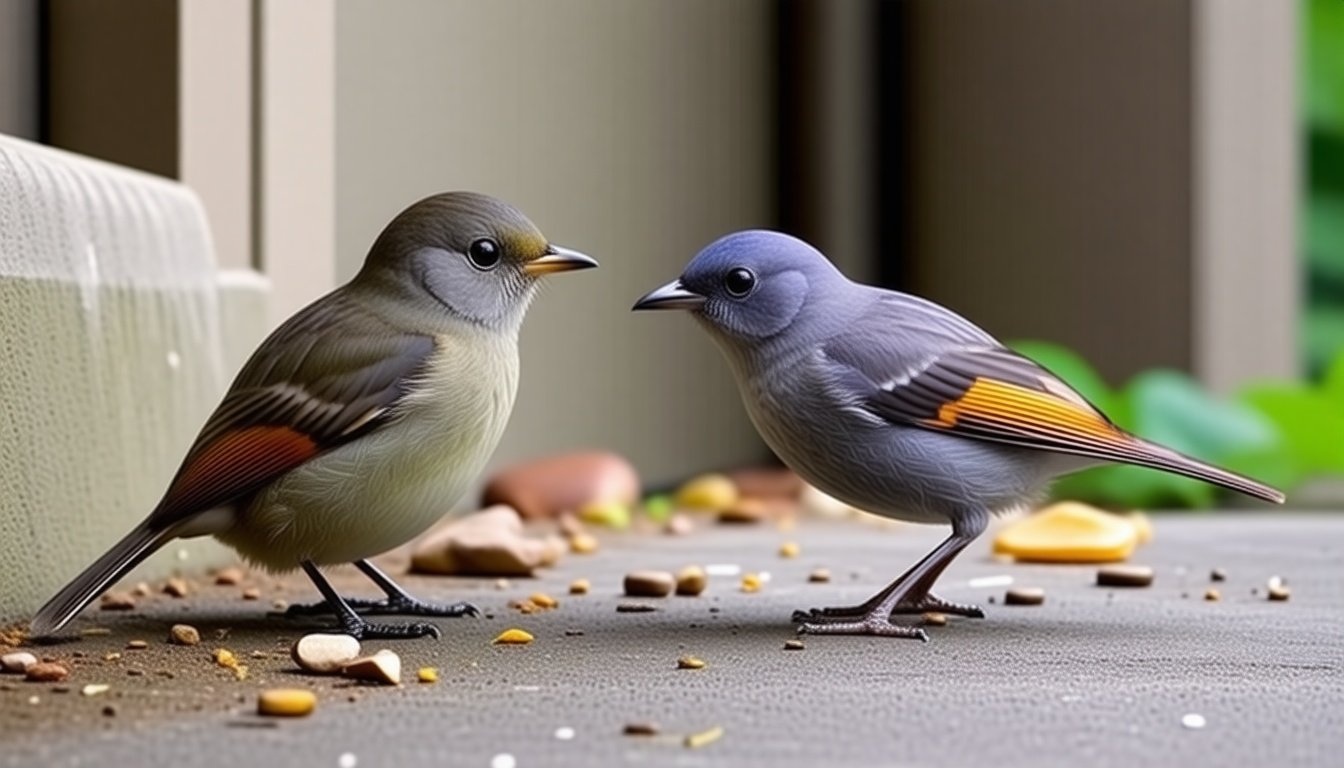
There is something almost magical about watching birds wander into your backyard, fluttering from one feeder to another like tiny, feathered guests at a perfectly set table. But what happens when those peaceful moments are suddenly crashed by a sneaky predator? Suddenly, your birdwatching haven feels less like a sanctuary and more like a wildlife battlefield. It can be heartbreaking to see your feathered friends jump away in panic, or worse, not show up at all because they learned this was a risky spot.
Creating a feeding station far away from predators is not just about putting out seed anymore. It is about crafting a safe space, a little haven that feels like a bird’s own comfy café without the threat of a lurking danger. And guess what? You do not have to be some wildlife expert or master carpenter to do it. With a bit of patience, some creativity, and a few simple tricks, your backyard can become the safest place for your avian visitors. Ready to make your bird feeder the envy of the neighborhood? Let us walk through the who, what, and how of setting up a feeding station where the only swooping action is the birds themselves.
Why Safety Matters More Than You Think
Maybe you did not think about the fact that a pretty bird feeder is also a powerful target. The shiny seeds, the easy pickings, the perfect perch — these attract not only cardinals and finches but also cats, raccoons, squirrels, and even hawks. For birds, your backyard can feel like a minefield. If their visits come with a side of fear, they might just decide that your garden is not worth the trouble.
Think about it. How would you feel if every time you went to grab a snack, someone was waiting to pounce? You would probably stop going there too. Birds have that same instinct. But when the feeding station is safe, it becomes a trusted spot where they can chow down without worrying about their tail feathers.
Enemies at the Window
- House Cats: Sneaky, silent, and often underestimated. They can stay still for ages, waiting for the perfect moment.
- Squirrels: Master thieves, sure, but also aggressive toward birds and can scare them off.
- Hawks and other Raptors: The aerial predators who use surprise and speed to catch birds unaware.
- Raccoons: They are clever and strong, often coming at night to raid feeders.
Knowing who you are protecting your birds from helps a lot. It is like playing defense in a game where the birds are your team and predators are the opposing players. You want to build a fortress, not just a pretty bench.
Location, Location, Location
Where you set up matters more than you might think. Birds are picky, but they are also smart. They watch, they wait, and they judge if you are offering something worth the risk. That is why placing your feeding station in a spot that offers natural cover but also quick escape routes is key.
A good feeding station:
- Has some bushes or trees nearby for birds to hide but not too close so predators cannot surprise them.
- Is away from windows, glass doors, or reflective surfaces where birds might crash trying to escape.
- Is high enough to make it tough for cats and raccoons to reach but still visible so you can enjoy your birdwatching.
For example, placing feeders near evergreens works well since these dense trees offer shelter year-round, but keep them about 10 feet away from places where jumping predators can leap. You want birds to feel the cozy protection of branches without being trapped.
Think Like a Bird
Imagine you are a small songbird stepping cautiously toward a new feeder. Are you going into an open field with nowhere to hide? Or are you landing on a branch that leads to cover in two seconds? Birds prefer routes where they can dash to safety if needed. So, setting up your feeding spot near a hedge, tall shrub, or thick tree branch can make all the difference.
Designing Your Feeder to Foil Predators
A fancy feeder does not help if it is an easy meal trap. You want something bird-friendly and predator-unfriendly, which sounds tricky but is totally doable with a few smart ideas.
Keep it High and Narrow
Elevate your feeder at least five feet off the ground. This height deters many ground predators like cats and raccoons. Use poles with smooth, slippery surfaces or install baffles — those round guards that prevent animals from climbing up. Metal poles are a good bet because squirrels struggle to grip them.
Spacing is Everything
Predators thrive when they can get close quickly. Position feeders far enough from trees or fences where a cat or squirrel can jump over to attack. Six to ten feet is a good rule. You want your birds to have a buffer zone. Think of it as giving them their personal space bubble.
Multiple Feeders Work Wonders
Instead of one big feeder, set up several smaller feeders spaced out across your yard. This way, if a predator comes near one station, the birds have alternatives to flee to. It lowers the chances all your feeders go empty at the first sign of danger.
Selective Feeders
Some feeders are built with predator-proof features like weight-sensitive perches that close the seed ports when something heavy like a squirrel tries to land. These can be a little pricier but worth it if squirrels are your main problem.
DIY Fixes: Simple Projects That Save Bird Lives
You do not have to spend a fortune buying fancy gadgets. Some homemade solutions can do the trick and add a bit of charm to your backyard too.
Bounce-Off Baffles
Grab a big, round piece of metal or plastic (like a cake pan or an upside-down umbrella). Attach it around your feeder pole about halfway up. The shape should make it impossible for animals to climb over. If you want to get crafty, paint it a bright color or decorate it with wildlife-safe paint. Bonus points for style points!
Birdhouses as Safe Havens
If your yard is quiet, consider adding a birdhouse or two near feeders. These can offer a quick refuge if things get scary. Just make sure the birdhouses face away from feeders to avoid drawing predators close.
Sticky Tape on Poles
Not the funnest project, but wrapping poles with double-sided sticky tape can foil squirrels and cats trying to climb. Just make sure to replace it regularly as it gets dirty.
Wind Chimes and Noise Makers
Sometimes, a little noise and movement scattered around your feeding area can deter sneaky predators. Strategically placed wind chimes or homemade noise makers might keep your birds safer, though they must not scare the birds away. Test it out and see how the visitors react.
It Is Not All About Protection: What Birds Really Need
Safety is great, but birds also want comfort and a bit of fun. Think about:
- Providing fresh water nearby — a shallow birdbath is perfect.
- Offering a mix of seeds and suet to attract different species and keep them interested.
- Keeping your feeders clean to avoid disease.
When your birds eat happily without fear, they bring life and joy to your backyard and your heart.
What to Watch For After Setting Up
Once your feeding station is up and running, take a few days to watch how the birds use it. Do they hesitate? Are they darting away quickly? Spot any predators lurking? You might need to tweak the setup — move a feeder a few feet, add another bush, or reposition a baffle.
Patience is part of the game. Sometimes birds need a few visits to realize this feeder is safe. Keep at it. The payoff is worth every second.
Remember, This Is a Living Project
Your backyard is alive with change. Trees grow, bushes fill in, animals show up, or move on. What works today might need adjusting tomorrow. The best feeding stations are the ones you visit with curiosity and a sense of care. It is not just a setup. It is a conversation between you and the wild neighbors you cherish.
So get out there, build your safe bird buffet, and enjoy the show. It is one of the simplest joys that can turn any ordinary afternoon into a moment of wonder.