
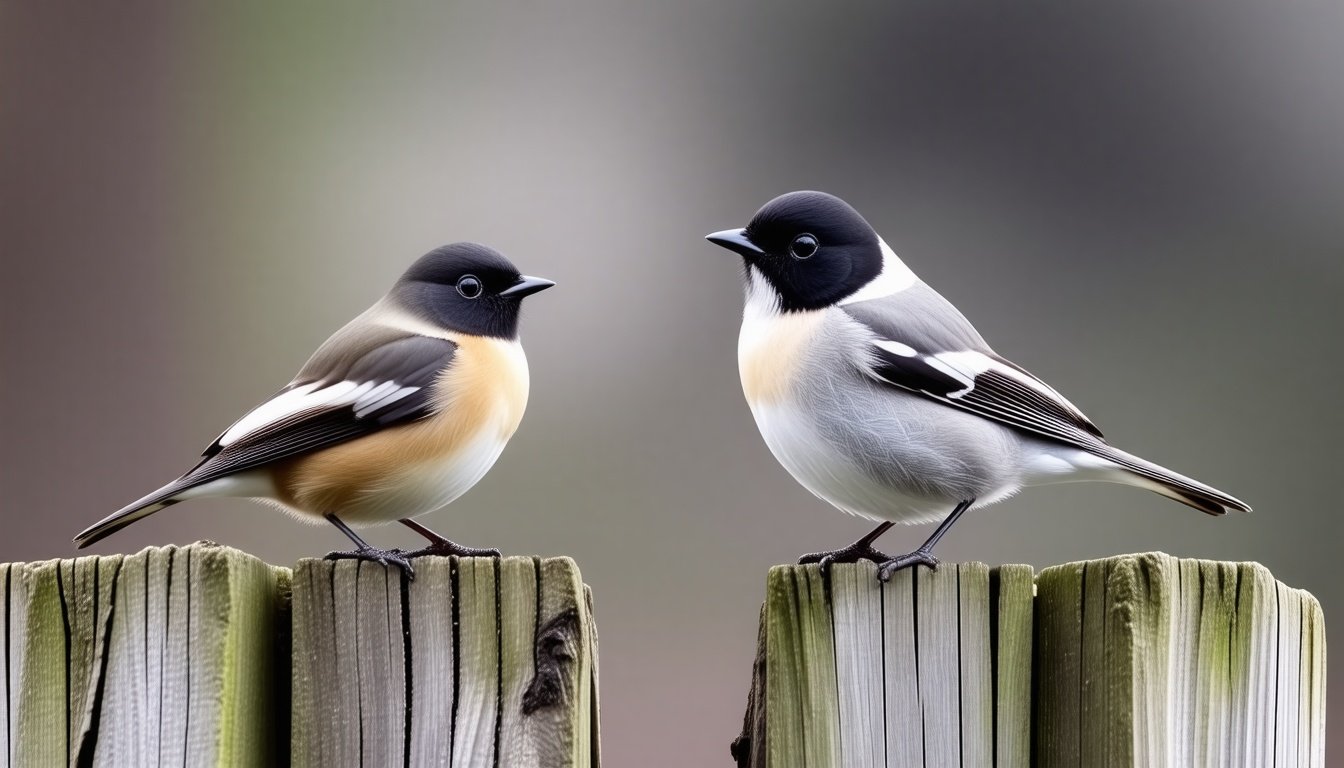
Alaska is a place that makes you feel small in the best way possible. Endless skies, mountains that stretch forever, and winters that wrap the world in snow and silence. But if you think this remote wilderness means no cool animals popping by your backyard, think again. Backyard birdwatching in Alaska is like having front-row seats to a hardy, feathered concert where the performers truly defy the odds.
These birds are tough. They brave some of the coldest, toughest conditions imaginable. Watching them up close, especially during the long months when the snow piles up and the wind howls, is kind of like witnessing tiny miracles who’ve mastered survival. If you want to turn your backyard into a cozy bird hangout, Alaska’s wild visitors will make it worth your while.
Why Backyard Birds in Alaska Are Special
Birds found in Alaska’s backyards are not your everyday chirpers. They live in one of the most challenging climates on Earth, surviving freezing temperatures, deep snow, and a landscape that changes fast with the seasons. Their resilience makes them characters you cannot help but root for.
Plus, these birds show up with plenty of personality. Some look like little puffballs of energy. Others bring splashy color or funny calls that make you laugh out loud. Unlike some places where birdwatching can feel like a silent waiting game, Alaska’s backyard birds have stories to tell—and they are not shy about it.
Meet the Hardy Visitors You Will Love
Black-capped Chickadee
This tiny ball of fluff is a superstar among Alaska’s backyard birds. At just a few inches long, chickadees have big attitudes and even bigger curiosity. They are fearless, often fluttering so close you feel like you could reach out and touch them. And their call? A clear, cheerful “chick-a-dee-dee-dee” that seems to bounce off the trees.
What makes them extra special is their smarts. Chickadees remember where they stash their food and can survive temperatures well below zero. If you want to lure them in, sunflower seeds or peanut butter smeared on a pinecone will make them swoon.
Willow Ptarmigan
Okay, this bird is a little more of a forest secret and might not pop by every backyard, but it deserves a shout-out. Willow ptarmigans look like snow ghosts in winter with their pure white feathers blending right into the snow. In summer, they sport rust-brown tones that could fool you if you aren’t paying attention.
They do best in shrubby areas and can brave the harshest weather. Spotting one is like catching a glimpse of Alaskan spirit itself—tough, quietly beautiful, and connected deeply to the land.
Northern Flicker
Imagine a woodpecker that also loves to hop around on the ground, searching for ants. That is the northern flicker. You probably will hear their loud, rhythmic drumming on trees before you see one, or maybe their laughing call that sounds like bursts of energy. These birds have a dash of golden-yellow under their wings that flashes when they take flight.
Northern flickers do not just survive here—they thrive. They will visit bird feeders packed with suet or peanuts, making them some of the most entertaining guests you can get.
Redpoll
Sometimes, a small bird with a tiny red cap makes the difference between a boring winter and a lively one. Enter the redpoll. These birds are finch relatives and bundle up by fluffing their feathers to stay warm. They love thistle seeds, which you can easily offer with a simple DIY feeder made from a mesh produce bag or a pinecone coated with peanut butter and seeds.
Watching a flock of redpolls flit and chatter is a pure joy; they are like tiny winter fireworks, bringing color and chatter to snowy days.
Common Redpoll vs. Hoary Redpoll: A Quick Peek
- Common Redpoll: Slightly darker with more streaking on the sides, often seen in groups.
- Hoary Redpoll: Lighter, more pale, with less streaking, sometimes considered a “snowy” cousin.
Both are charming, and both will brighten your winter mornings.
Gray Jay (Whiskey Jack)
Gray jays are the neighborhood pranksters of the Alaska bird world. They are friendly and bold, sometimes even stealing snacks right out of your hand if you let them. These birds have a soft gray body, a white face, and dark eyes full of mischief.
Gray jays are known for their cleverness. They cache food all over the forest to save for lean times, and their presence feels like a secret handshake between the wild and your backyard. Fill a platform feeder with peanut butter and sunflower seeds, and you might just make a new feathery friend.
Building DIY Bird Feeders That Alaska Birds Love
If the idea of setting up a winter bird party in your yard sounds fun, you will need the right feeders. Store-bought feeders are great, but DIY options are cheaper and super satisfying to make. Plus, building them can be a small project for the whole family.
Simple Pinecone Feeder
- Find a large pinecone. Make sure it is dry and clean.
- Spread peanut butter all over the pinecone, getting into all the crevices.
- Roll the pinecone in birdseed so it sticks well.
- Attach a string to the top and hang it from a tree branch.
This feeder is a favorite for chickadees, redpolls, and woodpeckers. It is budget-friendly and fun to make.
Mesh Produce Bag Feeder
- Use an empty mesh produce bag (the kind that holds onions or oranges).
- Fill it with nyjer thistle seeds or mixed seeds.
- Tie a knot at the end and hang it somewhere sheltered but visible.
Redpolls love these because they can cling to the mesh as they peck away.
Suet Cakes in Old Containers
- Mix suet or lard with birdseed, nuts, or dried fruit.
- Press the mixture into old yogurt containers or clean milk cartons.
- Freeze or refrigerate until firm, then hang outside.
Suet feeders are gold for flickers, woodpeckers, and jays, especially when the weather turns cold and insects disappear.
Tips for Feeding Birds in Alaska
- Keep feeders clean to prevent disease.
- Replace food regularly to keep it fresh and free from mold.
- Place feeders near trees or shrubs for the birds to perch and feel safe.
- Offer fresh water when possible, even in winter; a heated birdbath can be a game-changer.
What Watching These Birds Teaches Us
Watching birds tough it out in Alaska’s backyards is like a reminder to keep going, no matter what. These small creatures survive freezing winds and deep snow, finding food, building nests, and raising families. Their perseverance hits you right in the chest—a real, raw nudge to appreciate the little wins.
Also, the joy they bring is pure and simple. A flash of red or a cheerful call can break up a gray day. They are reminders that even in the coldest places, life is full of color and sound. And that sometimes, sitting quietly by your window, watching these feathered friends, can fill you up in ways you did not expect.
Final Thoughts
Alaska’s backyard birds are more than just visitors—they are stories waiting to be told, little sparks of wildness in your everyday life. Whether it is the bold chickadee, the snowy ptarmigan, or the mischievous gray jay, each bird carries a slice of Alaskan spirit.
So, get a few seeds, grab some peanut butter, and set up your feeders this winter. You might just find that your backyard has become one of the best wildlife spots in the neighborhood. And trust me, once you get to know these hardy birds, you will love checking out your window even on the coldest mornings.