
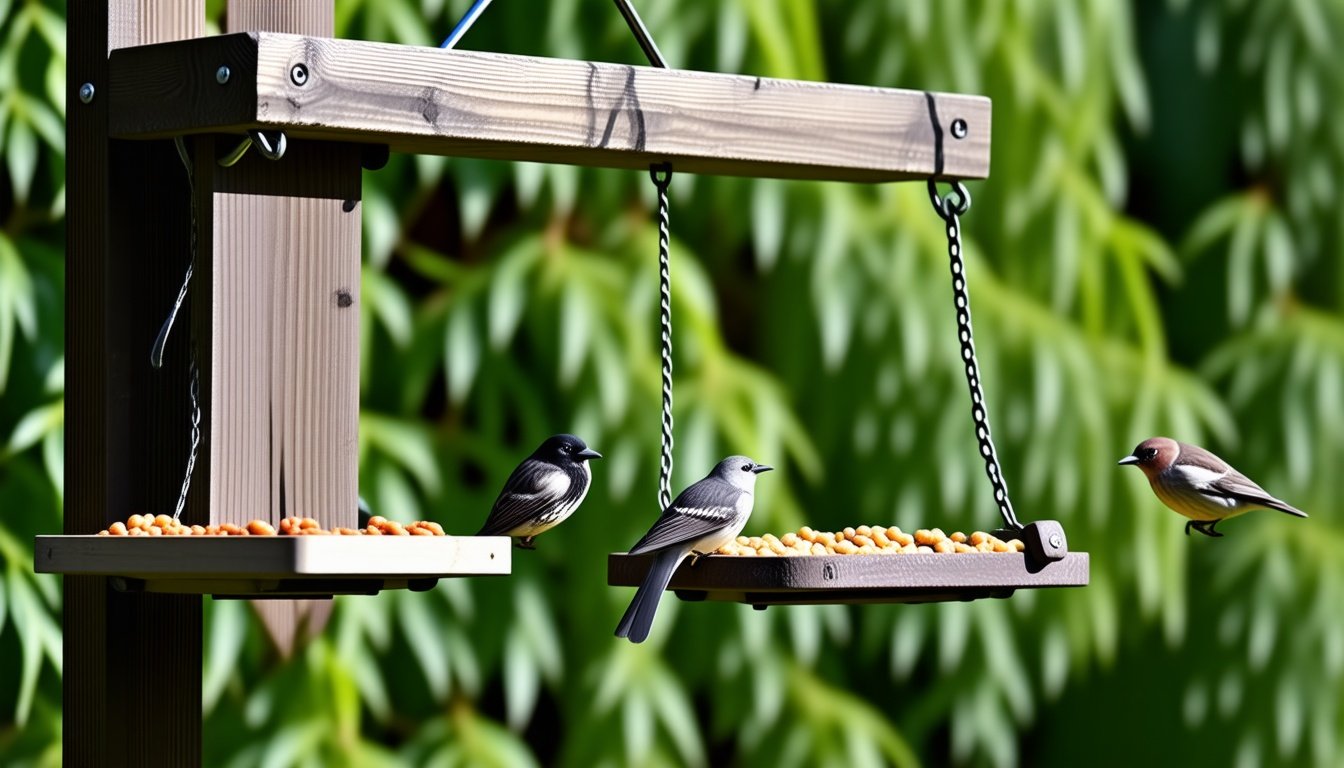
Have you ever stood by your window and wished the little birds visiting your yard would stick around just a bit longer? Or that you had a front-row seat to those magical moments when birds dart, flutter, and whistle nearby? Building your own bird feeder station using a shepherd’s hook might just be the ticket. It is simple, satisfying, and turns your backyard into a bustling hotel for all kinds of feathered guests.
Honestly, few things beat the quiet joy of watching birds. They bring a slice of wild beauty right outside your door. And hey, setting up your own DIY feeder? It is a small project that packs a lot of heart. You get to tinker around with your hands, choose what kind of seeds to offer, and even decide how fancy or simple your little bird café should be. And the best part? You do not need a huge yard, fancy tools, or a sky-high budget. A humble shepherd’s hook and a bit of creativity is all it takes.
Why a Shepherd’s Hook? What Makes It Special?
If you have ever strolled through a garden store or wandered an outdoor market, you might have noticed these tall, slender, S-shaped metal rods called shepherd’s hooks. Originally meant to hold lanterns, planters, or garden decorations, they are perfect for hanging bird feeders. Here is why:
- They are easy to install. Just stick the pointed end deep into the soil and voilà! Your feeder station is ready for action.
- They keep feeders off the ground. Birds love to feel safe away from prowling cats or sneaky critters. Plus, fewer seed spills mean less mess.
- They are sturdy yet flexible. You can hang more than one feeder on some hooks — think breakfast, lunch, and dinner for the neighborhood birds.
- They look pretty cute. The curved shape adds a quaint charm to your backyard setup.
All this makes the shepherd’s hook a little hero in the bird feeder world. Plus, it is easy to move around if you want to try different spots.
What You Will Need to Get Started
Before you rush off to grab one, here is a quick checklist of what will help you set up your bird feeder station:
- One or two sturdy shepherd’s hooks (metal ones hold up well to weather)
- Your choice of bird feeders (tube feeders, platform feeders, or suet cages)
- Bird seed mix, suet, or specific feed depending on what birds you want to attract
- Optional: Small accessories like a baffle to keep squirrels away
- Basic garden tools (a small shovel or trowel for firming soil)
And if you have some extra time and love a good DIY twist, you can spice things up by decorating your feeders or even crafting your own from household items. But more on that later.
Choosing the Perfect Spot for Your Feeder Station
Location, location, location. It matters for birds and for your own viewing pleasure. You want a place where the birds feel safe but you can also sneak a peek without being an annoying human shadow.
Look for a spot that gets some morning sun but offers a bit of shade as the day warms up. Birds need to stay cool, and feeding in the midday heat can be uncomfortable. Also, think about how close the spot is to natural cover. Trees or shrubs nearby let birds dart quickly to shelter if needed. It acts like their trusty lifeline.
Try to avoid placing feeders right next to windows. Trust me on this one. Birds sometimes do not recognize glass and may smack into it, which is a sad sight all around. If your only option is near a window, try hanging decals or screens to reduce reflections.
Step-by-Step: Setting Up Your Shepherd’s Hook Bird Feeder Station
This is where the fun really begins. Imagine yourself outside, the soil cool under your hands, the sun warming your back, and a couple of curious birds flitting nearby. Here is a simple way to get everything ready:
1. Assemble Your Hook
Some shepherd’s hooks come in two or three pieces for easy transport. Connect them tightly so they feel solid. You do not want your birdie buffet wobbling in the wind!
2. Find a Soft Spot in Your Yard
Look for a patch where the soil is loose. If it is hard or rocky, water it a little first to soften the ground. This way, your hook slides in easier.
3. Plant the Hook Firmly
Push the pointed end into the soil at least 6 to 8 inches deep. For extra stability, you can wiggle a little soil around the base or gently press with your foot. If you live in a windy area, you might want to shove a stick or two on either side for extra support.
4. Hang Your Feeder or Feeders
Depending on how many hooks your shepherd’s hook has, you can hang one or several feeders. Attach each feeder’s hook through the shepherd’s hook curve and let them sway a little in the breeze. Birds love a bit of movement.
5. Fill Your Feeders
Grab your bird seed mix or suet cakes and fill the feeders. If it is your first time, a general mixed seed blend works well. Later, you can decide which birds visit most and tailor the food to their taste buds.
6. Watch and Wait
Now comes the best part: watching those first feathery visitors stop by. It may take a day or two, so hang tight. Birdwatching patience is a virtue that pays off big time.
Simple DIY Feeder Ideas to Pair With Your Shepherd’s Hook
Want to add a personal touch? Building your own bird feeder can be as easy as pie. Or at least as easy as assembling a sandwich. These ideas are fun, inexpensive, and perfect for all ages:
- Pinecone Feeder: Take a pinecone, smear peanut butter all over it (make sure it is natural, no added salt or sugar), then roll it in birdseed. Hang it from your shepherd’s hook with a string. The birds will find it delicious.
- Milk Carton Feeder: Cut small holes on the sides of an empty milk carton, fill it with seeds, and hang it up. It is weatherproof and can last a good while.
- Teacup Feeder: If you have an old teacup and saucer you do not mind repurposing, glue the cup sideways onto the saucer, add a chain or wire, fill with seeds, and hang it. Cute and classy.
Creating your own feeders adds a little extra charm and means you can pick designs that suit your backyard style and the birds you want to invite.
Tips for Keeping Your Bird Feeder Station Happy and Healthy
Feeding birds is rewarding, but it also comes with small responsibilities:
- Clean your feeders regularly. Seeds can get moldy or spread disease. A quick wash with warm water every couple of weeks works wonders.
- Change seed types seasonally. Different birds visit in different seasons. Sunflower seeds for winter, nyjer seeds for finches, and peanuts for woodpeckers.
- Keep an eye out for unwanted guests. Squirrels love to crash the party. You might need a baffle or squirrel-proof feeder.
- Refill feeders often. Empty feeders mean no visitors, and hungry birds can get discouraged.
- Be patient and enjoy. Wildlife does not operate on our schedule. Sometimes it feels like a slow wait, but the payoff is pure joy.
More Than Just Feeding: What You Gain
Setting up a bird feeder station this way invites more than just birds. You invite calm mornings sipping coffee while you watch tiny acrobats in feathers. You invite a connection with nature that feels rare in our busy lives.
Some days, that moment of seeing a bright red cardinal pause on your feeder feels like a little gift. Other times, a shy chickadee’s high-pitched call echoes a sweet hello just for you. These moments stitch into your day like tiny threads of happiness — simple but powerful.
Plus, you get the satisfaction of making something yourself that the birds actually use and enjoy. There is a kind of pride in that, a smile that sneaks up when you peek out the window and see the fruits of your handiwork in action.
Final Thoughts (But Not The Ending!)
If you have a shepherd’s hook, a few seeds, and a little bit of time, you hold the key to inviting winged wonders into your yard. This is backyard birdwatching made personal, made fun, and made simple. It is about building a small sanctuary, one feeder at a time.
Sure, the birds will come and go with the seasons, but the memories, the quiet joy, and the moments of sweet surprise you find here stay close. And honestly, who would not want a little more of that in their day?