
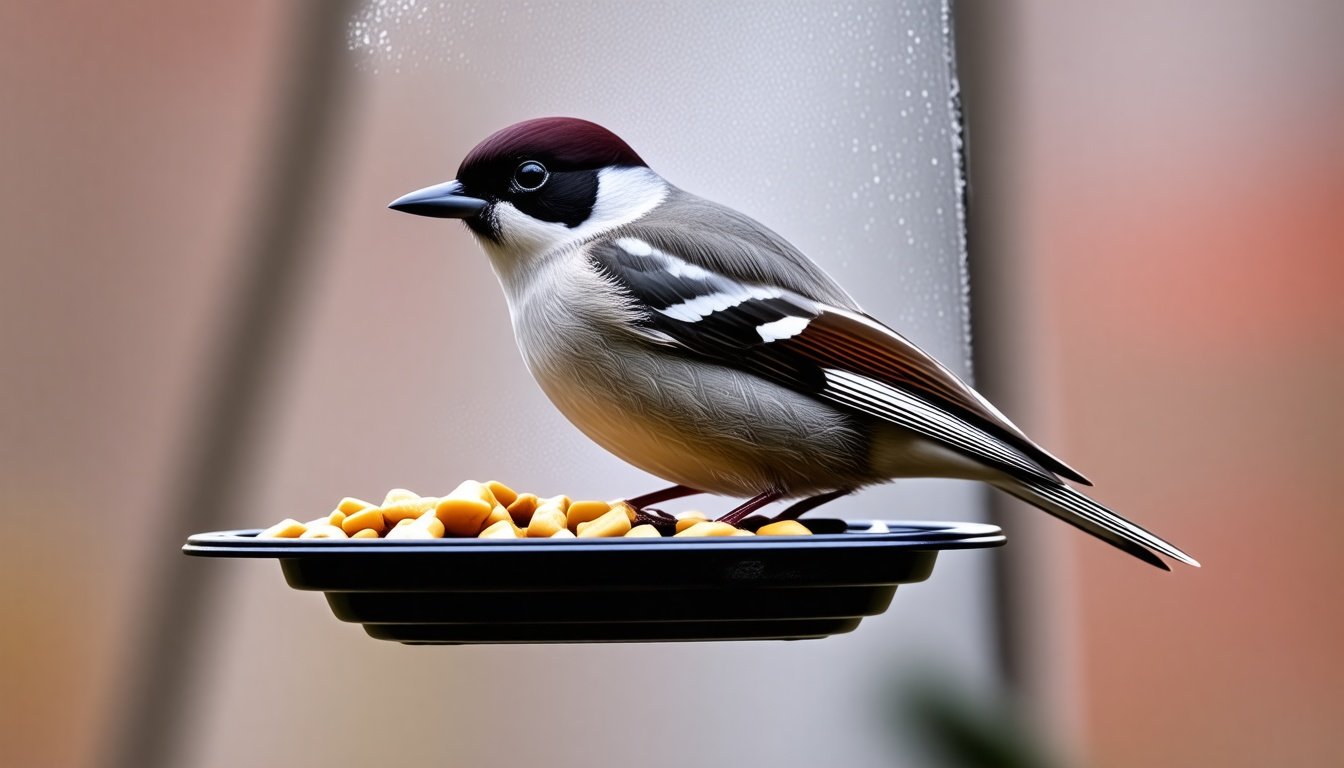
Watching birds swoop in for a drink or a nibble in your backyard can be one of those little joys that quietly makes life better. But setting up bird feeders is not just about tossing some seeds around and hoping for feathered visitors. There is a hidden challenge: keeping your tiny guests safe from predators. Imagine a squirrel-hawk or neighborhood cat waiting just out of sight, ready to pounce. It kinda takes away the fun, right? Nobody wants their bird feeder to turn into a buffet for the wrong crowd.
So, how do you arrange bird feeders so that your birds feel comfy and secure? How do you protect them without endlessly chasing away every critter that dares to come close? This is a delicate balancing act between creating a welcoming spot and not turning it into a predator’s playground.
The Bird Feeder & Predator Problem
Bird feeders attract more than just birds. Sure, you get the colorful cardinals, cheeky chickadees, and finches popping by for a snack. But you also might lure the sneaky things—hawks, snakes, cats, and even some bigger animals like raccoons or rats. Feeders are like a neon sign flashing “Dinner Here.” Predators know this, and sadly, it puts your feathered friends at risk.
Birds have evolved to be cautious, but when hunger calls, even the most wary birds risk a little danger. That is why the location of the feeder plays a huge role in their safety. Place it wrong, and you might as well be serving birds up on a silver platter for the local cat.
What Makes a Feeder Spot Safe?
So, what does “safe” actually mean? Basically, a safe spot is one where birds can see trouble coming and escape quickly. It should also be tough for predators to hide nearby and spring a surprise attack. That sounds simple but nailing the details takes some thought.
- Visibility: Birds want to spot danger early. A clear view to the open sky and nearby perches helps.
- Escape Routes: Birds need to launch away quickly. Having a clear, obstacle-free path helps them flee.
- Distance from Hiding Spots: Predators like to lurk unseen, so feeders should be away from thickets, dense bushes, or low places where a kat or hawk might hide.
- Perch Placement: Good perches let birds watch for threats while hanging out near the food.
Why Not Just Put Feeders Right Next to Your Windows?
Hey, we all want a front-row seat to bird action, but sometimes that front row is a front door for danger. Cats and other predators know how to sneak near houses and wait patiently under windows for an easy meal. That makes windows, especially low ones, risky places for feeders.
Now, putting feeders by windows does help birds avoid hawks hiding above, but then you just make it easier for cats. If you do like your feeders near windows, make sure there is at least some distance—several feet or more—and no bushes or places for cats to hide. Bonus tip: putting feeders even a little away can keep the birds safer without you missing out.
Height Matters: How High Should You Hang Your Feeders?
Birds tend to prefer feeders placed 5 to 6 feet off the ground. That height is tall enough to keep out many ground predators like dogs and raccoons but still easy to refill.
However, some predators can climb poles or hang out in nearby trees. That is why simply hanging a feeder high is not enough. The spot around the feeder needs to be clear and open so birds can see danger coming and fly away fast.
Extra Safety Tip: Use Squirrel Baffles
Squirrels might be cute, but they are loud, messy, and pretty much the backyard bully. They can scare birds off and sometimes even chew through feeders. Adding a squirrel baffle—a dome or cone-shaped guard—below or above your feeder makes it much harder for squirrels (and some other climbers) to reach the food or predators waiting nearby.
Where to Set Feeders to Avoid Cat Attacks
Cats are sneaky beasts. They are great at hiding in bushes or creeping along fences until they get close enough for a good chase. Since many neighborhood cats are not hunters by nature but are fascinated by birds, your feeder’s placement can make a lifesaving difference.
- Keep Feeders 10 feet away from trees, fences, or structures. Cats jump, climb, and lurk near cover. If you keep a good gap, they will find it much harder to sneak up.
- Clear low bushes around feeders. If cats cannot hide within a few feet of the feeder, birds get a much-needed head start.
- Think vertical. Cats cannot fly, so any feeder that allows quick access to an aerial perch or the open sky above makes it safer.
Also, consider placing feeders near trees or shrubs with sturdy branches nearby but not too close. Birds use these spots to peek around and take cover if needed. The branches should not be jump-off points for cats, so about 6 feet away is often a good rule.
Scaring Hawks Away Without Scaring Birds
Hawks are a different kind of predator. They are aerial, fast, and sneaky. Yet, they also hunt by surprise, so anything that reduces hiding places near feeders lowers the risk.
Hawks prefer perching spots close to feeders, waiting silently. If you keep feeders in open spaces with wide sightlines and no tall perches nearby, hawks will find it harder to wait unnoticed.
Adding some visual deterrents like shiny tape or moving objects can sometimes discourage hawks, but that tends to annoy birds too. Instead, try making your yard more “hawk-unfriendly” by planting low shrubs rather than tall trees near feeders or keeping feeder areas open and trimmed.
DIY Ideas for Predator-Safe Feeders
You do not have to buy fancy, expensive feeders to keep birds safe. Simple DIY hacks can make a big difference:
- Use PVC Pipe Hangings: Build feeders that hang on a smooth PVC pipe where squirrels and cats cannot climb easily.
- Attach Baffles: Use plastic bowls or metal cones to create baffles under feeders made from recycled household items.
- Place Feeders Over Gravel or Loose Stones: Predators, especially cats, find it harder to creep quietly on noisy surfaces. That means birds get an early warning.
- Create Multiple Feeding Stations: Spread feeders around your yard at different safe spots. This lowers crowding and reduces the risk of predators zeroing in on one busy spot.
Watching Birds Without Putting Them in Danger
The joy of backyard birding is watching those little miracles flit and flutter, their colors shining in the sunlight. But that joy can quickly turn sour if one of your visitors disappears suddenly, taken by a predator lurking too close.
Think of your backyard as a neighborhood block party. You want everyone to have fun and feel safe. Placing feeders with care is like closing the gate so no unwelcome guest crashes the party.
It takes a bit of trial and error. Maybe you hang a feeder in one spot and see fewer visitors. Move it a little. Watch how birds react to each change. You become part detective, part bird bodyguard, and part friend to your flying neighbors.
Don’t Forget Other Safety Helpers
- Clean Feeders Regularly: Dirty feeders can attract pests and disease, which puts birds at risk beyond predators.
- Remove Seed Spills: Seeds on the ground invite rats and other unwanted guests that can be predators or danger in their own way.
- Offer Water in Safe Spots: Water attracts lots of birds but also some predators. Place birdbaths in open spaces.
- Limit Nighttime Feeding: Most predators are night hunters. Removing food at dusk helps.
Final Thoughts on Keeping Your Feathery Friends Safe
Setting up bird feeders is a little like parenting tiny creatures with wings. You want them to thrive but also survive all the dangers. Location is everything. The perfect spot is clear, offers quick escape, is away from hiding places for bad guys, and is easy for birds to access.
It might feel like a puzzle at first. Where should I hang it? How high? What about the cat? Once you start paying attention, you get a sense. And every bird that shows up safely is its own little victory—a reminder that with a little care and thought, kindness spreads in the smallest ways.
So, next time you fill your feeder, look around your backyard with fresh eyes. Where would you feel safest if you were a tiny bird? Then start there. Your neighborhood birds will thank you with songs, splashes, and maybe even those cheeky visits that make mornings worth waking up for.