
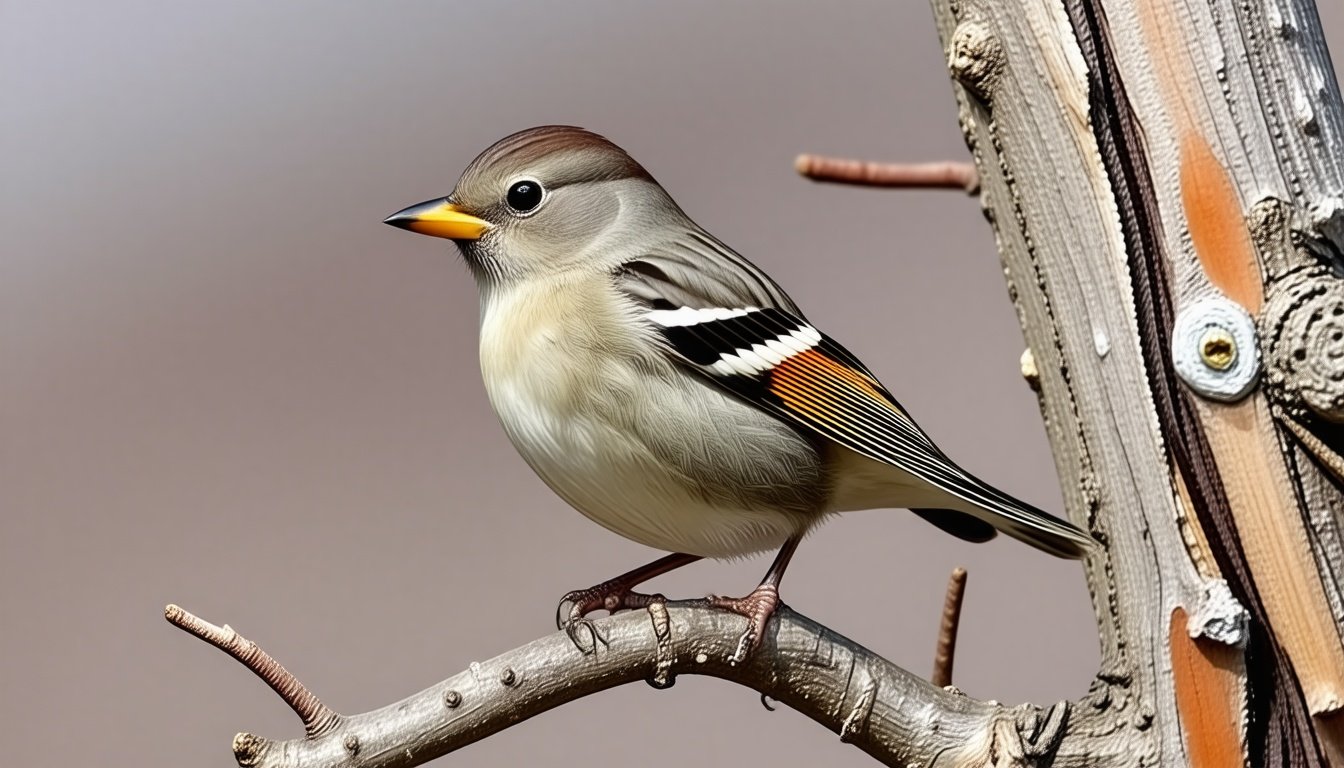
If you live near the Rockies or in those high-altitude spots where the air feels thin and the sky looks endless, you might have noticed your backyard feels a bit… quiet sometimes. Like the kind of quiet that makes you wonder if something is missing. But here is a secret: your backyard is actually a little bird city. Sure, not filled with pigeons or sparrows like in the city down below, but with some truly cool, rugged birds that have learned how to live and even thrive way up there.
Whether you are a newbie just curious about those feathered mountain neighbors or a weekend warrior birdwatcher, this article is your friendly guide to the backyard birds of the Rockies and other high-altitude places. Plus, stick around for some easy DIY bird feeder ideas that will definitely get your new feathered friends dropping by for a visit (and maybe even a small concert).
Why High Altitude Birds Are Different
Think about it. Up high, the weather gets wild. Temperatures swing, the air thins out, and food is sometimes scarce. Birds that live in places like the Rockies have to be tough and resourceful. Unlike the birds in your city park, who can rely on handouts from pedestrians or leftovers in the trash, mountain birds get by with strong instincts and sharp skills.
And boy, do they have style. These birds often sport colors and shapes that blend with pine trees, rocky cliffs, or snowy peaks. Their calls can be soft and warbling or loud and echoing across the valleys. Trust me, if you pay attention, these birds tell fascinating stories about survival, adaptation, and sometimes even friendship.
Some Common Backyard Birds You Might Spot
Now, before we get to the feeders and fun, let us talk about some of the wild residents you might see just outside your window:
- Mountain Chickadee
These little balls of fluff are easy to recognize by their black caps and white cheek patches. They are curious and bold, often one of the first birds to check out any new feeder. - Pine Grosbeak
With their rosy-pink feathers (the males) and huge, chunky bodies, pine grosbeaks look like birds that belong in a storybook. They like fruit and seed feeders and will sometimes come in small flocks. - Clark’s Nutcracker
These smart, pale gray birds with black wings are like the nut stash experts of the mountains. They hoard pine seeds for winter and are often seen darting through pine forests, looking for their next treasure. - Steller’s Jay
Flashy and loud, these blue-and-black birds are the high-altitude equivalent of city crows. They have great personalities—sometimes a bit cheeky—and are incredibly intelligent. - White-crowned Sparrow
Sporting bold black-and-white stripes on their heads, these birds are often seen scratching in the dirt or under bushes. They sing beautiful songs, especially in the mornings. - Broad-tailed Hummingbird
If summer visits your high-altitude yard, you might be lucky to spot these tiny hummingbirds buzzing from flower to feeder. Their iridescent green backs and rose-pink throats glitter against the mountain sun.
How to Turn Your Backyard into a Bird Magnet
Here is where the fun begins. If you want to make your outdoor space a cozy spot for these birds, you do not need fancy gadgets or expensive equipment. A little thought, some creativity, and basic materials can do wonders.
Choose the Right Feeder for the Neighborhood
Not every feeder is built for every bird—or altitude. You want something that caters to the types of birds likely to visit your yard and can withstand mountain weather. Here are a few ideas:
- Suction Cup Hummingbird Feeders – Perfect for high-altitude hummingbirds. Hang it near flowers or windows where you can watch their acrobatics up close.
- Suet Feeders – Great for chickadees and woodpeckers. Suet provides energy-packed fat that’s essential during cold mountain winters.
- Tube Feeders – Ideal for pine grosbeaks and white-crowned sparrows who love sunflower seeds and millet.
- Platform Feeders – Open trays attract juncos and sparrows who prefer feeding on the ground or flat surfaces.
DIY Feeder Ideas That Are Simple and Charming
Do not you love when something cool does not cost much and actually brings joy? Here are three easy bird feeders you can make yourself, no matter if you are a kid, a busy adult, or someone who just likes to tinker.
- Pinecone Suet Feeder
Find a pinecone, smear it with a mix of peanut butter (make sure it is all-natural and no xylitol) and birdseed, then hang it with a string from a sturdy branch. Chickadees and nuthatches will come running. - DIY Hummingbird Feeder
Take a small glass jar, fill it with sugar water (four parts water to one part sugar), and poke holes in the lid for feeding ports. Hang it with ribbon near flowering plants, and watch that crimson flash of wings zip in. - Ice Candle Feeder
This one is special for winter days. Fill a balloon with water, add some birdseed and berries, and freeze it overnight. Pop the balloon, and you have a beautiful block of ice with treats inside. Hang it where birds can perch and peck safely. Just be ready for it to melt!
Tips to Keep Your Feathered Friends Coming Back
Feeding birds is not just about putting out food and hoping for the best. It is a little like hosting a party—the more comfortable and inviting you make it, the more guests you get; plus, they will stay for dessert.
Fresh Water Is a Must
Birds get thirsty, especially in dry mountain air. Providing a clean water source can change a quiet yard into a lively one. A shallow dish or a small birdbath works well. If you live up high where freezing happens, try a heated birdbath or change the water often during warmer days.
Keep Feeders Clean
I know, it is tempting to just refill and forget, but dirty feeders can spread diseases among birds. Wash feeders every couple of weeks with warm, soapy water, and rinse well. If you see mold or clumped seeds, toss those seeds out and clean the feeder sooner.
Plant Bird-Friendly Shrubs and Trees
If you have space, add native plants that produce berries, seeds, or provide shelter. Mountain mahogany, serviceberry, and chokecherry are all good choices. Birds love places to hide, nest, and rest while they grab a bite.
Be Patient and Quiet
Birds do notice human activity. If you want them to visit regularly, try to be calm and keep sudden movements to a minimum. Sometimes just sitting quietly near your window with a cup of tea can reward you with a lively birdwatching session.
What to Expect Through the Seasons
Mountains change like a slow movie, and so do the birds.
- Spring – Migration season. You might see lots of new faces passing through or setting up territories. Look for lively songs and courtship displays.
- Summer – Nesting time and plenty of feeding. Baby birds start to appear, begging for food. Feeders with nectar and soft foods become very popular.
- Fall – Time for fattening up before winter. You can expect flocks moving in, especially grosbeaks and jays who love seeds and berries.
- Winter – Feeders become lifelines. Birds rely heavily on feeders and natural food stored from summer. Suet and insects are favorites now.
Watching the change in bird visitors over the year is like watching a living calendar. Each season has its own characters, dramas, and moments of joy.
Why It Matters
Okay, so birds are beautiful, and feeding them is fun. But there is a deeper peace that comes with connecting to these creatures. When you watch a chickadee fluff up in the cold or see a hummingbird dart from flower to feeder, it reminds you life is bigger and wilder than our routines and screens.
Plus, your backyard becomes a tiny refuge for wildlife. Birds help spread seeds, control bugs, and bring energy to your patch of earth. They invite a touch of wildness into your daily life.
So, if you live in the high Rockies or any mountain spot, take a moment. Look outside. Start small. Maybe build a simple feeder or hang a pinecone. You never know what amazing feathered friends might just show up and change your day.