
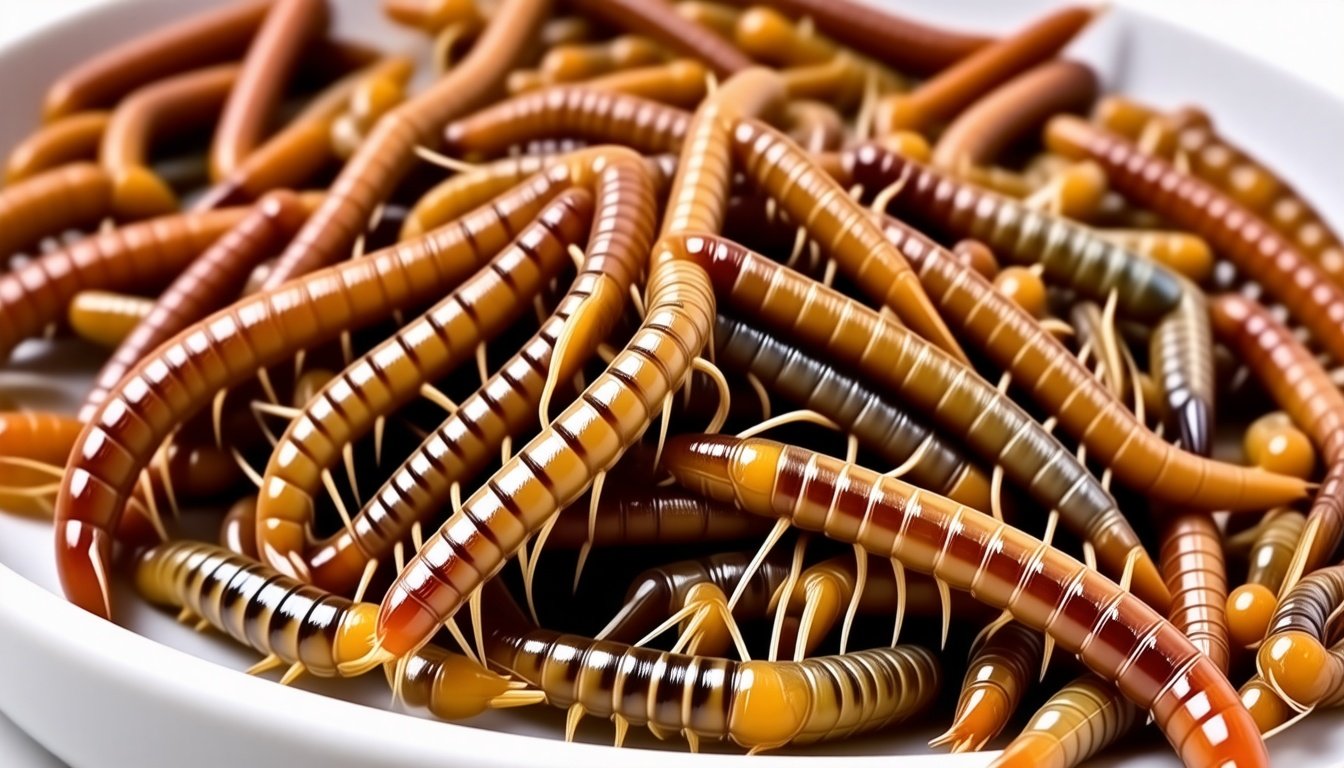
If you have a backyard full of chirping friends or a window ledge that’s a portal to feathered visitors, feeding mealworms might already be on your radar. But then, questions swirl like autumn leaves: Should I feed them live or dried? How do I even do this without turning my yard into a bug buffet gone wild? And what on earth are mealworms anyway? Well, friend, strap in. You are about to become the birds’ favorite chef in town.
Why Feed Birds Mealworms?
First off, mealworms are like the candy bars of the bird world. They pack a punch of protein and fat, which makes them an excellent treat—especially in cold months or breeding seasons when birds need extra energy to survive or raise their little ones. Birds from chickadees to bluebirds, wrens to robins, just love them.
Think about it: if you were outside in freezing weather, would you want a salad or a hot, cheesy slice of pizza? Exactly. Mealworms are that hot pizza for birds.
Live vs. Dried: Why Does It Matter?
Okay, here is where things get interesting. Live mealworms are wriggly, fresh, and downright irresistible to birds. But dried mealworms? They are convenient, less messy, and last longer. Each option has its quirks, and your choice depends on what you want to get out of it.
Live mealworms move. They squirm. That movement triggers a bird’s hunting instinct. It’s like showing up to the dinner table with a little dance performance. Dried mealworms don’t do the dance but still carry that protein punch in a tidier package.
So how do you decide?
Feeding Live Mealworms: The Fancy Feeding
Feeding live mealworms can feel like a backstage pass to the wild world of birds. Watching a bird swoop down and gobble up a wiggling worm feels like nature’s own little thriller.
Where to Buy (or Culture) Live Mealworms
- Local Pet Stores: Usually the easiest place to grab live mealworms. Just ask for the tiny wriggly things, and boom—you are set.
- Online Retailers: Great option if you want bigger quantities or live delivery straight to your door.
- Culturing Your Own: Sounds intimidating? It is not. Mealworms are just beetle larvae, and with a little oatmeal, bran, and patience, you can have an ongoing supply at home.
How to Feed Live Mealworms Without a Mess
Here is a little secret: birds love a bit of drama but not a full-blown mealworm party all over your porch. To keep things tidy, try these tips:
- Use Shallow Dishes: A shallow tray or dish will keep the squirming worms together and prevent them from escaping like tiny Houdinis.
- Add a Bit of Sand or Oatmeal: This keeps the worms comfortable and stops your dish from turning into a slippery mess.
- Place Near Bushes or Shrubs: Birds feel safer snacking near cover. Plus, you get to watch from a good hiding spot!
Keep in mind, if you leave live mealworms out too long, they might start dying or getting too cold. Rotate your offerings often to keep things fresh.
Is It Gross to Handle Live Mealworms?
Totally normal to feel a little icky about handling these tiny wigglers at first. But honestly? They are harmless. They do not bite. With a little practice, you will be flicking mealworms onto your feeder like a pro in no time.
Feeding Dried Mealworms: The Low-Maintenance Option
Dried mealworms are like the snack bar version of the live ones: no drama, no mess, just packed nutrition. They can be stored longer and are perfect if you want a fuss-free feeding experience.
How to Serve Dried Mealworms to Birds
- Scatter on Feeding Trays: Spread dried worms on flat feeders or trays—birds will come pecking at the crunchy treats.
- Mix with Seed: Blend dried mealworms with your regular birdseed mix for a little extra oomph.
- Sow Around Plants or Ground: Some birds love to forage on the ground. Toss dried mealworms near bushes or trees where ground-feeders hang out.
One tiny tip: dried mealworms can get a bit hard, so birds might prefer a mix of dried and live (or soaked) ones. If you have picky eaters, trying a few ways to offer them might spark interest.
Should You Soak Dried Mealworms?
Some bird enthusiasts soak dried mealworms in water for a few minutes to soften them up. It is like rehydrating your favorite crunchy snack. This can help birds with weaker beaks or younger birds nibble more easily.
What Birds Love Mealworms Most?
Different birds have different tastes, just like us at a buffet. Here are some common mealworm fans who might turn your backyard into a regular diner:
- Bluebirds
- Robins
- Wrens
- Chickadees
- Nuthatches
- Woodpeckers
- Starlings
Even if you have never spotted these birds before, offering mealworms is a great way to attract new feathered friends. Remember, each bird has a personality; some will come right in and gobble, while others might hover in suspense like a toddler eyeing broccoli. Patience pays off.
DIY Mealworm Feeding Stations
Ready to get crafty? Making your own bird feeding station for mealworms can be super satisfying—and a great conversation piece when neighbors stop by.
Simple Mealworm Tray
- Find a shallow dish or tray, maybe an old pie pan or a plastic container lid.
- Drill a few tiny holes if you are worried about water pooling after rain. Birds do not like soggy mealworms.
- Place the tray on a flat surface near bushes or gently suspend it from a tree branch.
- Fill it with mealworms (live or dried) and watch the show.
Repurposed Food Containers
Old yogurt containers, small Tupperware boxes, or even half coconut shells can make quirky, budget-friendly feeders. Just make sure to keep things clean and dry.
Adding Cover for Comfort
Birds love a bit of privacy when they eat. Adding a small branch, piece of bark, or evergreen sprig near the feeder gives them a sense of safety. Plus, it looks natural and inviting.
Safety and Hygiene Tips When Feeding Mealworms
You want birds to come back for more, not bring sickness along. Feeding live or dried mealworms is generally safe, but here are some friendly reminders:
- Keep Feeders Clean: Mold, bacteria, or leftover food can cause bird illnesses. Clean trays and dishes with hot water and mild soap regularly.
- Do Not Overfeed: Mealworms are treats, not a full diet. Overfeeding can make birds lazy or upset the natural balance of their nutrition.
- Watch for Pests: Mealworms can attract ants or rodents. Place feeders in spots where it is harder for unwanted guests to sneak in.
- Buy Mealworms Responsibly: If you buy live mealworms, make sure the supplier is reputable and the worms have been kept healthy.
Can You Breed Mealworms at Home?
Want to become the ultimate supplier to your backyard birds? You can culture mealworms yourself without turning your home into a bug jungle.
Basic Mealworm Farming
- Get a plastic bin or container with a lid (leave it slightly open for air).
- Fill it with bran, oatmeal, or wheat middlings—this is their buffet base.
- Buy a starter batch of mealworms.
- Add carrot or potato slices for moisture (replace regularly to prevent rot).
- Keep the bin in a warm, dark spot (around 70 degrees Fahrenheit is perfect).
- Wait a few weeks as mealworms turn into beetles and lay eggs. You can harvest the worms regularly.
This little project grows quickly, so you might have fewer trips to the store—and if you have kids, it can be a cool science lesson about life cycles and responsibility.
Final Thoughts on Feeding These Tiny Treats
Feeding birds mealworms opens a window into another world. You get to watch little creatures chase their irresistible, wriggly treats or patiently peck at crunchy dried morsels. It is a simple act but packed with joy and connection.
Your feathered visitors will remember you as the friend who brings the good stuff. And that, my fellow bird lover, feels pretty wonderful.