
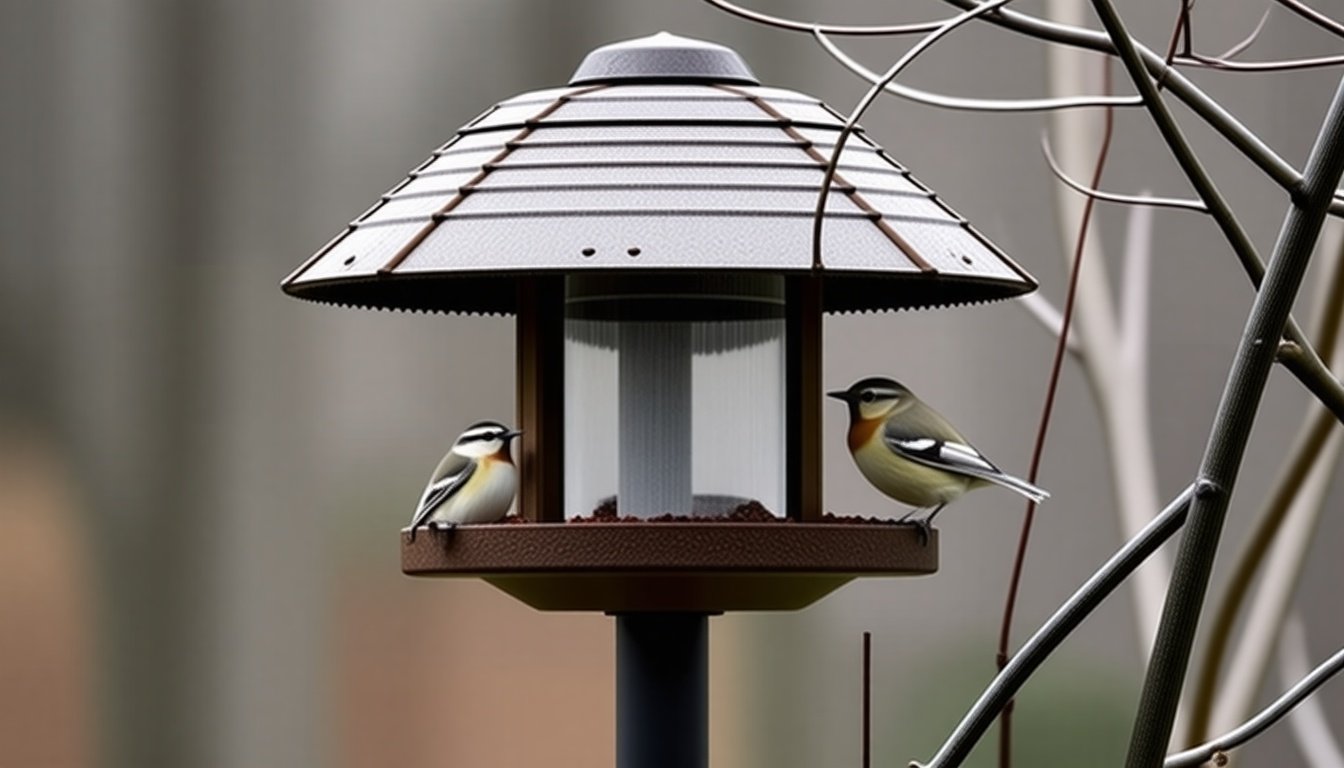
Watching birds flutter and flit in your backyard might seem like a simple pleasure. Yet, it can turn into a full-on joyful obsession faster than you expect. There is something about these delicate creatures—the way they hop from branch to branch, or pause mid-air to grab a seed from a feeder—that speaks to a part of us that loves quiet beauty and little miracles. But here is the thing: creating a perfect bird feeder zone is not just about hanging a feeder on a tree and calling it a day. Oh no, it is way more interesting than that. You want birds to feel safe, to feel welcome, and for you to see every feather ruffle up close without spooking them. And that takes a bit of thoughtful planning.
So, if you have ever stood there wondering how to turn your backyard into that bird haven you secretly dream about, you are in the right spot. Let us talk about how to create a bird feeder zone that balances visibility with shelter, so both you and your feathery friends get the best experience.
Why Does Visibility Matter?
Imagine setting up a bird feeder and then never seeing a single bird come by because they are too shy or feel vulnerable. That would sting. Birds know they are vulnerable. Hawks, cats, loud noises—these are the daily threats they avoid with finely tuned instincts. So, your feeder has to be in a spot where birds feel safe enough to visit, yet close enough for you to watch.
Visibility is about that sweet spot. You do not want to be so far away that spotting a chickadee or a finch feels like you need binoculars and detective skills. But at the same time, placing a feeder smack in the middle of your open yard, with nowhere to hide, is like putting out a “Hungry Birds Welcome” sign that predators also read.
Finding the Perfect Spot
- Near a window: This is a classic move. Having your feeder a few feet from a window means you get prime front-row seats to the bird drama. Just do not place it so close the birds feel trapped by the glass. A distance of about 3 to 6 feet usually works well.
- Clear line of sight: Make sure nothing blocks your view. Shrubs, garden gnomes, lawn furniture—watch out for visual clutter. You want to see the bird’s whole show, from landing to seed pecking to takeoff.
- Natural perch nearby: Birds like to have quick escape routes and watch spots. If you can put your feeder near a tree branch or bush, they will love you for it. It acts as their lookout and a safe place to rest.
Why Shelter Is a Big Deal
Now, why do birds need shelter? Think about a small bird trying to eat in your yard. If they are completely out in the open, they are targets. The tiniest rustle in the leaves sends them flying. Providing some cover around your feeder means they have a chance to feel safe and actually enjoy the meal you put out.
You might assume shelter means a roof over the feeder, but it is more about creating a protected microhabitat. Shade, cover from wind, places to hide—these things matter.
Shelter Ideas That Work
- Plant shrubs: Shrubs or medium-sized bushes near your feeder give birds a sense of security. Privet, holly, and native berry bushes are great picks. They provide hiding spots and sometimes snacks of their own.
- Use tree cover: A feeder hung under tree branches automatically gets some shield from weather and predators looking from above. Just make sure branches are not so thick that you lose visibility.
- DIY shelters: Building a simple bird feeder with a little roof or sides can protect birds from rain and wind while keeping the seeds dry. Plus, it makes your feeder look cute.
How to Balance Seeing Birds and Giving Them Shelter
This is where things get fun and a little like a nature puzzle.
You want to put the feeder close enough to your window or favorite hangout spot so you can admire the birds, but near enough cover so the birds do not feel exposed. There is no perfect formula because every yard is different, but here are some ideas to think about.
Layer Your Landscape
Try to create layers: tall tree branches, mid-level bushes, and a feeder somewhere in between. This mimics how birds behave in the wild. They rarely hang out where they are totally exposed. Instead, they jump from cover to cover, glancing for danger, before landing and feeding.
Keep The Ground Clear and Clean
Birds do not want to land if the ground looks unsafe. Cats prowling, dogs digging, or clutter lying around can scare them. Keep the ground below feeders clean, and maybe place some gravel or sand so they can hunt for crumbs or dropped seeds without feeling at risk.
Use Multiple Feeders
Putting up more than one feeder spread around your yard can give birds options. Some birds prefer hanging out in more sheltered spots, while others are brave enough to visit feeders in open spaces. You get more variety and more action to watch by mixing spots.
What About DIY Bird Feeders? Let’s Get Creative
A bird feeder does not have to be boring or bought from a store. Making your own can be fun, cheap, and you get to customize it exactly how you want it. Plus, crafting feeder shelters that protect seeds from rain or offer extra perching spots makes your bird zone more welcoming.
Simple Homemade Feeders
- Pine cone feeder: Smear peanut butter all over a pine cone and roll it in birdseed. Hang it with string near some bushes. Easy and small, perfect for small birds.
- Jar feeder: Use an old jar and drill holes near the rim. Fill it with seeds, hang it upside down from a branch. The jar’s sides act like a mini shelter from wind.
- Wooden tray feeder: Nail together a small tray with low sides and a little roof. Perfect if you want to see birds up close because they perch on the tray and you get a front-row view.
Adding Shelter to DIY Feeders
Whatever feeder you make, think about adding a small roof or sides to block rain and wind. You can use scrap wood, old plastic lids, or even pieces of metal. The goal is to keep seeds dry and birds comfortable.
And hey, birds love variety. Having a mix of seed trays, tube feeders, and suet feeders encourages different types of birds to visit your yard. Plus, it gives you a chance to observe curious behaviors and personalities.
Friendly Tips for Making Birds Visit Often
- Put fresh water out: Birds need water for drinking and bathing. A birdbath or a shallow dish with clean water makes your yard a true bird oasis.
- Feed year-round: Not just in winter. Many birds benefit from extra food when natural sources are scarce. They will learn your spot is a reliable stop.
- Keep it clean: Wash feeder trays and perches regularly to prevent disease spread. Nobody wants a sick bird around.
- Use native plants: Native trees, shrubs, and flowers attract insects and provide natural food sources. Birds adore these spots.
- Limit predator access: Place feeders on poles with baffles or hang feeders out of reach of cats and squirrels. Make your feeder zone a safe zone.
Wait for It… Patience Is Part of the Magic
Setting up a bird feeder zone full of visibility and shelter is almost like planting a secret garden—and then waiting for it to bloom in its own time. Birds might not show up on day one. They might be shy or cautious at first. But if you keep putting food out, keep the environment safe, and let nature do its thing, soon you will hear the happy chatter and see little wings flashing all day long.
Birdwatching from your own porch or window becomes these small moments of joy, little daily reminders that the world is full of wonder right outside your door. And that makes all the effort worth it.