
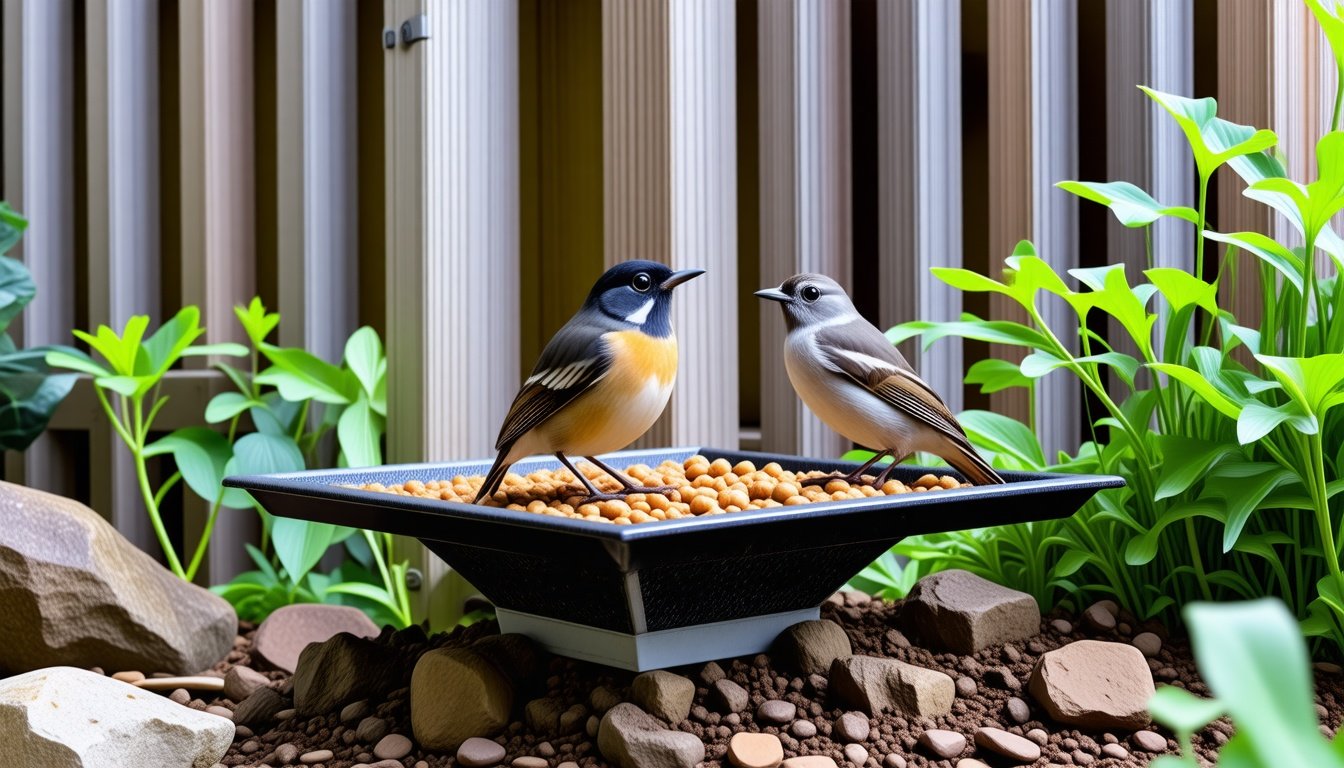
Have you ever sat quietly in your backyard and caught a flash of feathers darting through the trees? Maybe a robin pecking at a berry or a sparrow hopping cautiously near a feeder? There is something kind of magical about watching birds do their thing right outside your window. But here is a little secret: those little winged visitors are always scouting for safe spots to eat and rest. If they do not feel secure, they will simply move on to the neighbor’s yard or keep flying past. So, what if you could design your backyard to become their favorite safe haven? I tried, and I am going to tell you how it all worked out, with some nifty tips and ideas you can try yourself.
Why Should Backyard Birds Feel Safe?
Imagine trying to enjoy your lunch while someone keeps staring at you or a cat is stalking nearby. You would probably eat quickly or not at all. Birds feel the same way. They are tiny, vulnerable, and live in a world where predators lurk around every corner. When they come to your yard, they want more than food — they want a quiet little hideout where no one will bother them.
By creating safe spots, you do more than just feed them; you invite them to stay, relax, and maybe even raise their young. This is what makes birdwatching so rewarding. The longer they stick around, the more you get to see their curious personalities and little quirks up close. So, safety is not just nice for them — it is also the best ticket to hours of backyard wonder.
What Does “Safe” Mean to a Bird?
- Protection from predators: Hawks, cats, raccoons — they can all spoil a bird’s day.
- Cover: Bushes, shrubs, and trees offer hiding places.
- Quiet areas: Loud noises and human hustle make birds nervous.
- Food sources that are easy to reach and safe to use: Feeders without a landing strip for squirrels or place to hide for hawks.
- Water nearby: Drinking and bathing spots that feel secure.
Sounds like a lot, but it is simpler than you think, especially if you love messing around in your yard like I do.
Step One: Think Like a Bird
Before jumping into setting up feeders and birdhouses, take a minute to put yourself in the bird’s shoes — or feathers. What would you want if you were ten inches tall and could fly, but had to sleep in a bush every night? Probably some decent cover, a place to perch out of harm’s way, and maybe a snack that is easy to grab before the cat spots you.
Spend some time watching the birds visit your yard. Note where they like to hang out. Are they staying close to dense shrubs? Do they seem nervous landing on your current feeder? Do they flit between trees or come down to the open lawn?
This little detective work helps you plan where to put your “safe spots.” It is the easiest way to start designing with them in mind, not just guessing what they might appreciate.
Step Two: Create Natural Cover That Invites Birds In
If your yard is mostly open space with just a lawn and a few scattered trees, you might want to try planting some dense bushes or shrubs. Think of these as the bird equivalent of a cozy blanket or a secret fort. They can hide there from bigger birds or sneaky cats.
I found that evergreens like junipers or pines work great because they keep their needles year-round, so birds have cover even in the cold months. Native plants are even better because local birds are already used to their shapes and smells.
- Group shrubs close together, making a mini jungle rather than just an isolated bush.
- Add some thorny plants if you can. Birds love those because many predators do not want to poke around thorns.
- Plant in layers — low bushes, mid-height shrubs, and taller trees — to give lots of options.
Besides being good for birds, this layered planting adds a cozy, wild look to your yard. Just do not rush to tidy everything. Birds are messy—but in the best way.
Step Three: Build or Buy Smart Feeders With Safety in Mind
Feeders are usually the star of birdwatching shows, right? But not all feeders are created equal when it comes to safety.
If you just dump birdseed into an open tray, squirrels and crows might hog all the food, or cats can sneak up easily while birds are distracted. It is like leaving your front door wide open!
Here are some simple tips for feeders that feel more like a safe snack bar than a dangerous buffet:
- Choose feeders with built-in baffles: These little shields keep squirrels from climbing in and block some predator views.
- Place feeders near cover: Around a foot or two from bushes or tree branches, so birds can quickly dart into safety if needed.
- Keep feeders at least five feet off the ground: This helps reduce cat attacks.
- Buy or make feeders with perches that are just the right size for small birds: Large birds or animals have a harder time hanging on.
- Consider tube feeders: Their design offers a good perch and a narrow seed chamber that protects food.
And hey, if you are feeling crafty, making your own feeder is a fun weekend project. A simple pinecone smeared with peanut butter and rolled in seeds can work wonders. Just hang it where birds can reach but squirrels find tricky.
Step Four: Add Safe Resting Spots That Feel Like Home
Birds do not only eat—they rest, preen, and sometimes just stare off into space. Providing these chill zones tells the birds your backyard is their personal hangout.
- Install birdhouses: Not all birds use them, but many songbirds like chickadees and wrens will. Just make sure the birdhouse has the right size opening and is placed in a safe spot away from rush.
- Place perches near feeders and cover: Thin branches or wooden dowels can provide great resting places.
- Leave old trees or dead branches: They might look messy to you, but birds love these for perching and hiding.
I used to be terrified of letting trees look less-than-perfect. Then I realized that birds prefer natural messiness—even if it is not Instagram-ready. So, I embraced a little chaos, and guess what? Birds started showing up more often.
Step Five: Water Is Serious Business
Birds need safe water spots for drinking and bathing. Imagine a little bird trying to drink from a puddle that is too open or where cats hang out. No thanks!
Here is how to help:
- Use a birdbath with shallow edges: Half an inch to an inch of water is perfect for small birds.
- Keep it clean: Dirty water is a no-go, and standing water can breed mosquitoes.
- Change water often: If you can, change it every day.
- Add a dripper or mister: Moving water attracts more birds and is less likely to freeze in winter.
- Place water near cover: Birds want a quick escape route.
If you do not have a birdbath, shallow pans or even a plate with water will work temporarily. Just keep an eye on the water level.
What to Avoid If You Want Birds to Feel Safe
It is not just about what you add. Sometimes what you do not do makes a huge difference.
- Do not place feeders too close to busy human traffic or noisy machinery: Birds are shy and avoid crowds.
- Avoid pesticides and chemicals: These can poison birds or kill the insects they eat.
- Keep cats indoors or away from feeders: That sly predator lurking nearby will ruin your safe zone.
- Do not clean feeders too often with harsh chemicals: Hot water and a brush do the trick without harmful residue.
I admit I once set up a beautiful feeder right next to my front door. Big mistake. The birds never stayed more than a second before spooking. Now it is hidden among the bushes, and guess who visits daily?
Watching Birds Safely Is a Gift You Give Yourself
There is something truly soothing about watching birds come and go, flitting through your safe little corner of the world. It is a gentle reminder that small acts of kindness—planting a bush, hanging a feeder, freshening up the water—can ripple out in surprising ways.
Designing a backyard with safe spots for birds is really about slowing down, opening your eyes, and building a quiet friendship with nature. The best part? You get to see their beautiful, untamed world every day. You become a little guardian of their safety, and they become a splash of wild joy in your life.
So, grab a notebook, sketch your yard, and start plotting out where the bushes, feeders, and water will go. Your backyard is a blank canvas, and those feathered friends? They are just waiting to move in. Trust me, it is well worth it.