
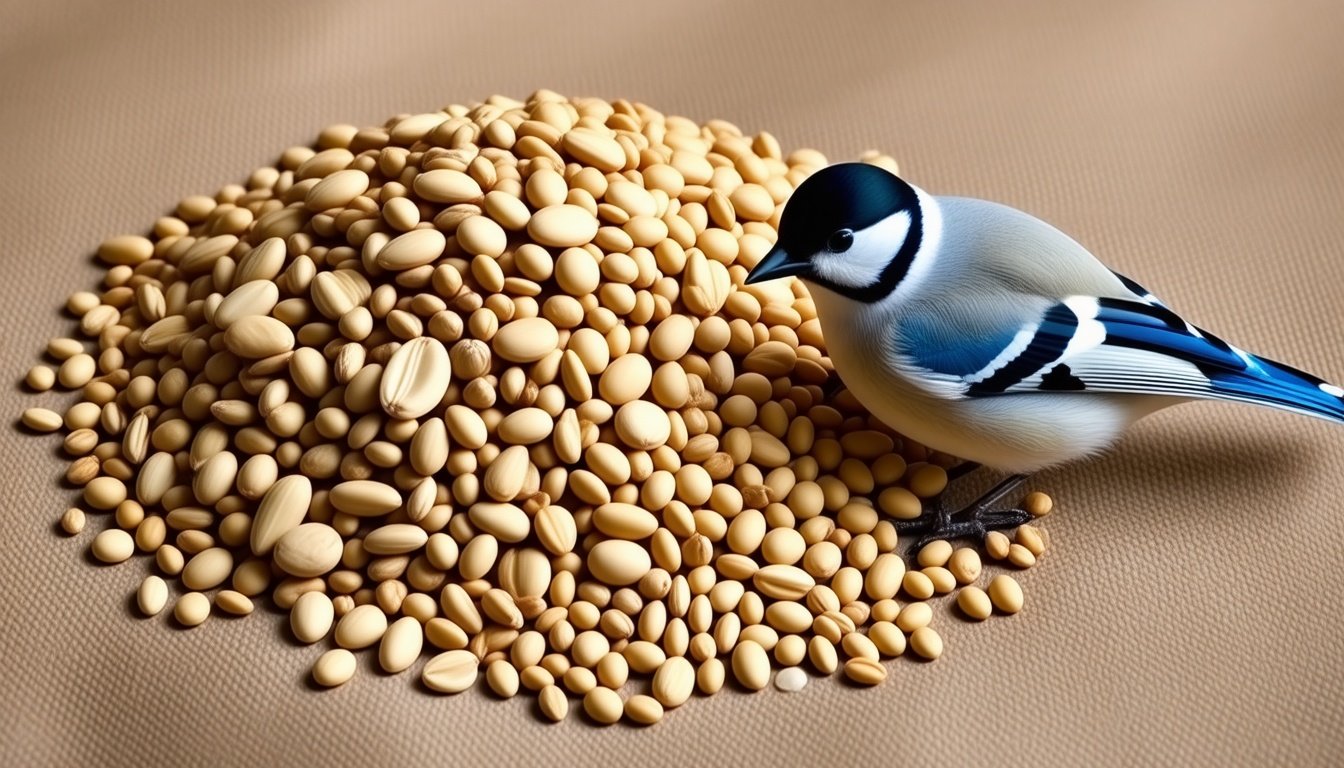
Have you ever stood in your backyard, quietly watching a colorful flash of feathers zip through the branches, wondering what little bird snacks might have lured your feathered friends in the first place? If you have or if you want to, making your own bird seed mix might just be the coolest project for your garden. Not only does it put you in touch with nature, but it also feels kind of like crafting a secret recipe — a love letter in seeds and nuts to the wildlife around you.
Why homemade seed mix? Well, store-bought mixes are handy, sure. But often, they come filled with stuff birds do not really like or even eat. Plus, they might contain fillers that mess with your budget or bring in unwanted guests like squirrels or pests. DIY mixes give you control — you pick the ingredients, you choose the mix, and you get to say hello to a bunch of happy birds who show up every morning just to say thanks.
What Makes a Bird Seed Mix Awesome?
Before we jump into how to mix it, let us chat about what birds want when they swoop down to snack. Birds are picky eaters, believe it or not. Different birds like different seeds, so the more variety in your mix, the more types of birds might visit.
Most backyard birds love seeds that pack a bite of energy and taste, like sunflower seeds or millet. And if you throw in some nuts or fruit bits, bonus points — you can attract even more feathered visitors. We want to keep this simple, though, so you do not get overwhelmed. Think of it as making a trail mix for birds. Easy to put together and pure joy to watch them munch.
Seeds That Shine in Your Mix
- Black oil sunflower seeds: These guys are the rock stars. Tiny shells, big nutrition, and a favorite for many birds. They attract cardinals, chickadees, finches, and nuthatches.
- Striped sunflower seeds: A bit harder to crack, good for bigger birds like jays and grosbeaks.
- Nyjer (thistle) seeds: Tiny, tiny seeds that finches adore. You will need a special feeder with small holes for these.
- Milo (sorghum): Popular with doves and pigeons, a nice filler that is affordable.
- Millet: White proso millet is a favorite among sparrows, juncos, and doves.
- Cracked corn: Great for ground-feeding birds like jays, sparrows, and doves.
Step One: Gather Your Ingredients
Go on, raid your local garden center, bird supply store, or even that little natural foods aisle at the grocery store. Many of these seeds are easy to find, and you can mix and match by the bag or by the pound depending on your budget and bird goals.
Here is a simple kit for your very first mix:
- 2 parts black oil sunflower seeds
- 1 part millet
- 1 part cracked corn
- 1 part nyjer seeds (optional, if you have a special feeder)
- ½ part shelled peanuts or chopped walnuts (unsalted, please!)
Depending on your local birds, you can tweak this later. For now, this mix attracts a crowd, from sparrows and doves to finches and cardinals.
Why So Many Parts?
Think of “parts” as scoops or handfuls — you can measure with a cup, a big spoon, or whatever you have handy. The goal is balance: too much of one seed, and you might end up wasting the others or feeding just one kind of bird.
Step Two: Get Mixing
Grab a big bowl or a box, dump in your seeds, and stir. You do not have to be a chef here; just blend until things look mixed enough that a handful has a bit of everything. If you spot seeds falling to the bottom or sticking to the sides, no big deal. That just means your mix is real.
If you want to get fancy, you can add bits of dried fruit like raisins or cranberries, or even small pieces of suet for a winter treat. But remember: keep the mix dry and away from moisture, or it will mold and that is bad news for your bird buddies.
Step Three: Choose Your Feeder
Not all feeders are created equal. Tube feeders, platform feeders, hopper feeders — they each work better with different seed types.
- Tube feeders: Great for black oil sunflower seeds and nyjer, especially if you want finches around.
- Platform feeders: Work well with mixed seeds and cracked corn, perfect for ground-feeding birds.
- Hopper feeders: Can handle mixed seeds or larger stuff like peanuts.
Sometimes you might want to have a couple of feeders dedicated to different mixes. For example, nyjer goes into a specialized feeder with tiny holes, or those little finches will just scatter it everywhere. Meanwhile, platform feeders attract a wider variety and let you see the birds up close.
What About Squirrels?
Oh, yes, squirrels. Those furry acrobats that can empty a feeder before you have had your second cup of coffee. They love bird seed just as much as the birds do, but they are a handful.
A few gentle tricks can keep squirrels at bay:
- Place feeders away from trees or fences they can jump from.
- Use squirrel baffles (those plastic or metal discs on poles).
- Choose feeders with weight-activated doors that close for heavy visitors.
- Or just accept the squirrel circus as part of your backyard life — they are entertaining, after all.
Step Four: Fill ‘Er Up and Wait
Once your mix is ready and you have your feeder hung, fill it up and shyly back away. Watch quietly, maybe with a cup of tea or your phone ready to snap photos. The waiting can feel long, but trust me, birds will find their way. The first visitors might be sparrows or finches, but keep watching — soon you will spot cardinals, chickadees, and maybe even a woodpecker or two.
Sometimes, the magic takes a day or two, sometimes just hours. If you see a few seeds left uneaten after a week, tweak your mix. Maybe more black oil sunflower seeds or less millet. Feel the rhythm of your backyard and adjust accordingly.
Keeping Your Mix Fresh
Seeds do not last forever. If they get damp or old, birds might avoid them. Remember to keep your mix stored in a cool, dry place and refill feeders regularly but not in huge heaps that stay for weeks. Freshness counts.
Also, clean your feeders every few weeks with warm soapy water. It helps prevent nasty diseases from spreading among your bird visitors and keeps things smelling good. (Clean feeders definitely mean more birds, which means more happiness.)
Extras for the Ultimate Bird-Feeding Experience
If you want to get a little more daring, try adding some things that replicate what birds find naturally:
- Bits of dried mealworms (great protein boost for insect-eaters like bluebirds).
- Unsweetened coconut flakes (birds love these, and they add texture).
- Chopped apples or pears (small pieces, fresh but not mushy).
- Sunflower hearts for a shell-free option.
These extras can make your backyard the hottest bird hangout in the neighborhood. Just remember: no sugar, no salt, and no processed stuff. Keep it natural.
Why Bother Making Your Own Mix?
Sure, you could buy a bag at the store, pour it in a feeder, and call it a day. But when you make your own, you get to be part of the story. You make choices about what you feed these wild, beautiful creatures who choose to trust you enough to eat in your space. It feels like a small act of kindness and a reminder that we share our world with a lot of chatter, song, and flutter.
Plus, nothing beats the feeling when a pair of bright-eyed finches start visiting regularly, or when your kids get excited to spot the tiny chickadee they have been trying to name. This homemade mix is a doorway to wonder, to patience, and to simple joy.
Final Thoughts
Bird feeding is simple, but it also invites you to slow down. To listen. To see the small things in your environment changing with the seasons and with your choices. And when you make your own mix, you are creating more than food — you are creating connection.
So grab a few seed bags, a big bowl, and maybe your favorite mug of something warm. Mix up some love, sprinkle it in your feeder, and watch your backyard become a bustling café for birds, buzzing with life and little moments that feel huge.