
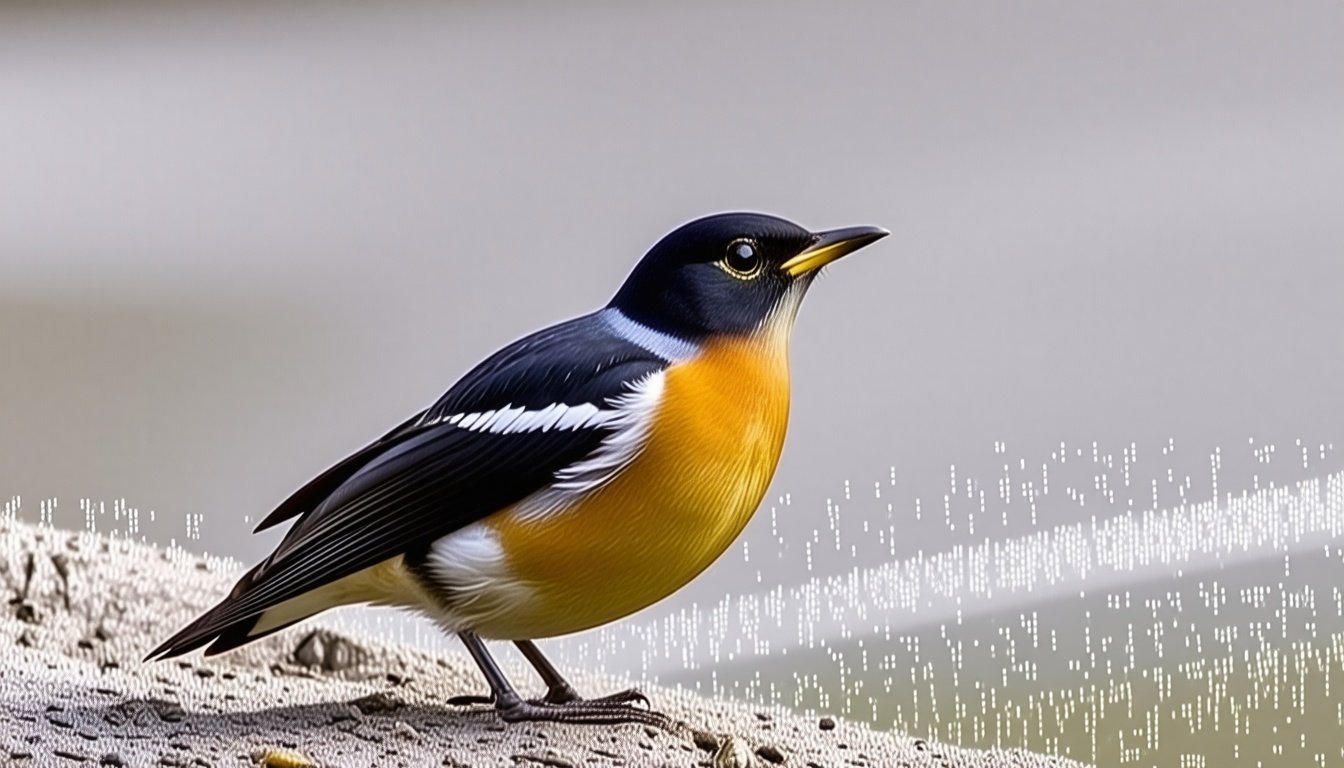
Watching birds flutter around your backyard is one of those simple joys that feels like a tiny holiday in the middle of a busy day. Setting up a feeder is like sending out an open invitation to your feathered neighbors. But here is the catch: the spot you pick for that feeder might not be the perfect party location for the birds you hope to attract. Sometimes it takes a little bit of detective work, a sprinkle of patience, and a dash of trial and error to find where your bird buffet really sings.
You might hang a feeder with hope and excitement, then wait. And wait. And wait some more. No colorful flashes, no sweet chirps — just silence. That’s when the real fun starts: experimenting with the feeder’s location over time and watching how birds respond. This is not just about moving a stick around; it is about tuning in to bird behavior, your yard’s vibe, and even the angles of the sun and wind. You become a bit of a backyard scientist, or maybe more like a bird whisperer-in-training.
Why Location Matters More Than You Think
Birds are much pickier than we give them credit for. They want safety, good visibility, and a place that fits their natural habits. The wrong spot can feel like a trap or just plain boring, so they fly right past it. And who can blame them? You would not want to eat your favorite meal under a glaring spotlight while people stared, either.
On top of that, nature is always changing. Seasons shift, leaves grow or fall away, and predators move through. What worked last summer might be a dud this spring. So, testing and adjusting your feeder’s placement is an ongoing adventure. It means watching closely and tweaking patiently until you find that sweet spot where birds feel like VIP guests.
Start Simple: Pick a Starter Spot and Watch
Before you get fancy, start with a spot that hits some basics. Near a tree or shrub is good because birds can dart to cover if they sense danger. But not so close that predators can lurk unseen. Open enough for birds to spot predators, yet sheltered enough to feel cozy. If your yard has a “quiet corner,” try that first.
Once you hang your feeder, grab a notebook or use your phone to jot down what you see. How many birds visit? What kinds? What time of day are they there? Some might come first thing in the morning, others at dusk. Some just pop in briefly, others stick around for a snack.
Pay Attention to These Details:
- Species Variety: Are you seeing finches, sparrows, woodpeckers, or maybe a cheeky cardinal? Different birds have different preferences, and their presence tells you a lot about your feeder’s appeal.
- Visit Duration: Do birds stay long or just grab and go? If it is just quick visits, maybe they do not feel safe or comfortable.
- Time Patterns: Morning buzz? Afternoon lull? Evening visits? This helps with future adjustments.
- Weather Impact: Notice if visits drop in windy or rainy days. Maybe the feeder needs a more sheltered spot.
Don’t Be Afraid to Move Stuff Around
Birds are like goldilocks—they want just the right spot. That first place might not be right. Try moving the feeder a few feet each time. Maybe closer to that bush, or higher up if you hung it low. Maybe a sunnier patch or somewhere shady. Change the angle to keep it visible but safe.
Keep a rhythm to your moves. Give birds time to find the feeder after you move it—at least a few days, ideally a week. Watch carefully during this time. Sometimes the difference between “no birds” and “flock central” is just a few feet.
Why Small Moves Matter
Birds use familiar landmarks to find feeders. If you move your feeder too far too fast, it might get lost in their mental map. Small tweaks keep it on their radar but improve the vibe. Sometimes moving it toward the sunniest side helps birds warm up while they eat. Other times, a shaded spot in the afternoon keeps the food fresh longer and invites more visits.
Think About Safety First
Birds watch for danger constantly. Cats, squirrels, hawks—they all lurk. If your feeder is too close to places where predators hide, birds will steer clear. You want a spot where birds can spot a cat before it pounces but also have quick escape routes.
Try to place your feeder where it is visible from windows or decks, so you can watch without disturbing your guests. At the same time, avoid spots that put birds in too much human traffic—birds like watchers, but not stampedes.
Extra Tips to Boost Safety:
- Distance: Keep feeders about 10 feet from dense cover where cats might hide.
- Height: Hang feeders 5 to 6 feet off the ground, so squirrels have a harder time raiding them and birds feel secure.
- Multiple Feeders: If you have space, try placing two feeders at different spots. This gives birds options depending on time and mood.
Seasonal Shifts: Your Feeder’s Location Changes, Too
Nature transforms its look with the seasons. Trees bloom, leaves fall, wind patterns alter, and temperatures rise and fall. This means what is great in summer might feel bleak come fall. It is smart to change your feeder’s location with the calendar.
For example, in summer, birds may prefer shady spots to escape the heat. In winter, a sunnier location is kinder. In fall, when trees lose their leaves, you might want to move the feeder closer to remaining shrubs for cover.
The great thing is, you get to “re-decorate” your bird buffet through the year. By moving your feeder around thoughtfully, you keep inviting new species and keeping your regulars happy. It adds another layer of fun to your birdwatching hobby.
Track Your Progress Like a Pro
What if you are not sure what changes are making a difference? Start a little bird journal or use a simple spreadsheet. Track spots where you put your feeder, how long it stayed there, and what birds came by. You do not need fancy gear — just a list and your notes.
At the end of a few weeks or months, look back and see patterns. Maybe one spot draws more cardinals, another pulls in more woodpeckers. One feeder might get visits every day, the other only once a week. Notice if weather or seasons change visits, too.
This kind of tracking turns guesswork into clear clues. It makes moving your feeder feel less like a shot in the dark and more like a fun puzzle you are solving.
Listen to Your Yard
Sometimes, the best advice comes from the birds themselves. They tell you what they like by how often they come, how long they stay, and even the sounds they make. If your feeder is silent for days, maybe it’s time to try a new spot or shake up the food you offer.
Ask yourself: are the birds relaxed or jumpy? Do they come back for seconds? Each visit, each chirp, is a little message. Paying close attention is like having a conversation without words.
Don’t Forget the Squirrels (and Other Visitors)
Squirrels are like the uninvited party crashers of the bird feeder world. They are clever and persistent, often scaring birds away by sheer size or noise. If squirrels dominate your feeder’s area, it might keep birds at bay.
Try moving your feeder away from squirrels’ favorite highways (tree branches or fences they use to leap). Use squirrel baffles or pick spots harder for squirrels to reach. When birds feel the party is safe, they will come back for the fun.
Trust Your Instincts and Enjoy the Process
Sometimes, despite all logic and science, your gut knows the right place. You might notice a shady nook, a spot near your kitchen window, or somewhere that just feels… right. There is joy in trying, failing, moving, and finally succeeding.
Birdfeeding is a journey. It is a way to slow down, watch little lives unfold, and connect with nature’s rhythms. Your backyard is a stage, and your feeder the main act, but the script changes with every tweak you make.
So, grab a cup of tea, find a comfy chair, and enjoy the show. Your perfect feeder spot is out there, waiting for you and your feathery friends to find it together.