
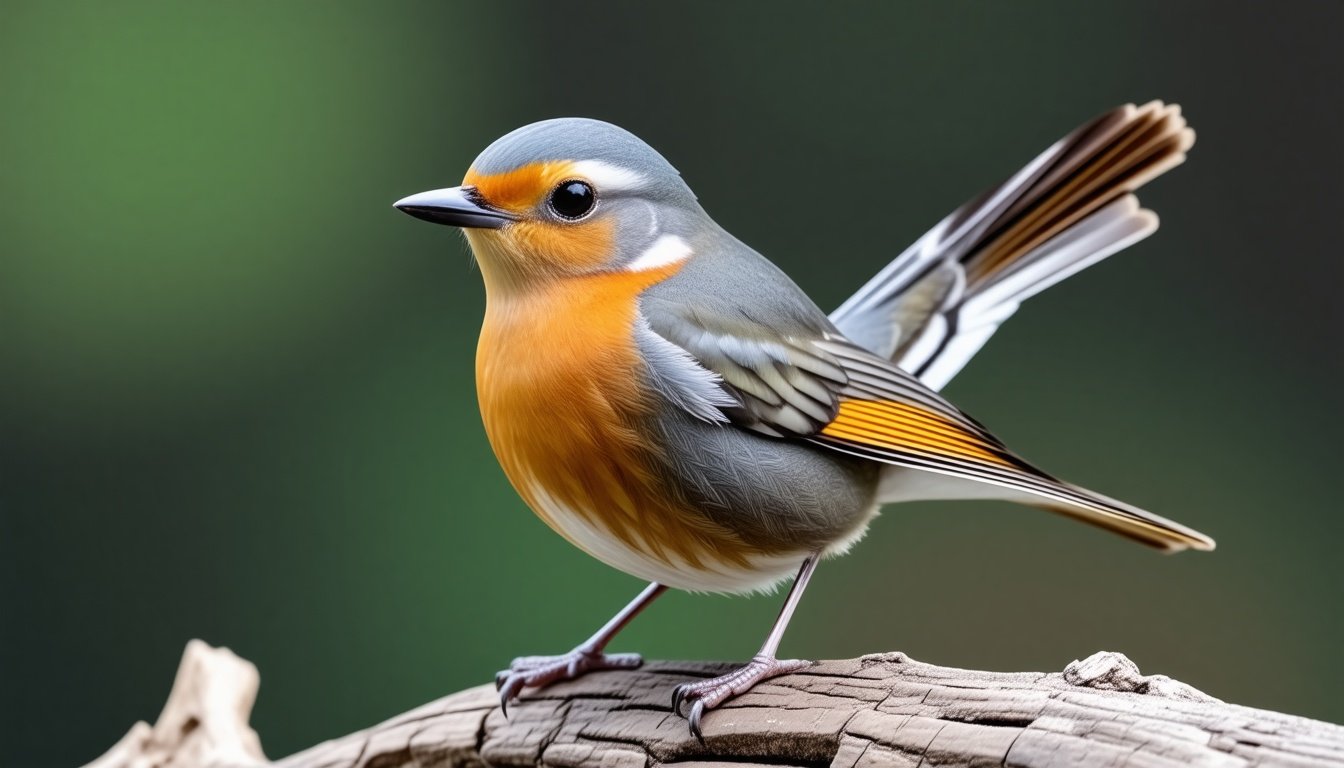
Have you ever stared out your window, binoculars in hand, trying to spot “that bird” you always hear about? You know, the one everyone says shows up in every backyard, every park, every tiny patch of green in town? But then you wonder—what does it even mean for a bird to be “common” around here? Is it just about seeing a certain feathered friend every day, or is there something more behind those familiar chirps and flutters?
Like many backyard birdwatchers, I once thought common meant “easy to see.” It kind of makes sense, right? The birds we notice most often are the ones hanging out at our feeders or singing loudly from the trees. But as it turns out, “common” is a bit trickier—and way more interesting—than just a simple matter of counting heads.
What Does “Common” Actually Mean?
When bird lovers say a bird is “common,” they often mean it is frequently seen in a particular area. But does that mean the bird is everywhere, always? No way. Some “common” birds might only show up during part of the year or hang out mostly in one neighborhood. Others might be easy to spot only if you know exactly where to look.
Think of it like your favorite restaurant. Just because it is popular in town does not mean every single person eats there every day. Still, it is known, it is visited often enough, and it stands out compared to the unusual or rare spots that only a few folks have tried. That is kind of what “common” means about birds: known, seen often, and familiar.
Commonness Depends on Where You Are
What is common in one place might be rare in another. A chickadee is just a regular little songbird in much of North America, but that same chickadee might be a total stranger if you lived halfway around the world. Similarly, a bright red cardinal is everyday backyard company in the eastern United States, but it would be a real oddball in California or Alaska.
When you look out your window, your “common” birds are the ones that have found the perfect spot to live and thrive near you. Maybe your yard has lots of oak trees, good water sources, or a friendly neighborhood cat-free zone. These little factors make all the difference.
Why Do Some Birds Become So Common?
Not all birds are created equal when it comes to hanging out near humans or surviving urban sprawl. Some are super adaptable. Others? Not so much.
Let us break down why some birds get the “common” label:
- Food Availability: Birds that can find plenty of food near people tend to stick around. Think of pigeons pecking at crumbs in the park or sparrows hopping around bird feeders.
- Habitat Tolerance: Birds able to live in cities, suburbs, and even small farms often become common because they do not need untouched wilderness to survive. House sparrows, starlings, and crows are great examples.
- Reproductive Speed: Some birds have babies quickly and often, meaning their populations grow fast. More birds usually lead to more sightings.
- Migration Patterns: Birds that stay in one place year-round, or those that migrate through your region every year, can seem especially common during certain seasons.
- Human Influence: Sometimes people intentionally or unintentionally help birds become common. Planting native berry bushes, setting up bird feeders, or even altering the environment can create a perfect bird hangout.
Species That Made Friends With Humans
Take the example of the American robin. You know that songbird with the bright orange belly seen in yards almost everywhere? Robins love to nest in human-friendly spaces, feast on worms and berries found in gardens, and tolerate a fair amount of human noise and activity. No wonder they feel right at home.
Or what about chickadees—the tiny, cheeky birds that can bravely hop right onto your hand if you hold some sunflower seeds? Their fearless curiosity and ability to survive harsh winters make them common visitors in many backyards.
These birds show that being common often means being clever and flexible.
Does Common Mean Boring?
Not at all!
Just because a bird is seen a lot does not mean it is dull. In fact, “common” birds often tell the story of the land and people around you better than rare or flashy birds could. They are part of your neighborhood’s daily soundtrack.
Plus, learning about your common birds can change your whole backyard experience. That nondescript brown bird might seem ordinary until you figure out it is a clever mimic or a fearless feeder guard. Suddenly, your daily birdwatching feels like a secret club with a code only you know.
How Common Birds Inspire DIY Fun
Speaking of feeders, one reason backyard birdwatching feels special is because you get to be a host. When you build or hang your own bird feeder, you are kind of like the local coffee shop owner inviting familiar faces through the door.
Different birds prefer different snacks. House finches love thistle seeds; woodpeckers crave suet cakes; chickadees are fanatics for sunflower seeds. When you understand which birds show up most often, you can tailor your DIY feeders to their tastes. The result? More visits, more songs, more color fluttering right outside your window.
How to Notice Your Own “Common” Backyard Birds
Want to figure out which birds qualify as the stars of your yard? Here are some ideas to help you spot your neighborhood regulars and appreciate their unique habits:
- Keep a Bird Journal: Write down what you see, when, and where. Over time, patterns will appear, and your “common” birds will stand out.
- Use Simple Field Guides or Apps: Books with pictures or free phone apps can help identify birds quickly and easily.
- Set Up Different Feeders: Watching which feeder attracts the most birds can tell you a lot about your common residents’ preferences.
- Listen Up: Songs and calls are often clues. You do not need to be an expert; just pay attention to who sings when and how often.
- Invite Friends: Sometimes two eyes are better than one. Share your spot with friends or family and swap stories about your feathered visitors.
Patience Pays Off
Birdwatching rewards quiet attention. The real magic is in those slow, easy moments when you start recognizing the regular faces and anticipating their visits. Suddenly, “common” does not mean ordinary. It means familiar, beloved, alive.
What Your Common Birds Say About Your Backyard
Every backyard tells a story, and the birds you see often are the storytellers. Their presence reflects what kinds of plants you have, how clean your water sources are, and even how balanced the local ecosystem feels.
If you notice your common birds changing—maybe a once-regular robin is missing or a different species shows up more often—it could be nature’s way of giving you a little nudge. Maybe the seasons shifted early. Maybe something in the food chain shifted. Or maybe your backyard itself has changed.
Paying attention to common birds makes you a nature detective. You start to understand the rhythms of your local world better than you thought possible.
How to Help Keep Your Common Birds Happy
Since these birds rely on your area, a little backyard TLC goes a long way:
- Plant Native Flowers and Shrubs: They offer natural food and shelter.
- Keep Bird Baths Clean: Fresh water makes a big difference.
- Avoid Pesticides: Chemicals can harm birds and their insect food.
- Build or Maintain Birdhouses: Safe places to nest mean more bird families next year.
- Offer Variety in Feeders: Mix sunflower seeds, suet, millet, and more to attract diverse visitors.
When a “Common” Bird Surprises You
Ever had a bird you thought was just “normal” suddenly show a surprising trick? Maybe a common sparrow mimicked a hawk’s call, or a familiar chickadee used a tool to get food. Those moments shake up our assumptions and remind us that every bird has its own quirks.
That is the secret joy of backyard birdwatching: even the most common birds hold stories, mysteries, and small surprises that can brighten your day.
Final Thoughts for Fellow Bird Lovers
In the end, what makes a bird common in your region is a blend of nature, place, and you. It is about who chooses to live nearby, who manages to find food, shelter, and safety. But it is also about how often you notice them, how much you invite them in with feeders and kind eyes, and how patient and open your heart is to the little visitors daily fluttering by.
The next time you see a regular garden bird, pause for a moment. Think about how it got there, what it needs, and how it fits into the world right outside your window. You might just see your “common” bird with new wonder—and trust me, that makes all the difference.