
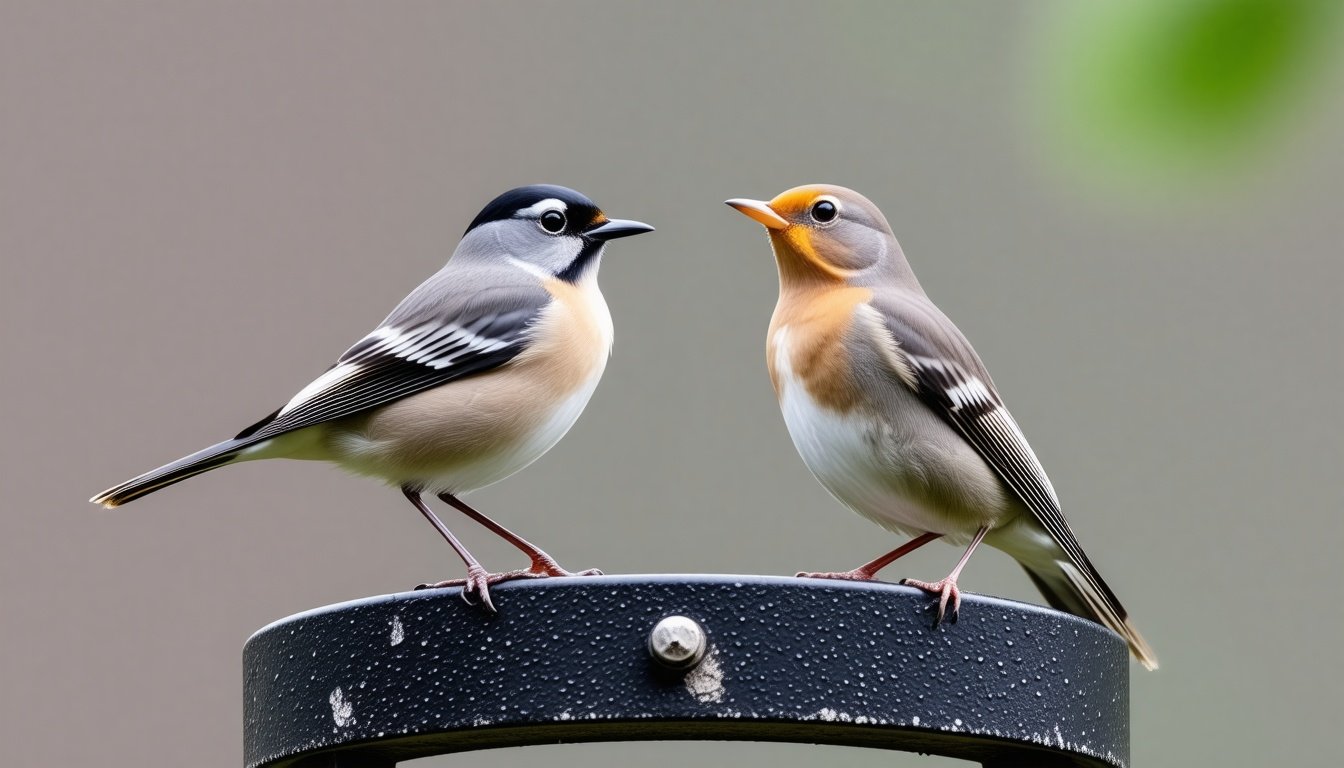
Have you ever felt that quiet thrill when a flash of feathers catches your eye just outside your window? Maybe it was a bright red cardinal or a cheeky little chickadee hopping from branch to branch. Birdwatching in your backyard feels like stealing a secret peek into a world that usually zooms past too fast. But here is a little secret—picking the right time of day can turn those fleeting glimpses into a delightful full-on spectacle.
If you want to get the most out of these colorful visits, knowing when your feathered guests are most active can make all the difference. Why wait for a lucky moment when you can plan your birdwatching around their schedule? That way, you get more fun, more birds, and less guesswork. Plus, it feels like the birds are showing up just for you, on your command.
The Early Bird’s Feast: Dawn Delight
The phrase “early bird gets the worm” exists for a reason. Dawn is when backyard birds are at their liveliest, and if you sneak outside just as the sky turns soft pink or orange, you will be rewarded. The world is quieter, the air feels fresher, and the birds? Oh, they are busy busy busy.
Why are birds so active in the early morning? Imagine waking up after a long night and realizing you need to fuel up for the day. Birds spend the dark hours resting, and once the sun rises, it is time to find food. Worms wiggle near the soil surface, insects start buzzing, and seeds glisten with morning dew. It is a buffet ready to be devoured.
So, when you step out with your binoculars or just peek through the window, you might see a neat parade of species. His little song bursts out from a nearby tree. Over there, a woodpecker taps away, making a rhythm you did not know could exist in your backyard. Sometimes, a pair of robins even plays a game of chase or shares a breakfast snack.
- If you want to attract more early risers, consider hanging fresh feeders packed with sunflower seeds or mealworms the night before.
- Adding a little water in a shallow dish can also bring in thirsty guests getting their first sip of the morning.
- Patience is your best friend here. Sit quietly or keep movement slow and gentle to avoid scaring the birds away.
Late Morning Lull: The Quiet Pause
Now, you might be wondering if the late morning hours hold any magic. Honestly? This part of the day tends to be quieter for birdwatching. After their morning feast, many birds take a break. Some hide in the shade to escape hotter sunshine, while others seem to nap or preen their feathers under the warmth of a sunbeam.
This is actually a nice time for you to take a breather or do some bird feeder maintenance. Have you ever tried building a homemade feeder? It is surprisingly fun, and tinkering with your bird buffet during this lull means your feathered friends will find fresh treats waiting when they come back later.
DIY Feeder Tips for Maximum Morning Appeal
- Use clean, safe materials—old pine cones, empty plastic bottles, or even orange halves can make charming homes for seeds or suet.
- Try mixing different seeds like millet, cracked corn, and sunflower to appeal to various species.
- Keep the feeders away from spots where squirrels or other critters can snatch the goodies.
Filling or refreshing feeders during late morning also lets you avoid disturbing the birds when they are most hungry and busiest. Plus, it gives you a chance to peek around and spot features you might have missed earlier—a clever nest here, some feathers there, or even footprints in damp soil.
Afternoon Antics: A Mixed Bag
Afternoon birdwatching can be a bit of a gamble. Some species rest during the sun’s hottest hours, while others like to stay active, especially when the light softens a little toward late afternoon. If you are patient, you might catch some unexpected visitors—like a flash of blue jay or a busy squirrel chattering in the branches.
One curious thing about afternoons is that birds often come to water sources for a quick splash or sip. If you have a birdbath or a shallow bowl of clean water, this could be your golden ticket. Seeing birds preen while wet feathers sparkle in the sun feels like watching a tiny, messy spa day.
- Keep the water fresh and clean to encourage regular visits.
- Placing the water near feeders or shrubs offers birds quick shelter if a shadow or predator makes a surprise appearance.
- Try to be still and quiet—birds pick up on movement easily and can zip away in a heartbeat.
Afternoon also feels like a good time to practice your bird calls or whistles if you are into that. It might just draw a few curious heads your way, though not every bird appreciates the attempt. Still, it is fun to try.
Golden Hour: Late Afternoon to Early Evening Magic
As the day edges toward evening, something special happens. The sun casts a golden glow, voices soften, and birds usually come out again for one last round of feeding before settling down for the night. It is like watching a calm encore after a busy show.
In these hours, you might spot that same cardinal preening or a family of finches darting between branches. The air feels cooler, the light softer, and the birds seem more relaxed. Fun fact: some species like mourning doves are very active at dusk, cooing softly as they gather and prepare to roost.
One of the best things about this time? It often feels more peaceful and private. You might find yourself alone on the porch, coffee or tea in hand, sharing a quiet moment with your neighborhood birds. Moments like that can feel like little pockets of pure happiness—you know, the kind you want to savor and remember.
Nighttime: The Quiet After the Feathered Storm
When darkness falls, most backyard birds tuck themselves away to rest. But if you listen closely, you might hear the hoot of an owl or the flutter of bats. Night is a time for silence in your backyard, perfect for you to dream up your next DIY feeder or plan tomorrow’s birdwatching schedule.
What to Watch for Tomorrow
- Try setting up feeders near trees or shrubs for early morning cover.
- Think about putting out different seeds or suet depending on the season.
- Notice which birds were missing today—maybe they come around at another time.
Patience and observation over days will reveal your backyard’s unique rhythm, almost like getting to know an old friend bit by bit.
Wrapping Up Your Day with a Birdwatcher’s Smile
Birdwatching is not just about spotting feathered creatures—it is about slowing down, paying attention, and feeling connected. The best part? It takes you outside yourself and into a world where simple moments shine.
You do not need fancy equipment or expert skills. All you need is a little patience, some good timing, and maybe a DIY feeder that you built with love. And remember, no two days are ever the same. Some mornings might be bursting with birdsong, others quiet and still. Both are okay, because every glance out your window is a chance to witness nature’s small miracles.
So next time you wonder when to go birdwatching, try visiting your backyard early in the morning or late in the afternoon. Pack a warm drink, bring along your favorite chair, and get ready to meet some feathery friends who have been around all along—just waiting for you to notice.