
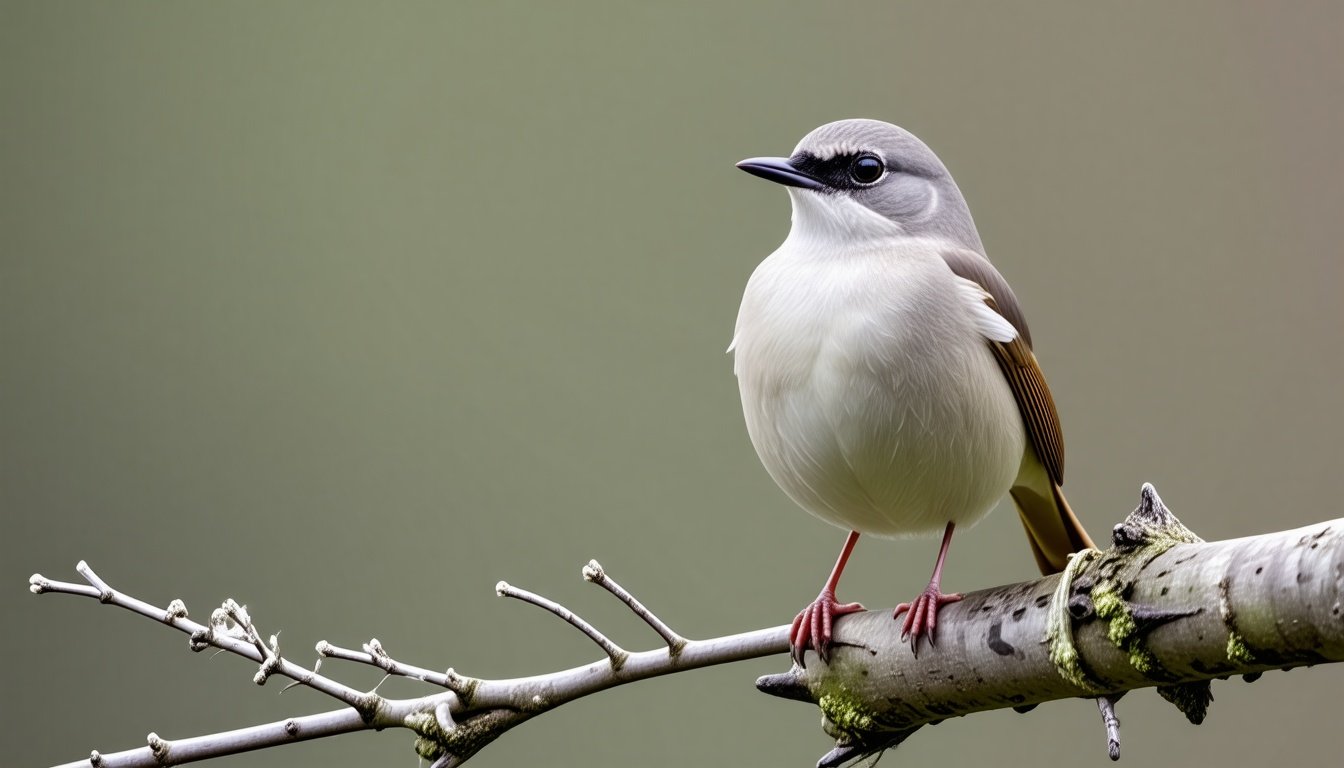
You know that warm feeling you get when a little bird hops onto your backyard feeder, tilts its head, and seems to say “Hey, thanks for the snack”? It is a tiny moment, but it feels like a secret handshake between you and the wild. Birdwatching at home is one of those small joys that makes the world seem quieter, kinder, and a little bit more enchanting. But here is the thing: birds are not just pretty decorations for our gardens. They are living, breathing creatures with their own rhythms, worries, and needs. And if we want to keep enjoying their company, we have to treat them right.
This is where birdwatching etiquette steps in. It is not about rules that suck the fun out of things. It is about respect, patience, and knowing when to hold back. Think of it as the secret ingredient that turns casual watching into a heartfelt connection. So if you are the kind of person who loves setting up DIY feeders or just sneaking a peek out the window, here is how to be the kind of birdwatcher that birds would actually trust—and maybe even like.
Why Respect Matters More Than You Think
Birds are delicate. You might see them darting around like little superheroes, but their lives are filled with danger and stress that we rarely think about. They have to find food, avoid predators, keep their feathers spotless, and raise their babies. When we throw snacks their way or get too close, it can throw off their whole day. Sometimes, it might even put them in harm’s way.
Have you ever tried to peek at a rare bird and noticed it fly off as soon as you got near? That is a tiny act of stress on its part. Stress, for birds, means wasted energy, and wasted energy might mean less food in their bellies or weaker chicks. When you think about it like that, birdwatching is not just about fun. It is a gentle responsibility.
Birds are not pets. They do not live for our amusement.
We love watching them, sure. But they live for themselves, not for our backyard shows. So the best thing we can do is make our birdwatching corners safe, peaceful, and inviting without being pushy.
Make Peace with Patience
Birdwatching is not a speed race. It is more like meditation or slow dancing with silence. We want to see birds, but we also want them to forget we are there. That means getting comfy, dialing down the noise, and learning the art of waiting.
- Give your feeders time: When you hang up a new feeder, do not be surprised if birds do not flock immediately. It can take days or even weeks for neighborhood birds to discover and trust it.
- Watch quietly: Loud voices, sudden movements, or banging on windows tend to scare birds off. Try whispering—or better yet, just smiling and breathing deeply.
- Be patient with your DIY feeders: Sometimes homemade feeders are a hit, sometimes they are meh. Don’t dump your little project just because the birds are not lining up. They have their own timetable.
Patience sounds simple but it takes practice. It is tempting to want instant results, yet what you get with patience is richer: a true moment of connection that feels like nature’s little secret between you and your feathered friends.
The Golden Rules for Putting Out Food
Feeding birds can be a wonderful way to invite them closer. But if you want to do it right, there are some basics to remember. Forgetting these can turn your bird buffet into a fast food nightmare or worse, a danger zone.
Pick the right food
Not all seeds or snacks are bird-friendly. Black oil sunflower seeds are like gold for many backyard birds; they are tasty and packed with fat and protein. Avoid feeding bread or junk food. It is not bird food—it is bird junk food. It can cause illness and pollute the environment.
Keep things clean
Moldy seeds or dirty feeders are a no-go. They can make birds sick. Check your feeders every week, empty old stuff, scrub them in hot water, and refill with fresh food. It may seem like extra work, but your birds will stick around longer if you do.
Do not overfeed
It is tempting to pile the feeder high and forget about it. But too much food can attract unwanted guests like squirrels, rats, or even predators. Plus, birds only eat what they need. Dumping excess seeds means waste and mess.
Think about Safety
Your backyard might seem cozy and safe, but there are hidden dangers for birds lurking everywhere. Cats, windows, pesticides, and even poorly placed feeders can be hazards. Here is how to play it safe:
- Keep cats indoors or supervised: Cats are natural hunters and can scare or hurt birds in seconds. If you have a cat, consider a “catio” or leash time.
- Place feeders near cover: Birds love having nearby bushes or trees where they can hide if they sense danger.
- Prevent window strikes: Birds often do not see glass and crash into windows, which can injure them badly. Use decals, screens, or move feeders away from windows to reduce collisions.
- Avoid pesticides: Chemicals that kill bugs are also harmful to your bird visitors. Try natural pest control or just accept that some bugs are part of the ecosystem—and really, your bird friends rely on them.
Respect Nesting Season
If you want to impress the birds, nothing says “I respect you” like giving them space when they are nesting. This time is intense for birds. They are busy building homes, incubating eggs, and feeding hungry chicks. Interruptions can mean disaster.
Do not touch or move nests. Resist the urge to get closer for a better photo or look. Keep feeders and birdbaths at a respectful distance during spring and early summer. Let the birds be. Watch from afar and enjoy the miracle quietly.
DIY Feeders: Make Them Bird-Friendly
DIY bird feeders are fantastic. They add charm, creativity, and a personal touch to your garden, but they must be friendly to birds and safe.
- Choose materials wisely: Wood, natural fibers, and non-toxic paint work well. Stuff made from sharp metals or toxic plastics? Nope.
- Keep it cleanable: Birds enjoy fresh food. Your feeder should allow easy cleaning to avoid germs.
- Design with birds’ needs in mind: Think about where seeds land, how birds perch, and how you can minimize seed waste on the ground.
- Watch how birds respond: If a feeder does not seem popular or if birds avoid it, tweak your design instead of forcing it.
Leave No Trace
Birdwatching does not mean littering your yard with seed shells, plastic wrappers, or broken feeder parts. Cleaning up after yourself keeps the environment safe and pleasant not only for birds but for neighbors and other critters.
Be mindful of seed waste on the ground, which can attract unwanted pests or mold. Use feeders that limit mess or gently sweep under the feeder every few days. Your bird visitors will thank you (even if they cannot say it aloud!).
Know When to Step Back
Here is a little secret: sometimes the best way to enjoy birds is to watch from a distance and let them come to you in their own time. Over-eager birdwatchers can scare away shy ones or cause stress without even realizing it.
Give birds control over the encounter. Let them decide how close they want to get. You can make your backyard a peaceful sanctuary by turning down noise, moving slowly, and letting your eyes do the watching more than your hands or feet.
Teaching Kids to Love and Respect Birds
Birdwatching is a perfect way to get kids excited about nature, but it works best when we show them how to be gentle and kind observers. Teach children to whisper, move slowly, and not poke at feeders or nests.
Make it fun! Celebrate every bird spotted with happy claps or silly bird calls. Create bird crafts together. And most importantly, show them that every feathered visitor is a tiny animal with feelings and needs.
Birdwatching Brings Us Closer
Watching birds from your own backyard can be a calming, joyful pause in a busy day. When done right, it feels like sharing a secret with the wild world. Respecting birds means more than following a list of tips. It means feeling the heartbeat of nature and acting with kindness.
Next time you spot a bird at your feeder, pause for a moment. Think about the incredible journey it made just to visit you. Your little acts of respect—patience, quiet, care—create a safe space that welcomes these tiny travelers with open wings.
And really, what could feel better than that?