
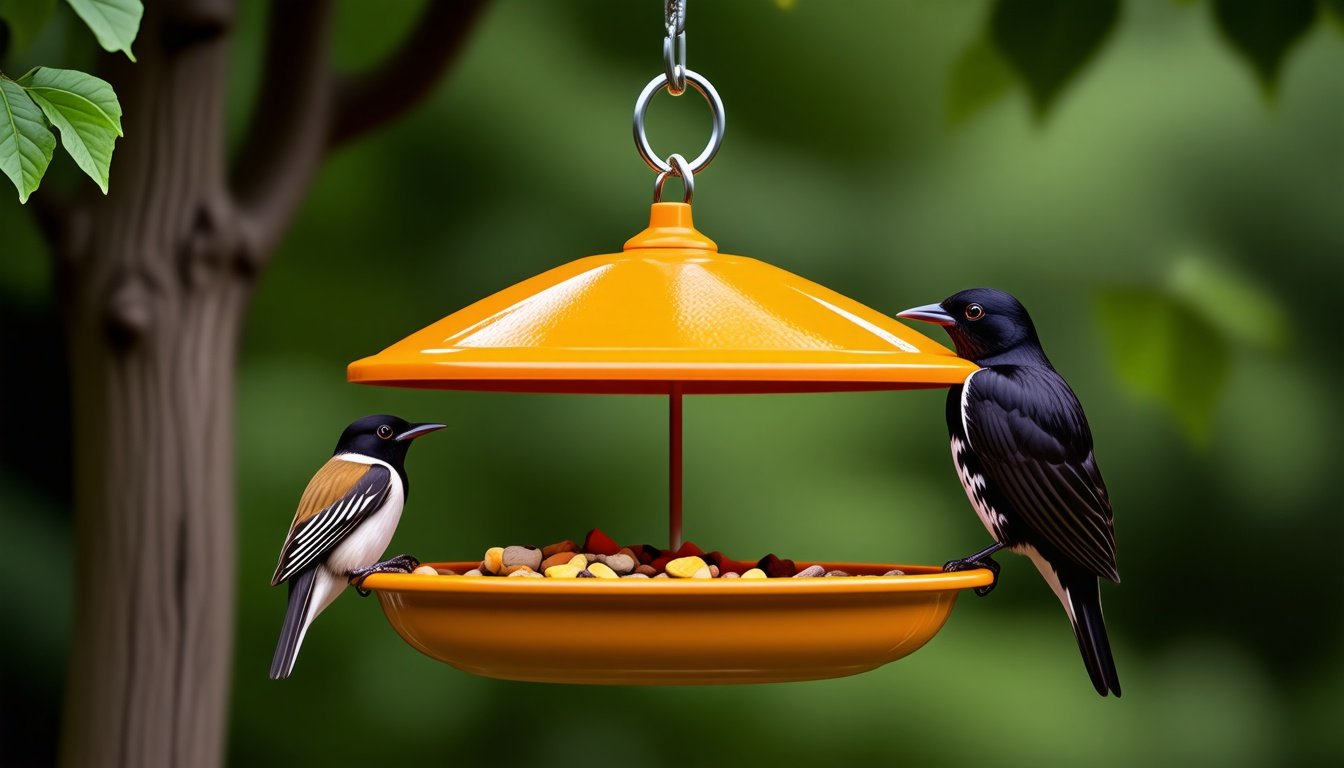
Have you ever spied a flash of vibrant orange darting through your backyard and wondered, “Who is that dazzling visitor”? Chances are you have just caught sight of an oriole. These birds are like little drops of sunset flitting among the trees, and they deserve a prime spot at the birdfeeding table. Enter the hanging orange feeder—a simple, charming invitation that your neighborhood orioles (and some other feathered friends) will find hard to resist. If you want to turn your backyard into a birdwatching hotspot, this is a delightful way to start.
Let me tell you, creating a little stage for orioles to feast on juicy orange slices is one of those birdwatching joys that fills your heart in a way few things do. You get to see their bright orange feathers glow in sunlight, hear their soft trills, and experience a unique connection to the world outside your windows. And the best part? It is easy, inexpensive, and a little bit fun to make your own hanging orange feeder.
Why Orioles Are Not Your Usual Bird Visitors
Before you rush out to hang an orange, let us pause and talk about who orioles are and why they matter. Orioles are not the birds you see pecking on the ground or flapping around your typical seed feeders. They love the sweet stuff—nectar, fruit juices, and insects that come with spring and summer. Their bright colors and somewhat shy demeanor make them a special guest at your backyard party.
These birds have long, slender bills perfect for sipping nectar or carving into soft fruit. A few oranges hanging from a branch, or a feeder specially made to hold slices, can become their favorite spot. It is like setting out a gourmet buffet, and trust me, they will remember it.
Which Orioles Might Visit Your Yard?
- Baltimore Orioles: Iconic in the eastern and midwestern United States, their brilliant orange and black feathers are unmistakable.
- Bullock’s Orioles: More common in the west, they sport a slightly different pattern but are equally lovely.
- Hooded Orioles: Found further south, especially in Texas and parts of Mexico, with bright orange bodies and black hoods.
Regardless of the species, orioles tend to enjoy the same treats. They crave sweet, juicy fruit and nectar. This preference is what makes the hanging orange feeder so perfect: it speaks their language.
Getting Started: What Is a Hanging Orange Feeder?
If you are imagining some fancy contraption, stop for a second. A hanging orange feeder can be just a half orange, a whole orange, or orange slices, strung up carefully in your backyard. The simple idea is to provide fresh, juicy orange pieces that orioles can land on, peck at, and sip from. It is low-tech but high-fun.
You might ask, “Why not just toss some fruit on the ground or in a bowl?” Good question. Fruit on the ground gets dirty, attracts ants or rodents, and might go unnoticed by birds who want a safe perch. A hanging feeder keeps the fruit clean, visible, and safe from unwanted visitors. Plus, hanging it from a tree branch or a hook lets orioles show off their acrobatics as they cling and dangle while they feed. It is like front-row seats to a tiny circus.
Materials You Need
- Fresh oranges (slices or halves)
- Strong string, twine, or thin wire
- A sharp knife (handle with care!)
- Scissors
- Optional: A small dish or platform to catch drips
- Optional: A wire hanger or wooden dowel for stability
The beauty is in its simplicity. Many backyard bird lovers use what they already have: a sturdy tree branch, some string, and a juicy orange. No rocket science here, just a little bit of love and patience.
How to Make a Hanging Orange Feeder
If you feel like a DIY project with instant rewards, this one is for you. It is simple enough to do with kids, and watching the orioles arrive will feel like a little celebration.
Step 1: Pick the Perfect Orange
Choose an orange that is firm but ripe—too hard and the birds will struggle, too mushy and it will rot quickly. Navel oranges work well because they hold their shape. Avoid overly waxed oranges; natural is best.
Step 2: Slice or Halve
You can slice the orange into rounds about half an inch thick or cut it in half. Halves are easier to hang but slices mean more servings and a prettier display.
Step 3: Poke the Orange
Using your knife or a skewer, poke two holes through the slice or half, from one side to the other. This is so your string or wire can thread through to hang the fruit securely. Make sure the holes are near the edges, so the orange hangs flat and steady.
Step 4: Thread It Up
Carefully thread your string through the holes. If you want, tie a small loop on top to hang it from a branch or hook. You can also tie a knot at the bottom to keep the orange from slipping off the string. If you prefer, use a wire hanger bent into a stable support and balance the orange pieces on it.
Step 5: Hang Your Feeder
Pick a spot near trees or shrubs, where orioles feel safe. Think about a spot with some shade and shelter from wind. You want your feeder visible but not in direct sun all day to keep the fruit fresh longer.
Bonus tip: Hang multiple slices at varying heights. More feeding spots means more hungry orioles. It also makes your yard look like the bird version of a fancy fruit platter.
Who Else Loves Orange Feeders?
Orioles are the star guests, but you might be surprised who else stops by. Other birds, insects, and even squirrels might develop a taste for your orange buffet. Watch closely—you might see:
- Catbirds: They often enjoy fruit and may sneak a sip.
- Warblers: Bright little birds that sometimes enjoy fruit juice.
- Robins: Fruit-lovers that might come for the fresh treat.
- Hummingbirds: Though they prefer nectar feeders, they sometimes sip fruit juice.
While squirrels might try to raid the feeder, a hanging design makes it trickier for them to grab large chunks. You can also experiment with small cages or mesh covers if you want to keep squirrels at bay.
Keeping Your Feeder Fresh and Friendly
One of the few chores with a hanging orange feeder is keeping it fresh. Fruit can rot quickly in warm weather, which is not just unappetizing for birds but can also attract unwanted visitors.
Tips for Maintenance
- Change the oranges every day or every other day, especially in hot weather.
- Rinse your string or hanger if they get sticky or dirty.
- Move the feeder occasionally to discourage ants and other insects.
- Clean or replace the platform or drip catcher regularly to avoid mold buildup.
It is a little routine, but the payoff—bright orioles showing up to snack—is worth every minute.
Extra Ideas for Your Orange Feeder Setup
If you want to get creative, there are a few ways to jazz up your feeder while still keeping things easy.
1. Add a Sugar Water Drip
Orioles love nectar, so you can drip some sugar water on the orange slices to sweeten the deal. Mix one part sugar to four parts water and apply lightly.
2. Mix in Grape Halves or Other Fruits
Orioles enjoy a variety of juicy fruits. Try hanging halves of peeled grapes, or pieces of ripe peach or mango alongside your oranges.
3. Use a Small Tray or Dish Underneath
This catches the juice drips and prevents sticky spots on your porch or grass. Bonus: it might attract tiny insects that, in turn, attract insect-eating birds.
4. Build a Mini Feeding Station
Using lightweight wood or a repurposed birdhouse, create a structure where you can hang several fruit feeders. It adds a charming touch to your yard and makes refilling easier.
Waiting and Watching
Once your feeder is up, get ready for the show. Patience is part of the fun. Orioles can be shy at first, taking time to discover your gift. You might see a quick lover’s peck or a slow, careful sip. Sometimes they will come with their mates, sometimes alone. Each visit feels like a secret shared between you and the wild.
Keep a pair of binoculars nearby, or simply sit quietly with a cup of coffee and enjoy. Watching a bird as bright as an orange itself, feeding on the real thing you hung with your own hands, feels like a little miracle. It makes the noise of the world slow down even if just for a moment.
Making Memories with a Simple Orange Slice
At the end of the day, the hanging orange feeder is more than just a treat for your local oriole population. It is a way to bring nature closer, to remind ourselves that beautiful creatures thrive all around us, often unnoticed. Something as small and simple as a slice of orange can build a bridge between the everyday and the extraordinary.
So grab an orange, find some string, and hang a little piece of magic outside your window. Your backyard will thank you, the orioles will too, and you just might find yourself falling a little deeper in love with the wild world right outside your door.