
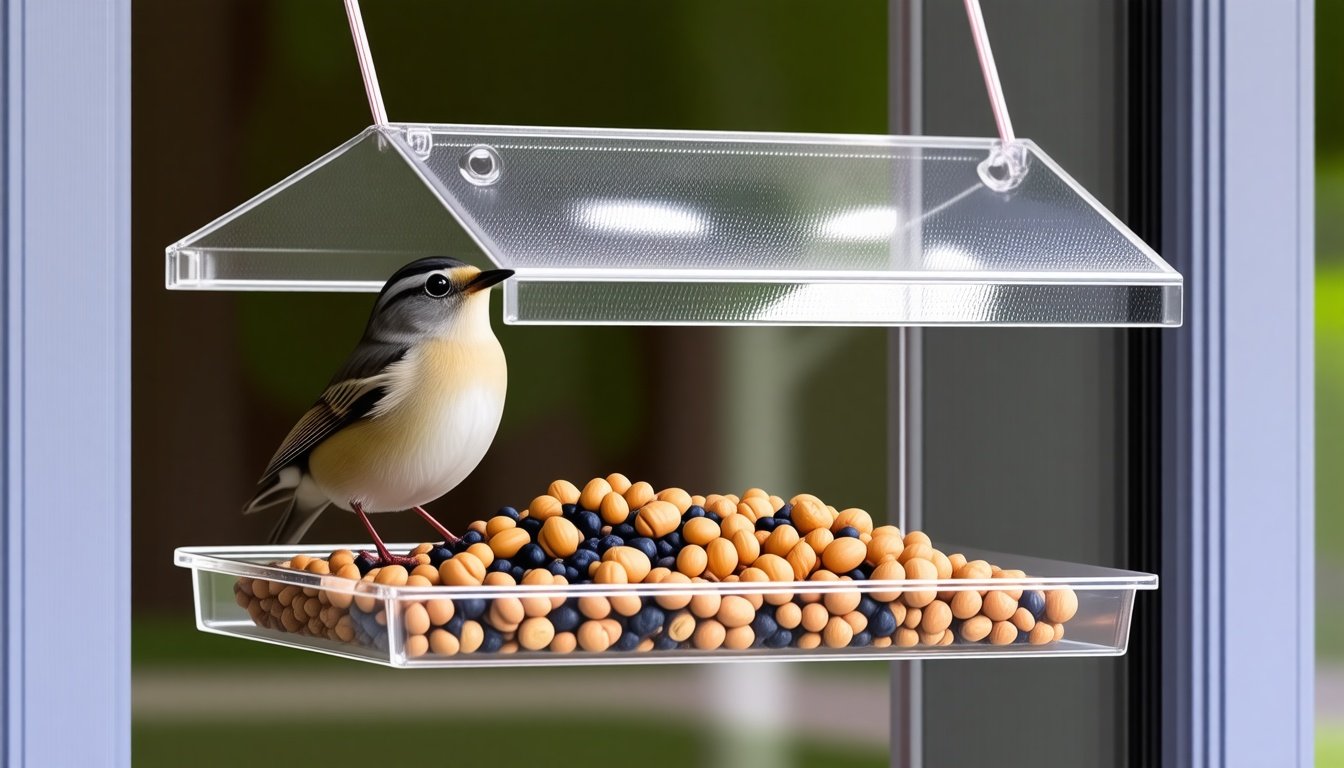
Ever found yourself squinting out the window, dreaming about getting closer to the lively, feathered folks that visit your yard? You want to watch them without worrying they will flutter off the moment you open the door or make a sudden move. Well, a window-mounted bird feeder might just be your new best friend. Not only does it bring birds practically to your fingertips, but it offers a front-row seat to their little dramas, acrobatics, and downright adorable behavior.
Now, before you picture some fancy, complicated contraption that takes a PhD in engineering to build, let me stop you right there. What if I told you that you could put one together yourself, out of acrylic, in a way that is sleek, easy to clean, and—bonus—super sturdy? Yep, you heard me. Acrylic window feeders are a brilliant idea, and building your own can be as satisfying as watching the first curious chick land on the perch.
Why Acrylic? Why Window-Mounted?
You might wonder why acrylic, of all materials? Well, acrylic is clear like glass but much tougher, so you get that fantastic, see-through effect with way less chance of breakage. It is lightweight, which means you will not be wrestling with a heavy feeder every time you need to refill it or give it a good wash. Acrylic’s smooth surface makes cleaning pretty much a breeze. And since it sticks right on the window, you get those up-close, heart-melting views without needing to go outside and risk scaring your tiny visitors away.
Window feeders bring birds right to eye level, which is perfect if you love snapping photos or just want to feel like you are part of a nature documentary. Plus, you do not need a big backyard for this to work. Apartment dwellers, condo residents, or anyone stuck in a spot with limited green space—this project is for you.
What Will You Need?
Before we jump into craft mode, let us gather the right stuff. You do not have to become a hardware store ninja overnight, but these materials are the building blocks for success:
- Clear acrylic sheet – about 1/8 inch thick and at least 12 by 12 inches (you can get this cut to size at a local hardware store or order online)
- Suction cups with hooks or strong suction cups specifically designed for feeders (you want these to hold well against your window)
- Silicone adhesive or acrylic-safe glue (to hold pieces together)
- Acrylic cutter or fine-toothed saw (some stores will cut your acrylic for free or for a small fee)
- Sandpaper (fine grit for smoothing edges)
- Plastic ruler and marker
- Birdseed mix (sunflower seeds work well for most birds)
- Optional: small wooden dowel or acrylic rod for the perch
Don’t worry—it is not a crazy long list. You might already have some of these hanging around. If not, they are easy to find.
Step One: Designing Your Feeder
Think about what you want your feeder to look like. A basic window feeder shape is a box with an open front where the birds can perch and grab seeds. Here is what works:
- Back panel: This will be the big acrylic piece that sticks flat against your window.
- Bottom tray: Holds the birdseed so it does not spill everywhere.
- Sides: These keep the seeds in place and give a little shelter.
- Perch: Not absolutely necessary, but birds love to sit somewhere comfy.
Try drawing your plan on paper first. Nothing fancy—just lines and measurements. For the bottom tray, a shallow box about 3 inches deep is perfect. You want enough space for seed, but not so deep that the birds get buried. Sides should stand about 4 to 5 inches tall to keep the seeds from spilling out, but still give open visibility.
Step Two: Cutting and Preparing Acrylic
If you do not have the tools or confidence to cut acrylic yourself, ask the store to help or hire a crafty friend. Acrylic can crack if you try to force it, so patience is key. Once cut, take your sandpaper and gently smooth the edges so no one gets poked—especially you while handling and the birds when they land.
It helps to test fit your pieces before gluing anything. Hold them together where they will glue, making sure everything lines up perfectly. Nobody wants a wobbling feeder.
Step Three: Assembly Time
Grab your silicone adhesive or glue that works on acrylic. This stuff bonds well and dries clear. Carefully apply the glue along the edges where your pieces will meet:
- Attach the bottom tray to the back panel, creating the base.
- Glue the two side pieces onto the base and back panel, forming a U-shaped nook.
- If you want a perch, glue your small acrylic rod or wooden dowel about halfway up one side.
Press pieces together firmly, but be gentle. You do not want to squish the glue out or crack the acrylic. Wipe away any extra glue quickly with a damp cloth.
Set your feeder aside to dry for several hours or overnight. Trust me, this wait is worth it.
Step Four: Mounting Your Feeder
Attach the suction cups to the back panel. Pick spots near the corners for the strongest hold. Clean your window with a bit of glass cleaner and a lint-free cloth before mounting. This will help suction cups stick better.
Press the feeder firmly onto the window, and test it gently to be sure it will stay put. You do not want your bird buffet to fall right as a cardinal lands for dinner.
Step Five: Filling and Inviting Your Feathered Guests
Pour your birdseed mix into the bottom tray. Sunflower seeds are crowd-pleasers but adding a bit of millet or cracked corn can attract different species. Place a small dish of water nearby if you want to encourage longer visits.
Stand back, or better yet, grab a comfy chair, and watch. Your window feeder is now a magnet for birds. You might be surprised how many different species show up. Cardinals, chickadees, finches, nuthatches—they all love a free meal served right up close.
Some Tips for Happy Birdwatching
- Keep the feeder clean: Acrylic makes this easy—just wipe it down every few days and swap out old seed. Moldy food is a no-no for birds.
- Change seed types: Variety keeps birds coming back. Try nyjer seed for finches or safflower for cardinals.
- Watch for window strikes: Birds sometimes get confused by glass reflections. Place decals or something similar on the window nearby to warn them off.
- Be patient: Birds may take a few days to discover your feeder. Keep filling it and watch through the window—you will be rewarded.
Why This Feeder Feels Different
Building your own acrylic window feeder is not just a craft project. It is a quiet invitation to nature. It is an exercise in patience, curiosity, and a little wonder. The moments when a tiny chickadee hops on the perch or a bold jay crashes the party make the effort worthwhile. You have created a portal to a world often too busy to watch until now.
And do you know what? That close connection with birds can lift your spirits. Watching their small, busy lives reminds us how simple joy can be. A seed, a perch, a splash of sunlight. That is enough.
Last Little Thoughts
If you have kids, this is a fantastic weekend activity. They learn about nature, gain some hands-on skills, and get to enjoy the results right away. Plus, building something with your own hands always feels good—like sending a little love letter to the birds on the other side of the glass.
So go on, try it out. The next time you look out your window, maybe you will see that tiny flash of blue or the bright red strike of a cardinal just inches from your face. And that, my friend, is pretty darn cool.