
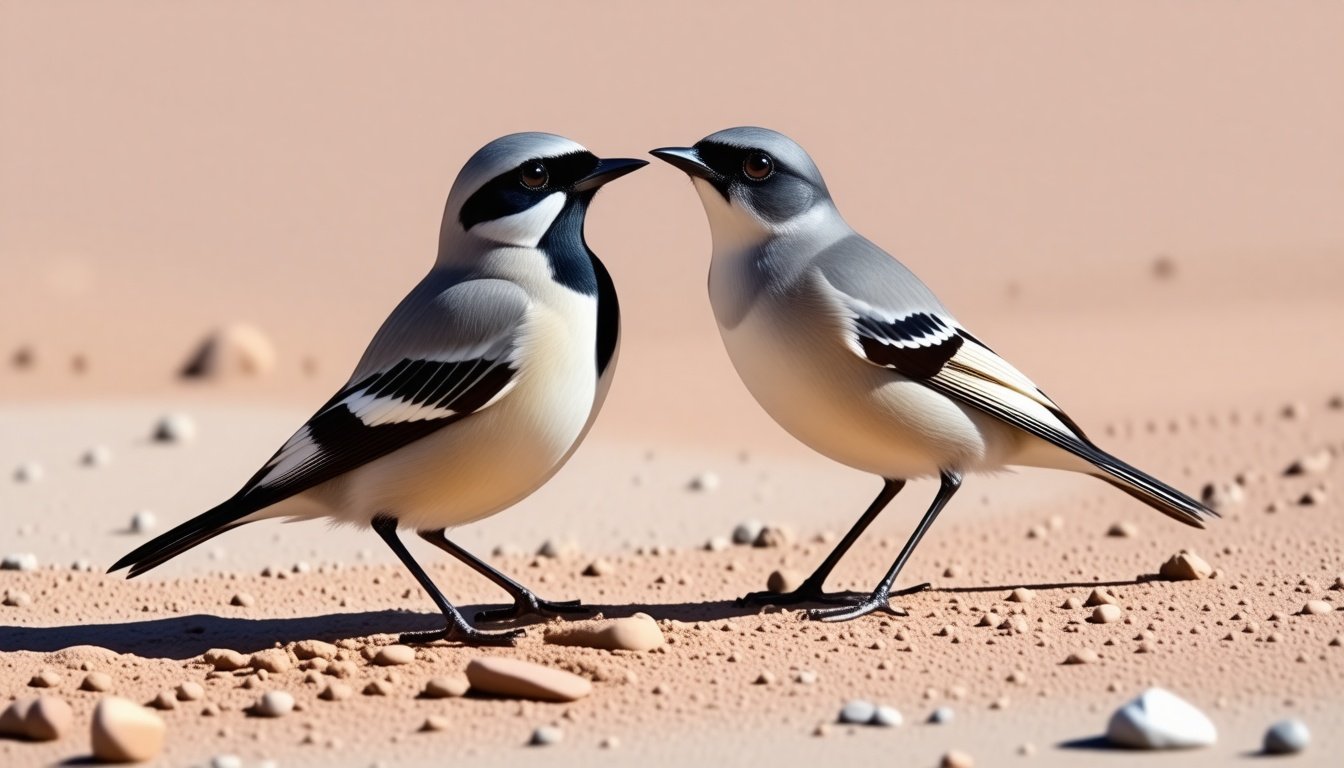
When you think about deserts, you might picture endless sand dunes, blazing sun, and tumbleweeds rolling by. Not exactly the first place you imagine a lively bird party. But stick around for a minute, and you will see these arid lands are full of feathered surprises. The deserts of the Southwest United States are home to some truly fascinating birds, each with their own quirks and survival tricks that make them uniquely suited for life where water is scarce and heat is relentless.
And guess what? You do not have to be a hardcore wildlife expert or trek into the middle of nowhere to catch a glimpse of these desert birds. Many of them show up in backyards, parks, and even along suburban streets. If you have a little patience, some DIY bird feeders, and an eye for detail, your own backyard can become a mini desert bird sanctuary. Ready to meet the cast of colorful, noisy, and downright clever desert birds? Let us take a stroll through this sunbaked bird list.
Cactus Wren — The Desert’s Tiny Firecracker
First up: the cactus wren. If you hear a loud, buzzy song that sounds like a scratchy whistle echoing across the desert, chances are the cactus wren is nearby. This little bird is like the rebel of the desert, hopping around with a bold attitude and a striped chest that almost looks like it is wearing a tiny v-neck sweater.
Cactus wrens love the prickly neighborhood of cholla and saguaro cacti, where they build nests often guarded by spines. It is their version of a fortress. Watching one zigzag through the desert brush, flicking its tail like a cheeky kid, never gets old. They eat insects and sometimes fruits, so offering dried mealworms or native berries near your feeder can be a nice lure.
DIY Tip:
- Create a thorny brush pile or place thorny branches near your feeder to mimic cactus cover.
- Use suet or peanut butter mixed with seeds to attract insect-eating birds like the cactus wren.
Greater Roadrunner — The Desert Speedster
Picture a dinosaur hawking through the desert with a big grin. Okay, roadrunners are not dinosaurs, but their prehistoric vibe and zippy running style sure make them look like it. These birds are famous for their speed and ability to catch prey on the ground — lizards, insects, and even small snakes.
And they do not just run. When you catch a glimpse of a roadrunner’s crest flashing like a tiny black crown atop its head, or hear their series of clacking sounds and coos, you will know you are in the presence of desert royalty. They mostly roam freely, so your backyard visits may be brief. Giving them water or open spaces can encourage a stopover.
DIY Tip:
- Set up a shallow birdbath or water dish for roadrunners and thirsty desert birds.
- Keep the yard free from too much human traffic—or else they will vanish like a desert mirage.
Verdin — Tiny and Tough
If you blink, you might miss this small desert gem. Verdins are tiny little birds, barely bigger than a hummingbird, with a yellow head and curious eyes that seem to be always on the lookout for their next snack. They weave crazy, tangled nests out of twigs and spiderwebs stuck to desert trees or shrubs, sometimes right in front of your eyes.
Their favorite foods are small insects and spiders, perfect for an active little bird to fuel its nonstop energy. Verdins love feisty nectar and tiny insects, so homemade sugar water feeders (similar to hummingbird feeders but less flashy) might win them over.
DIY Tip:
- Make a simple sugar water feeder with a small shallow dish, but change the water often to prevent mold.
- Offer live mealworms or tiny insects near low bushes where verdins like to hang out.
Gila Woodpecker — The Desert Drummer
Drumroll please! The Gila woodpecker’s sharp tapping and chipping noises echo through saguaros across the Southwest. These birds are the desert’s version of a handy handyman, pecking holes in cacti to make cozy nests inside.
They have striking black and white wings with a splash of warm reddish orange on their heads. Watching a Gila woodpecker hammering away can be hypnotic, almost like a tiny drummer keeping desert time.
They eat insects, spiders, fruits, and even eggs of smaller birds, so their diet is like a buffet. Providing a mix of fruit pieces or dried fruit near feeders might tempt these woodpeckers to stop by your yard.
DIY Tip:
- Hang a suet feeder mixed with dried berries to attract these tough birds.
- Leave dead trees or sturdy wooden posts for nesting opportunities if you have the space.
Black-throated Sparrow — The Desert Songbird
Call it the desert nightingale. The black-throated sparrow is small but big on personality, with a striking black bib and crisp white eyebrow lines that make it look like it is wearing eyeliner (and doing it well). These birds are masters of melodious songs, often heard early in the morning or late afternoon.
They are shy but curious visitors, feeding mainly on seeds and tiny insects scraping by the dusty earth. If your backyard has dry, open areas with scattered brush, these little guys might show up, especially if you put out seeds like millet in your feeder.
DIY Tip:
- Scatter millet or mixed seeds on the ground for black-throated sparrows, who are ground foragers.
- Keep some native shrubbery for shelter and nesting spots.
Curve-billed Thrasher — The Desert Bard
This bird has a name that sounds like it should be in a fantasy novel, and its long curved beak is a perfect match for its dramatic calls. Curve-billed thrashers sing complex and beautiful melodies. If you love songbirds with personality, this one will charm you.
They are usually seen running along the desert floor, flipping leaves and rocks to find insects, spiders, and fruit. The orange eye stands out boldly against their grayish-brown feathers, giving them a wise, knowing look. They might be shy but are loyal visitors once you get the feeders right.
DIY Tip:
- Offer chopped fruit like melon pieces or orange slices to tempt thrashers.
- Low platform feeders work well since they spend time on the ground.
Pyrrhuloxia — The Desert Cardinal Cousin
Imagine a cardinal in desert camo. The pyrrhuloxia looks like a cousin of the bright red birds you might see in moister places, but its colors blend perfectly with the dusty desert hues. Males flash a muted red crest and face mask, while females wear a softer gray.
These birds are seed lovers, often cracking open tough desert seeds with their strong bills. They are spritely and fun to watch, sometimes hanging out in pairs and chasing each other in playful fights.
DIY Tip:
- Sunflower seeds are a favorite, so put out a feeder filled with black-oil sunflower seeds.
- Plant native seed-producing bushes like desert hackberry to attract pyrrhuloxia naturally.
How to Make Your Backyard a Desert Bird Paradise
Okay, so you know some birds to watch for, but making your backyard a real magnet for them takes some love and a bit of desert smarts. Remember, these birds are built for tough places with scarce water and food, so your feeders and water sources will go a long way in getting their attention.
Use Native Plants
Nothing beats native plants. They provide natural food, shelter, and nesting spots. Desert sages, mesquites, and chollas all attract insects and offer safe hangouts. Plus, your yard looks way cooler when it is filled with desert colors and textures.
Water Is Like Gold
A shallow birdbath or even a simple shallow dish of water can be a lifesaver for thirsty birds. Place it in a shady spot to keep it cool and clean it often to prevent mosquitoes. Even small drips can catch a bird’s eye.
Feed With Purpose
Use feeders that fit the bird species you want to attract. For example, platform feeders are great for ground feeders like thrashers and sparrows, while hanging feeders filled with seeds work well for woodpeckers and pyrrhuloxias. Adding dried mealworms or fresh fruit slices spices up the menu.
Shelter Is Key
Leave some dead branches or twigs around. Not only do they look artsy-rustic, but they provide perches and nesting materials. Thorny bushes also offer protection from predators.
Keep Cats Indoors
Yes, your sweet kitty loves a good bird chase, but outdoor cats can devastate backyard bird populations. If you want more birds, consider making your yard a cat-free zone or supervise outdoor kitty time carefully.
Why Watching Desert Birds Feels Special
There is an honest thrill in spotting a bird that looks perfectly adapted to this harsh world. How they sing, hunt, raise their young, and just keep going — it is like watching resilience and beauty dance together. They remind us that even in tough times, life finds a way to be colorful and full of joy.
Maybe the next time you step outside into the dry heat of the Southwest, you will see those tiny stripes and flashes of feathers and hear those strange calls, feeling a little less alone in the vast quiet. Desert birds bring wildness and wonder right to your doorstep — all you have to do is look, listen, and maybe sneak in a few mealworms or fresh berries.
So, dust off your binoculars, get out those seeds, and prepare for some desert birdwatching magic right in your own backyard. You might be surprised how lively the desert can truly be.