
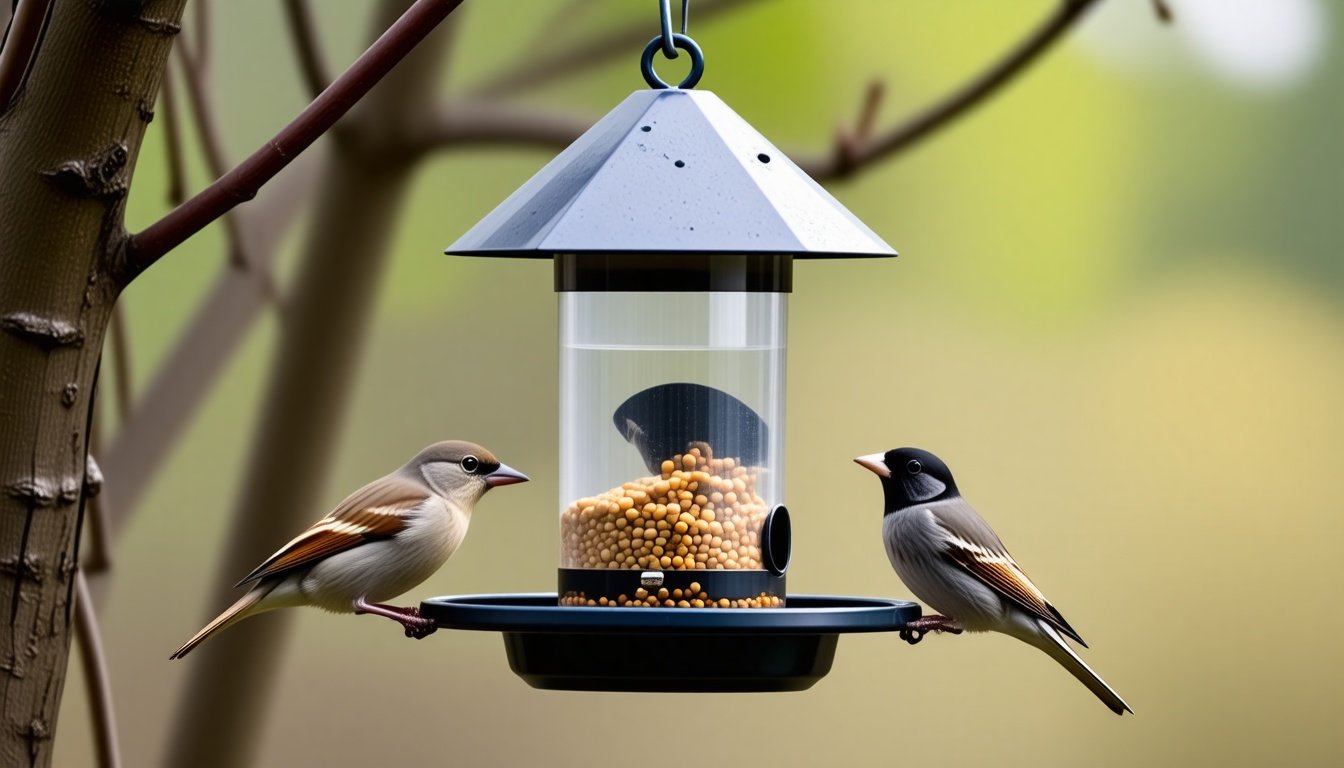
You think putting up a bird feeder is easy. You hang it on the nearest tree branch, fill it with seed, and then sit back expecting a feathered frenzy. But hold on a second. If your backyard feels more like a bird ghost town than a bustling aviary, something might be off. Where you put your bird feeder can make or break your birdwatching dreams. It is not just about hanging a seed buffet anywhere; it is about knowing where not to put it. Trust me, putting it in the wrong spot can mean no visitors, messy problems, or even unhealthy birds. Let us unpack some common mistakes that many backyard bird lovers stumble into — and how you can dodge them with a little savvy.
That Tree Close to the House? Think Twice.
Ah, that tempting branch just outside the kitchen window. You want to watch your feathery friends while you sip coffee. Sounds perfect, right? But here is the kicker. Placing your feeder too close to the house can backfire in sneaky ways.
- Window Collisions: Birds do not understand glass. A feeder right next to a window increases the chance of a bird flying smack into it because they see the reflection of sky or trees instead of a barrier. Ouch—and often, that means injury or worse for the bird.
- Predator Hangout: Cats love to hang out near windows and wait for a snack. If your feeder is right there, it is like hosting a risky dinner party for small birds with a cat lurking backstage.
- Mess and Maintenance: Bird droppings under the feeder right against your walls or deck? Not so charming. It can stain or damage surfaces—and attract pests you would rather avoid.
Instead, if you crave the cozy window-watching moment, give yourself some buffer space. At least three feet from the window or more. This helps birds see the glass in time to avoid crashes. Also, pick a spot where cats cannot easily pounce.
Too Close to Trees: Cozy or Crowded?
Everyone loves a tree, especially birds. But slapping up a feeder right inside a dense tree canopy is a little like putting out an all-you-can-eat buffet in a jungle gym and hoping birds enjoy it without stress.
- Predators Love Trees: Hawks, snakes, and squirrels use trees like the perfect hiding spots to ambush birds coming to feed.
- Flying Traffic Jam: If the feeder is too close to branches, some birds might find it hard to land or take off safely. They get spooked or clumsy, and that scares others away.
- Seed on the Ground: Seed dropped from the feeder often sprinkles below if there is no open ground, which encourages rodents and unwanted guests.
Try to position the feeder near trees but leave an open flight zone of at least 5 feet around it. That way, birds feel safe taking off or landing without surprises. Plus, you get the charm of nearby tree cover without the dangers.
Right Over Your Patio Table? Not the Best Idea.
If you love outdoor meals, your patio table might seem like the perfect place for a feeder. But watch out for the aftermath.
- Messy Seed and Droppings: Birds can be messy eaters, and position matters. Seed shells, hulls, and droppings will rain down—and your clean tablecloth might not survive the first feeding session.
- Unwanted Visitors: Seed on hard surfaces attracts ants, wasps, and even mice looking for a free meal. That can make your relaxing time turn into a pest patrol.
If you want birds close, try to hang feeders away from patios or decks. If not, consider a bird feeder with a seed catcher tray or mesh guard underneath to reduce mess.
Direct Sunlight All Day: Birds Need Shade Too
Sunshine feels nice, and you might think birds want to soak up the rays while nibbling. Actually, feeders placed in full sun all day create a few head-scratching problems.
- Seed Spoils Fast: Heat dries out seeds and encourages mold or fungus, which can harm birds.
- Birds Get Hot and Uncomfortable: Especially in summer, birds look for shade to rest and feed without baking in the sun.
Look for a spot that gets morning sun but afternoon shade. A bit of shield from the harshest heat makes your feeder a cooler, safer hangout.
Too Close to Birdhouses or Nesting Spots
Sometimes, you want to help birds build nests and feed at the same time. But placing a feeder right next to or under a birdhouse can cause troubles.
- Attracting Predators: Feeders can draw unwanted critters close to nests if they are too close, putting eggs and baby birds at risk.
- Messy Nests: Droppings and seed debris might dirty nesting areas, making them less inviting or even harmful to chicks.
- Stress and Crowding: Birdhouses near feeders might get overcrowded or stressed by aggressive feeder visitors.
Keep feeders and nests a good distance apart. This helps birds enjoy both without stress or danger.
The Ground: It Sounds Easy Until the Pests Show Up
Sometimes putting a feeder on the ground feels like a natural choice for ground-feeding birds. But it can turn into a pest nightmare.
- Rodents and Raccoons Love It: A ground feeder is an open invitation to mice, rats, raccoons, and other critters who enjoy seeds as much as the birds.
- Seed Gets Wet and Moldy: Rain, dew, and mud spoil seed fast on the ground, making it unhealthy for your feathered friends.
- Hard to Clean: Ground feeders are dirtier and need more attention to stay safe for birds.
If you want ground-feeding birds, consider feeders designed for ground placement with features to deter pests, or scatter seed in a tidy, open area away from bushes.
Near Busy Walkways or Loud Noises
Birds are delicate creatures. Loud noises, constant foot traffic, or noisy machinery nearby can make your feeder lonely.
- Stressful Surroundings: Birds avoid places where they feel unsafe or startled often.
- Less Watching Fun: If birds do come, they might only stay briefly, not allowing you time to enjoy their company.
Look for peaceful spots tucked away from human hustle and loud distractions. Your patience will pay off in feathered visitors who stay for the show.
Ignoring Local Wildlife and Pests
Sometimes, you might put a feeder somewhere that seems perfect but forget the bigger picture: the other animals in your yard.
- Squirrel Central: Put a feeder too close to places squirrels can jump from, and you have a squirrel party taking over seed supplies.
- Rats and Mice: Easy seed access makes for an unwanted rodent buffet.
- Predators Like Cats and Hawks: Feeders near shrubbery or open skies can attract predators who see birds as easy prey.
Try feeders with squirrel guards or place feeders where squirrels must work hard to get to the seed. Look around for hiding spots predators might use and think like a bird: safety first.
Final Thoughts on Making Your Feeder a Feathered Favorite
Putting up a bird feeder is like inviting guests to your home. You want to make sure they feel safe, welcomed, and comfortable. Choosing the right spot means thinking about more than just convenience or looks—it means understanding birds’ feelings, habits, and dangers.
So, give the tree beside the house a second thought. Move that feeder away from noisy walkways and busy patios. Think about sun, shade, predators, and mess. A little care and a smart spot go a long way to turning your backyard into the happiest bird hangout around.
After all, nothing beats the simple joy of seeing your little friends flutter down, confident that you made their day just a bit brighter. And yes, it makes your mornings way more fun.