
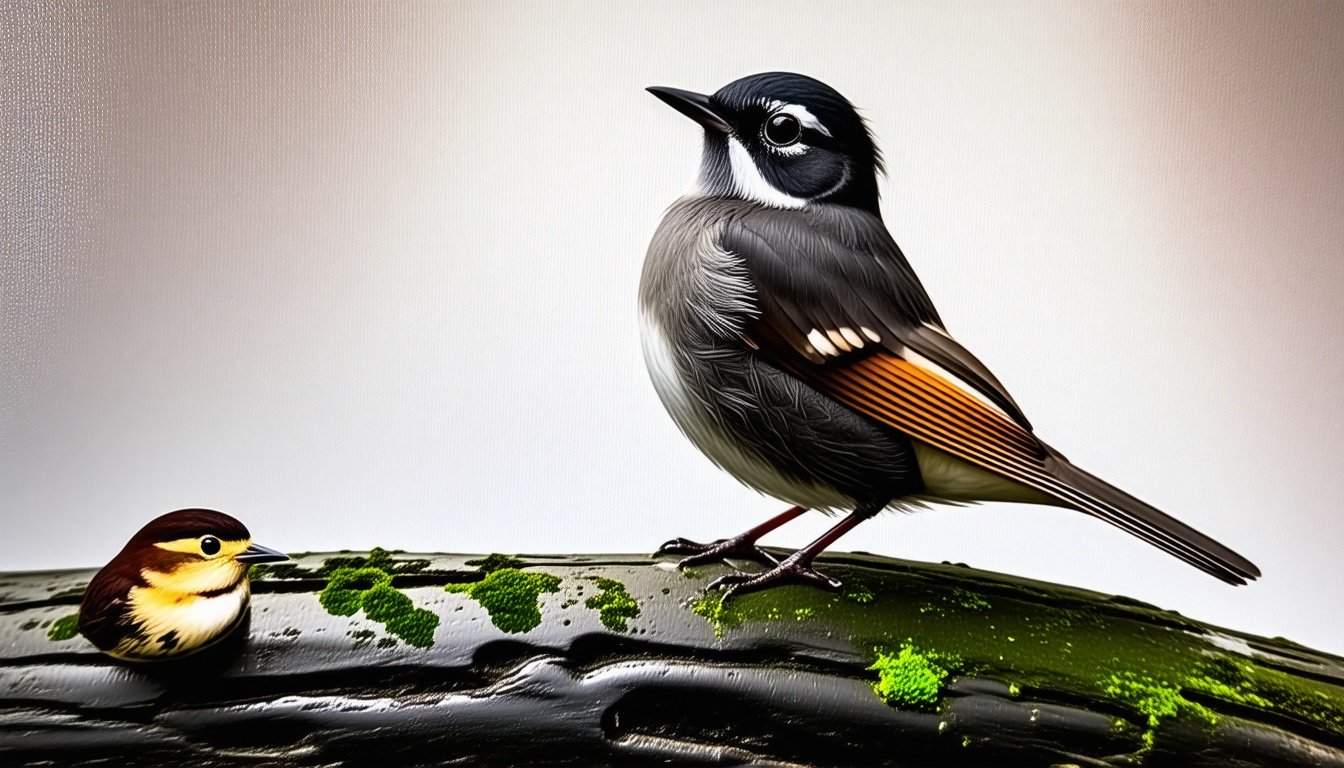
Have you ever sat in your backyard, sipping on your morning coffee, and thought, “I wonder if there is a bird out there that I never get to see?” I mean, sure, the usual suspects like sparrows, robins, and cardinals do their rounds, chirping away like tiny backyard comedians. But what about those rare, shy regional birds? The kind that make birdwatchers’ hearts race and binoculars click furiously. Watching one of these elusive beauties can feel like winning a small, feathered lottery.
Birdwatching, especially from your own backyard, is this wonderful mix of patience, curiosity, and luck. The thrill comes not just from spotting the common birds but from those unexpected, uncommon visitors who drop by for a bite or to say hello. And guess what? You can encourage their visits. Yes, your DIY bird feeders and a little backyard charm might just be enough to catch the eye of a rare friend.
Why Rare Birds Matter in Your Backyard
At first glance, you might think, “Why care about rare birds when the usual ones are already colorful and fun?” But here is the deal—rare birds bring a dash of wonder, a splash of surprise. They remind us how diverse and wild nature truly is, even when it feels like the world outside our doors is tamed and tidy.
Plus, these rare species can teach us a lot about the health of our environment. When a bird that normally lives hundreds of miles away shows up in your neighborhood, it might mean something about the weather, the food supply, or even climate changes. Spotting those kinds of visitors connects you to a larger story unfolding right above your head.
How to Attract Rare Regional Birds
You can think of your backyard like a tiny hotel for birds, with five-star dining options if you prepare well. Different birds prefer different menus, so giving them choices is key. That means not just seeds, but suet, nectar, fruits, and even some homemade treats.
Building a simple DIY bird feeder can be a game changer. You do not need to be a carpenter or have fancy tools. A pinecone smeared with peanut butter and rolled in birdseed, a recycled milk carton turned into a feeder, or even a hanging tray are fantastic starters. You might be surprised how these little projects can invite some extraordinary guests.
Also, consider adding some native plants to your yard. Berries, flowers, and shrubs that grow naturally in your area provide food and shelter that birds trust. When birds find a familiar buffet, they feel safe to visit and linger.
Things to Keep in Mind
- Fresh water is non-negotiable. A birdbath or even a shallow dish of water can be the difference between a quick flyby and a cozy stay.
- Keep feeders clean. Weirdly enough, dirty feeders can spread illness, which drives the birds away faster than you can say “tweet.”
- Be patient. Birds do not always show up on your schedule. Sometimes, the wait is part of the adventure.
Rare Regional Birds You Might Spot
Alright, here comes the fun part—let us talk about some rare birds that might just visit your backyard if conditions are right. These are not daily visitors, but the thrill of seeing one can light up your day like a sunrise.
The Yellow-Bellied Sapsucker
Sounds like a vampire, right? This woodpecker cousin has a peculiar habit of drilling neat rows of holes in trees to sip the sap. Imagine a bird with a red forehead, black-and-white patterned wings, and a belly yellow enough to brighten the gloomiest fall afternoon. They sneak into many parts of the eastern US but only the most watchful might catch them tapping away in spring or fall migration.
Painted Bunting
Imagine a tiny bundle of fireworks in feathers. Blues, reds, greens, and yellows all mixed together like an artist’s palette come to life. Painted Buntings are shy and rarely stay long but if you live in the southern states, setting up feeders with millet and sunflower seeds during spring might bring a flash of color to your trees.
The Kirtland’s Warbler
Now, this is a bird that storybooks would write home about. The Kirtland’s Warbler is rare not just in frequency but in its picky nature. It nests only in young jack pine forests, mostly found in Michigan and parts of Ontario. Backyard spotting is tricky but not impossible if you live in their range. Listening for their buzzy song in late spring can be an exciting reason to peek through the leaves.
Elegant Trogon
If you are lucky enough to be somewhere in southeastern Arizona or parts of Mexico, keep your eyes peeled for this gem. The Elegant Trogon looks like it stepped out of a fantasy with its iridescent green body, rusty red chest, and white belly. They love shaded woodlands, so if you have big trees and a quiet corner, they might just consider dropping by.
Black-Capped Vireo
Small, active, and sporting a bright black hat (hence the name), the Black-Capped Vireo is a rare visitor found in Texas and Oklahoma. They enjoy brushy habitats and feeders that offer mealworms. Yes, mealworms might sound a little weird, but trust me, birds find them delicious. Setting up a worm feeder might catch their attention and your heart.
DIY Bird Feeder Ideas to Attract Rare Birds
You do not have to spend a fortune or launch a construction business to build feeders that attract unusual birds. Here are some fun and doable ideas, plus why they work:
Pinecone Treat Feeder
- Smear a clean pinecone with peanut butter (no added sugar or salt).
- Roll it in birdseed.
- Hang it from a tree branch or shepherd’s hook.
Bonus points for watching woodpeckers and finches nibble away. This feeder is simple but super effective.
Fruit and Suet Cake
- Mix suet (or beef fat from the butcher) with dried fruits like raisins, chopped apples, or even orange peel.
- Press the mixture into a mold and chill it to harden.
- Hang it near trees shaded from direct sun.
This dish attracts insect-eating birds and those who fancy fruit. Plus, the texture is perfect for birds like the sapsucker or woodpecker types.
Window Feeder
- A clear plastic feeder that sticks right on your window.
- Fill with sunflower seeds or mixed seeds.
- Sit close and spot rare birds without disturbing them.
Yes, it is like a front-row seat to nature’s theater.
Homemade Nectar Feeder
- Mix four parts water with one part white granulated sugar.
- Boil the mixture and let it cool.
- Fill a small container, like a plastic bottle with holes or a specialized feeder.
- Hang away from direct sunlight.
This might attract hummingbirds and other nectar lovers. Clean it every few days to keep your guests healthy.
Tricks to Spotting Rare Birds
Checking out your feeders is only half the fun. Sometimes, rare birds like to lurk, watching from afar. Here are some hacks to up your spotting game:
- Keep a journal. Jot down times of day and seasons when you see different birds. Patterns start to emerge.
- Use binoculars but do not get too close. Birds hate feeling trapped.
- Listen more than you look. Often, rare birds announce themselves with unique calls before they come into view.
- Get involved with local birdwatching groups online or in person. Sometimes, news of rare visitors spreads fast, and you do not want to miss out.
Why All This Feels So Good
Wait, before you think this is “just birdwatching,” understand the quiet joy it brings. Watching a rarae feathered friend perch on your feeder connects you with the wild, away from screens and deadlines. It slows time down. It sparks wonder in the smallest moments. And when you see that rare bird, the one you read about but never thought you would see? Your heart jumps in a way that is hard to explain.
And no need for fancy photos or a perfect garden. Even a modest patch of green can attract rare visitors if you give them the right welcome. It is a reminder that nature’s beauty can come to your doorstep, and maybe, just maybe, your backyard is a lot more special than you give it credit for.