
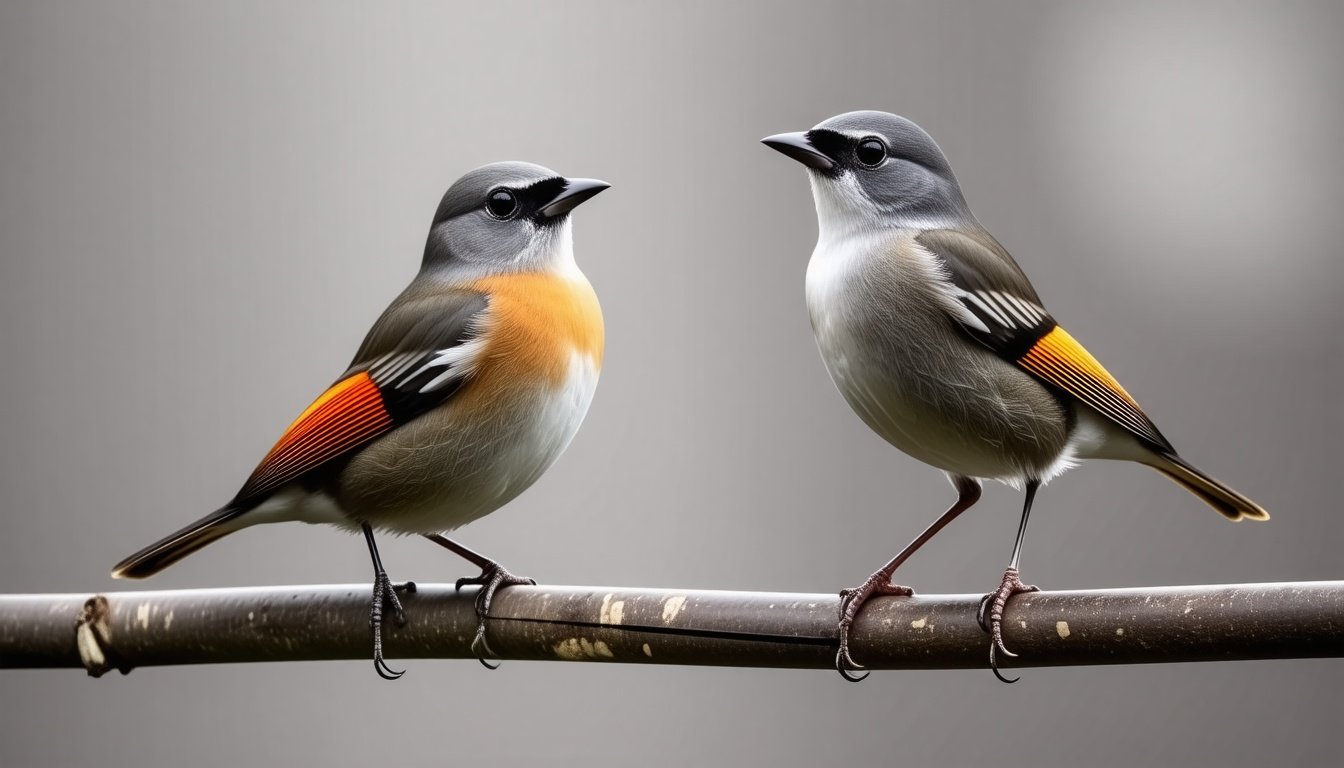
Feeding wild birds feels like such a simple act of kindness. You sprinkle some seeds, hang a feeder, and wait for the feathered visitors to flutter in like tiny, chirpy guests at your backyard tea party. It is one of those humble pleasures that connects us to nature in a quiet, everyday way. But here is the kicker: not everything you toss out to wild birds is safe for them. In fact, some foods you might think are harmless—or even tasty treats—can hurt birds more than help them.
It sounds strange, right? How can something as natural as food be dangerous? But wild birds have their own special diets and bodies that do not handle human snacks in the same way we do. When we feed them the wrong stuff, we risk making them sick, even costing them their lives. And nobody wants that. So, if you love watching birds and want to do right by them, it is worth knowing what foods you should never, ever feed wild birds.
Why Some Foods Are a No-Go
Before we get into the nitty-gritty, imagine your favorite meal… then imagine eating nothing but that meal every day, but worse, it makes you feel bloated, dizzy, or even worse—sick. Birds’ bodies are designed for certain types of nutrition. Their digestive systems are fragile and often very specialized. What might be fine for squirrels or raccoons could be a disaster for a Robin or Chickadee.
Plus, some human foods can cause long-term health issues for birds. Feeding the wrong thing can lead to problems like malnutrition, physical deformities, or fungal infections. Sometimes, we do not see the damage right away, making it even trickier to know what helped and what hurt.
Foods That Birds Should Never Eat
1. Bread (Especially White Bread)
Look, bread is the classic “feeding birds” image for a reason. It feels innocent. It is cheap and easy. And honestly, who has not tossed a few breadcrumbs to a hungry pigeon or duck? But bread is pretty much junk food for birds.
It has little to no nutritional value. Imagine eating nothing but white bread day after day—slow energy crashes, no vitamins, no protein. Birds eating lots of bread can become malnourished. It is called “angel wing” when a bird’s wings grow deformed due to poor diet, and bread-feeding is a common cause.
Also, soggy bread left in water can lead to mold growth, which is toxic to birds. Remember that ducks and geese do not have teeth—they swallow things whole, so moldy bread can cause serious digestive issues.
2. Salty or Seasoned Foods
This one might seem obvious, but it still happens. Salt is deadly to birds. Even small amounts can throw off their body’s water balance, leading to dehydration, kidney failure, or even death. Foods like chips, pretzels, popcorn with butter, or any salted snack? Big no-no.
Spices, garlic, onion powder, or any seasoning might also upset their tiny stomachs. Birds simply are not built to handle flavored human food. Keep it plain and simple.
3. Chocolate
If you thought only dogs and cats had to avoid chocolate, think again. Birds are sensitive to theobromine, a chemical in chocolate that is toxic to many animals. Consuming even a small amount can cause vomiting, diarrhea, seizures, and heart problems. Chocolate is not for birds, so keep those candy bars far, far away from your feeders.
4. Avocado
Surprisingly, avocado is poisonous to many bird species. It contains a chemical called persin, which can cause respiratory distress, heart damage, and even death. While some birds may tolerate small amounts, it is not worth the risk. Better to keep avocados out of their menu.
5. Fruit with Seeds or Pits That Are Toxic
Fruits can be healthy for birds, but some seeds and pits are off-limits. Apple seeds, cherry pits, peach pits, and apricot pits contain cyanide compounds. Cyanide is toxic to almost all living creatures. So while a slice of apple might be a nice snack for a titmouse, those little seeds inside? Do not let them anywhere near the feeder.
6. Dairy Products
Birds do not have the enzymes to digest lactose—the sugar found in milk and dairy products. Feeding birds cheese, yogurt, milk, or anything dairy can lead to stomach upset and diarrhea. Plus, dairy left out in the sun is a recipe for spoiled, bacteria-filled messes that no bird should have to deal with.
7. Processed Junk Food
Think about all the snacks you find in your pantry: cookies, crackers, cakes, chips, fast food bits. None of this belongs in a bird feeder. Processed foods usually have preservatives, weird chemicals, a ton of salt and sugar, and artificial flavors. Birds do not need that nonsense. It can cause obesity, poor feather health, and even shorten their lifespan.
Those cute baby birds you see? They need good nutrition to grow strong feathers and healthy muscles. Junk food is like feeding them sugar-coated poison.
Foods That Might Seem Fine But Are Risky
Not all forbidden foods are obvious. Some ingredients might seem bird-friendly but can backfire in the wrong context.
Raw Beans
Raw or dried beans contain toxins that can be fatal if birds eat them. Cooked beans are safer but still not ideal. It is best to avoid feeding beans entirely. Save those to humans.
Onions and Garlic
Both contain compounds that can harm birds’ red blood cells, leading to anemia. Even small amounts in cooked food may cause problems.
Green Potato Skins
Potatoes themselves are not great bird food, but green or sprouted potatoes have solanine, a poison for many animals, including birds. Avoid tossing any kitchen scraps with green potato peels near your feeders.
Peanuts That Are Moldy or Untreated
Peanuts can be part of a healthy bird snack, but only if fresh and unsalted. Moldy peanuts carry aflatoxins, which cause liver damage. Always buy fresh, raw, or roasted peanuts without any salt or flavoring.
What Should You Feed Wild Birds Instead?
So, if bread and chips and chocolate are out, what does a kind backyard birdwatcher do? Don’t worry; birds love simple, natural foods that are nutritious and safe.
- Black oil sunflower seeds: These are bird favorites and packed with energy.
- Safflower seeds: Great for cardinals, chickadees, and finches.
- Nyjer (thistle seed): Perfect for finches and siskins.
- Suet: A high-energy treat, especially in colder months.
- Mealworms: Protein-rich snacks for insect-eating birds.
- Fresh fruit (safe types): Blueberries, oranges, and grapes in small amounts.
Providing these foods in clean feeders with fresh water creates a welcoming spot for birds without risking their health. Plus, it encourages natural feeding behaviors and lets you enjoy watching birds thrive.
A Final Word About Feeding Wild Birds
Feeding wild birds is a joy, no doubt. But it comes with responsibility. The best kind of bird feeding is thoughtful feeding. It means knowing what to share, how to share it, and respecting birds’ natural needs.
Next time you think about tossing out your leftover sandwich crust or sharing your snack stash with your backyard visitors, pause. Ask yourself, “Is this really good for the little ones fluttering around, or am I just feeding my own cravings?”
Birds have survived without us for millions of years. When we join their world with kindness and care, it should be on their terms, not ours. So keep snacks simple, natural, and safe. The birds will thank you in their sweet, song-filled way.
Happy birdwatching, and may your feeders always be full of good food and good friends.