
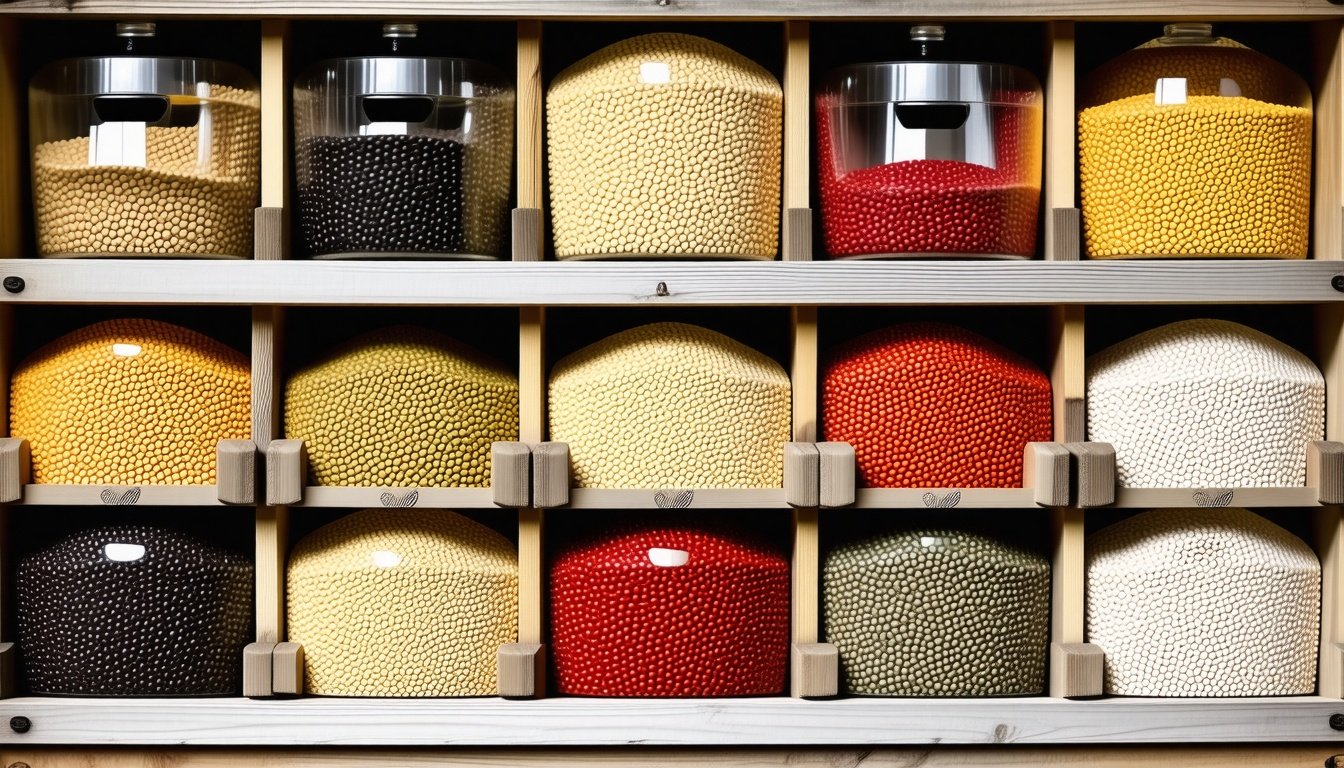
Imagine you have a freshly bought bag of bird seed, all fluffy, full of promise, just waiting to invite feathered visitors into your backyard. You pour a handful into your DIY feeder, set it up, and watch as a curious chickadee or a bright cardinal drops by for a snack. Pure joy, right? But then, a few days or weeks later, your seed starts to smell funny, gets clumpy, or worse—little critters you did not invite decide to crash your bird party. Mold creeps in, and pests show up unannounced. It turns that simple joy into a tiny nightmare.
Storing bird seed might sound like an easy task. You just toss it in a bin or leave it in the original bag, right? Nope. If you have ever dealt with mold or unwanted bugs turning your bird feed into a soggy, crunchy mess, you know the frustration. The thing is, keeping bird seed fresh and pest-free is a bit like cooking a delicate recipe—get the timing and ingredients wrong, and the whole dish spoils. But when done right? It feels like giving your backyard birds a first-class dining experience every single day.
Why Mold and Pests are the Enemies of Happy Bird Feeding
Let us get real for a moment. Bird seed is food. It is a magnet for mold spores and tiny, hungry bugs. When it gets damp or sits in warm, humid conditions, mold loves to crash the party. Not just unsightly, moldy seed is dangerous for birds. It can make them sick or worse.
Then come the pests: weevil larvae, moths, ants, mice, and squirrels. They find your bird seed irresistible. And once they get in, they can ruin a whole batch in no time. You end up wasting money, and your feathered friends miss out on a clean, safe meal. Plus, nobody wants a mouse running wild in the garage or pantry.
So the mission is simple: keep bird seed dry, cool, and protected. Easier said than done? Maybe. Totally doable? Yes.
Pick the Right Spot to Store Bird Seed
First things first: where you stash your seed matters. Tossing the bag in the garage or basement might seem like a good idea, but these spots often get damp or see temperature swings. That is a mold buffet waiting to happen.
- Cool and dry wins the race. A space that stays around 50-70 degrees Fahrenheit and does not get humid is ideal. Think about a closet inside your home or a sealed pantry shelf.
- Avoid direct sunlight. It heats the seed, speeding up spoilage and encouraging pests.
- Keep the seed off the floor. Moisture and pests come in creeping along the ground. Put seed containers on shelves or sturdy tables.
Choose the Perfect Container
Sure, bird seed comes in paper or plastic bags, but those are terrible for long-term storage. Paper bags tear. Plastic bags get holes or let moisture sneak in. You want something tougher, smart, and sealed.
- Airtight plastic bins with tight lids are a classic. Big enough to hold a month or two of seed, they keep air and moisture out.
- Metal containers with sealed lids? Even better. They stop pests from gnawing through or getting in.
- Food-grade buckets with gamma seal lids (the twist-lid type) are a top choice if you buy big bags of seed.
Bonus tip: labeling your containers with the purchase date helps you use the oldest seed first and keeps you on track with freshness.
Be Strategic About How Much Seed You Buy
This might sound simple, but it is easy to overbuy. How many times have you grabbed the biggest bag because it seemed like a good deal, only to end up with seed sitting around for months? The longer seed sits, the higher the risk of mold and pests.
Buy only what you can feed your birds within a month or six weeks tops. Smaller batches mean fresher seed, less chance for problems, and your birds get better treats.
Inspect and Rotate Your Seed
Think of your bird seed like you do leftovers in the fridge. Checking what you have matters. Take a moment every week to peek into your seed bin. Look for clumps, mold spots, or tiny bugs crawling around.
If you spot anything funky, toss it immediately. It is not worth risking your bird friends getting sick.
Also, rotating seed older to the front and newer to the back keeps things moving. This simple habit prevents you from accidentally feeding seed that has been waiting too long.
Keep Your Seed Dry Like a Desert
Moisture is the enemy. One splash or humidity, and mold germs do their dance. So how to keep your bird seed dry?
- Add silica gel packets. Those little packets you find in new shoes or bags? They soak up moisture like a sponge. Toss a few into your seed container for a dry zone.
- No wet hands or scoops. Always use a dry scoop to avoid introducing moisture.
- Cover feeders during rain. Wet seed left outside invites mold fast. Use a feeder with a cover or bring feeders indoors if you expect rain.
DIY Bird Seed Storage Hacks That Work Wonders
Not into buying fancy containers? No problem. There are clever, budget-friendly ways to keep your seed fresh and pests out.
- Repurposed plastic jars. Clean empty peanut butter or coffee jars make great small seed containers. Tight lids, clear views, easy scooping.
- Old metal cookie tins. Poke a tiny hole or two for ventilation, but keep them mostly closed. They stop critters and sunlight.
- Mason jars. Airtight, reusable, and pretty. Great for smaller amounts or specialty seeds like sunflower hearts.
A quick heads-up: avoid storing seed in bags inside containers. The bag traps moisture and invites bugs. Instead, pour the seed right into the container, seal tight, and forget about it for a while.
Pest-Proofing Your Seed and Feeder Area
Bugs and critters are sneaky. They can chew through thin plastic or squeeze through tight spots you did not even notice. Protecting your backyard isn’t just about storage.
- Keep feeders clean. Old seed, hulls, and droppings on or under feeders attract pests. Wipe or wash feeders weekly.
- Use squirrel baffles. Those shiny cones or domes on poles keep squirrels from reaching your seed.
- Seal cracks. Check your storage area for gaps in doors, windows, or walls. Small openings are pest highways.
- Store seed away from pet food. Pests that get attracted by one are likely to find the other.
What to Do if You Spot Mold or Bugs?
It happens. Maybe a wave of humidity snuck in, or a weevil found a way past your defenses. If your seed starts smelling musty, looks dusty, or shows tiny larvae, it is time for a clean break.
- Do not feed moldy seed to birds. It can hurt or kill them.
- Throw out the bad seed immediately. Seal it in a plastic bag and trash it outside.
- Clean your storage containers with hot, soapy water and dry them fully before refilling.
- Inspect nearby feeders and areas for signs of pests or mold and clean up thoroughly.
Keeping Your Peace of Mind (and Your Birds Happy)
This all might sound like a lot, but once you get into a rhythm, storing bird seed to keep it fresh and safe becomes second nature. And the payoff? Watching healthy, happy birds flitting around your yard, chattering away at a clean, tasty feast you helped create.
Bird feeding is a little act of kindness and a moment of calm in a noisy world. So why let something like mold or mice spoil it? With some simple care, smart choices, and a bit of patience, you can keep every seed rocking, no pests invited.
After all, your feathered friends deserve the best table in town, and you deserve the joy of knowing you made it happen.