
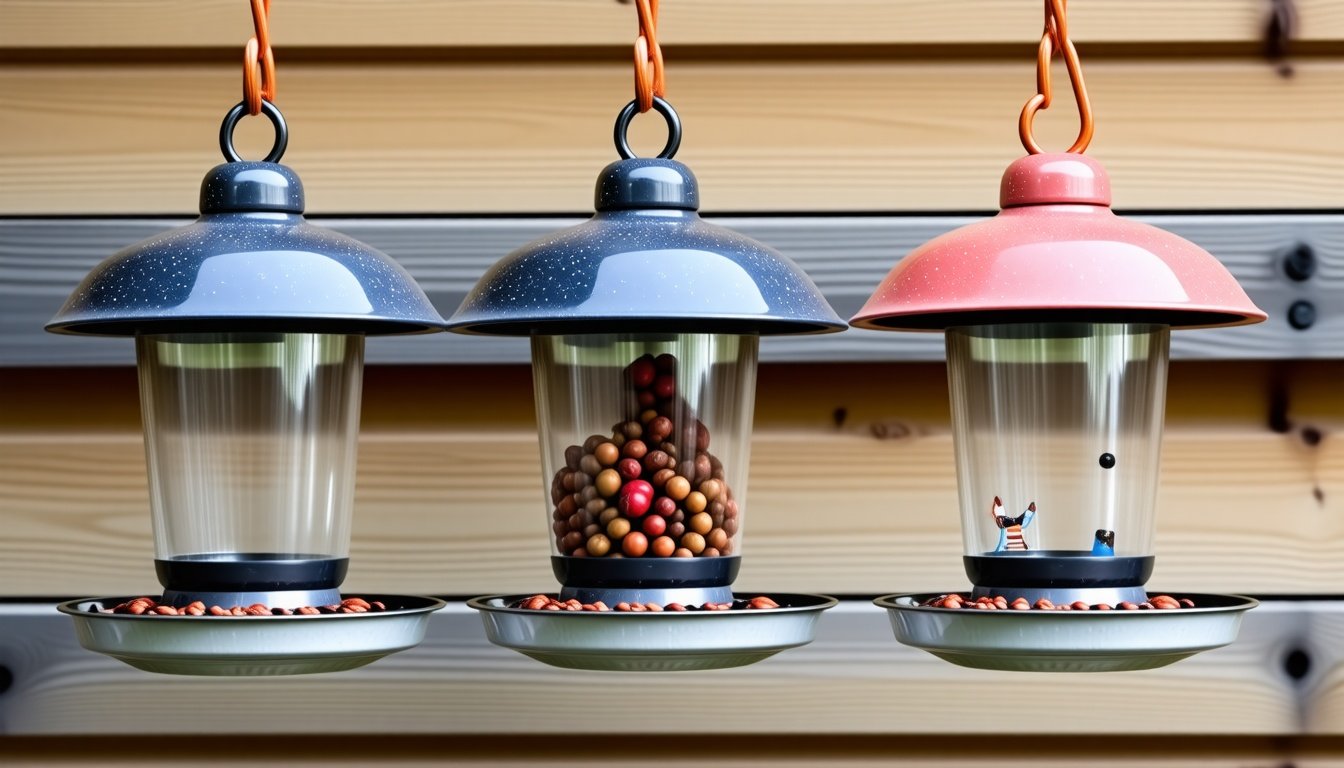
Have you ever looked at that old teacup gathering dust on your kitchen shelf and thought, “Hey, maybe this could do more than just sit there”? I know I have. Sometimes, the things we toss or tuck away hold a tiny secret—a chance to become something unexpected and wonderful. Like a little bird feeder.
Birdwatching in your backyard can feel like a tiny window into a secret society of feathery characters. And guess what? You do not need to buy fancy feeders from the store. Nope. Your kitchen and those things you might have thought useless could be the perfect launching pad for a cozy bird buffet.
Let us talk about how you can upcycle old kitchen items into delightful bird feeders. Not only do you rescue these objects from the landfill, but you also invite nature’s charm right to your window. Sounds like a two-for-one deal, right? Plus, it is ridiculously fun. You get to feel crafty, watch birds, and think about all the tiny wings fluttering around. What is better than that?
Look Around Your Kitchen First
Take a moment and just scan your cupboards and drawers. What do you see? Maybe some glass jars with their lids long gone, half-empty teacups, old colanders, or even that chipped baking sheet you never use. Are you noticing a pattern? Most kitchen items that can be hung, filled, or balanced can be turned into feeders.
Why kitchen items? They are sturdy, often weather-resistant, and forgiving if the project does not go 100% as planned. Plus, they have character. Your yard could have the most Instagram-worthy bird diner in town without spending a dime. Honestly, there is something unbelievably satisfying about making something out of what you already have.
What You Will Need
- Old teacups and saucers
- Glass jars
- Colanders
- Wooden spoons or spatulas
- Muffin tins or small baking pans
- String, twine, or sturdy wire
- Hooks or nails (to hang your feeders)
- Basic tools like a drill or hammer (if you have them)
If any of those tools sound scary or intimidating, do not worry. Most of the projects I’ll share with you are simple enough to pull off with scissors and a bit of tape or glue.
The Teacup Rose
Yes, a teacup can be a bird feeder. I know it sounds weird at first, but it works. The whole charm lies not just in function but in the story you create. Imagine a tiny, chipped teacup, rescued from the trash, now filled with birdseed and hanging by a ribbon near your window.
How To Make It
- Grab your teacup and its matching saucer.
- Attach the cup to the saucer with a strong adhesive or epoxy. Angle the cup slightly tilted, so birds can easily get in and out.
- Once dry, wrap sturdy twine or wire around the cup handle and form a loop to hang.
- Fill the cup with birdseed and hang it low or high—whatever suits your yard’s bird traffic.
The saucer acts like a little platform, catching fallen seeds (you might want to put a tray beneath to avoid the mess). This feeder is charming enough that even your mail carrier might stop and take a second look. Bonus points if you have a friend who loves tea—you can gift them the cup and secretly lure birds to their yard.
Jar Feast: From Pickles to Pecks
Remember that pickle jar you almost pitched last week? Well, it is about to become a hummingbird mansion—or a finch café, depending on what you fill it with. Glass jars are perfect because you can see the seed level, and many have screw-top lids that can be modified for hanging.
What to Do
- Remove any labels and clean the jar thoroughly.
- Drill or poke a few small holes near the lid edge so seeds can spill out slowly, or create feeding ports by cutting the jar’s side carefully (ask an adult to help).
- Fix a wire around the neck of the jar to hang it securely.
- Fill it with your favorite birdseed mix.
- If you are feeling fancy, paint little designs on the outside with weatherproof paint to add charm.
Hang it where you can watch the action but where cats and squirrels have a harder time reaching. Birds love sitting on the edges and chatting over seeds. Plus, seeing the jar fill and empty over days adds a small dose of nature’s rhythm to your daily life.
Colander Collectors
Okay, colanders usually live in the sink or hang around in kitchens, waiting for some pasta or veggies to strain. But what if that trusty metal friend becomes a bird feeder? Their holes are perfect for drainage, so seeds will stay fresh longer, and many are easy to hang.
Steps to Try
- Find a colander with a solid base (metal works best but plastic is okay too).
- Attach three or four sturdy strings or wires evenly around the rim.
- Bring the strings together at the top and tie into a strong knot or loop for hanging.
- Fill the colander with birdseed; hold your breath and hang it outside.
- Watch as little birds come tumbling in, sometimes hopping off like they just found Thanksgiving.
Colanders offer room for multiple birds at once, like a little bird party. And you can get creative by adding dried flowers or pine cones around the edge for extra cozy vibes.
Wooden Spoon Wonders
Not all feeders have to be solid containers. Sometimes, a small platform is all a bird needs to sit and nibble. That is where your old wooden spoons come in. Chop off the handle (or leave it for a perch), fill the bowl with seed, and hang it up.
How to Create Your Spoon Feeder
- Find wooden spoons with a shallow bowl.
- Create a small hole at the end of the handle to string twine through.
- Tie a loop for hanging and scoop birdseed into the bowl.
- Hang the spoon feeder in a tree or near a window where birds usually visit.
If you feel fancy, varnish the spoon to make it last longer against weather or decorate it with bright paints. The simplicity makes it lovely—and birds seem to like the easy access. Plus, spotting birds teetering on a spoon makes me smile every time.
Muffin Tin Magic
Have you got a muffin tin that has survived one too many cupcake disasters? Turn that into a multi-feeder and watch the crowd gather. The little cups can hold different types of seeds or treats for your backyard guests.
Directions
- Clean your muffin tin well—no crumbs left behind.
- Fill each cup with different birdseed mixtures or even bits of fruit and nuts.
- Attach sturdy handles or wire to hang it, or simply place it on a flat surface outside.
- Make sure it is stable and protected from wind.
Muffin tin feeders are great for introducing new foods to the birds or testing what your local feathered friends prefer. Plus, it looks like a little buffet spread—who would not want to stop by? Make sure you clean it regularly to keep everyone healthy and happy.
Tips for Success
- Keep it clean. Birds are sensitive little creatures, so clean your feeders regularly to avoid mold or bacteria.
- Refill often. Empty feeders are sad feeders. Make it a habit to check and refill, especially in colder months.
- Choose the right seeds. Different birds like different seeds. Black oil sunflower seeds attract many varieties, while nyjer seeds call finches.
- Place feeders wisely. Near shrubs or trees works well. Birds like to have a nearby safe spot to retreat.
- Protect your feeders. Squirrels and other critters might want a free meal too. Think about adding squirrel baffles or hanging feeders in tricky spots.
Why Bother With This?
Besides giving old kitchen items a new life, making your own feeders is a way of slowing down. It is an invitation to look outside and notice the tiny wild lives happening just beyond your glass. The morning bird songs, the sudden flutter, the way a tiny beak grabs seed—these moments make ordinary days shine.
It is also about connection. Connecting with nature, with your creativity, with something bigger than our busy routines. It reminds us that beauty often exists in simple things, like a chipped teacup or a rusty colander. And when a little bird stops by to say hello, the whole world feels just a bit warmer.
Final thoughts (Promise, no fancy words!)
If you have some kitchen stuff lying around that you do not use, do not just toss it or shove it to the back of a drawer. Think about the birds waiting outside your window. They might love a new spot for breakfast. Whip up a quick feeder with stuff you already have, hang it with some twine, and get ready for a little joy on your porch.
And hey, even if your first feeder looks a bit wonky, that is part of the fun. Nature likes imperfection—it is authentic, just like you.
So go on, grab that old teacup or jar, get a handful of seeds, and make a tiny bird diner today. You might find it is the best ‘kitchen experiment’ you have ever done.