
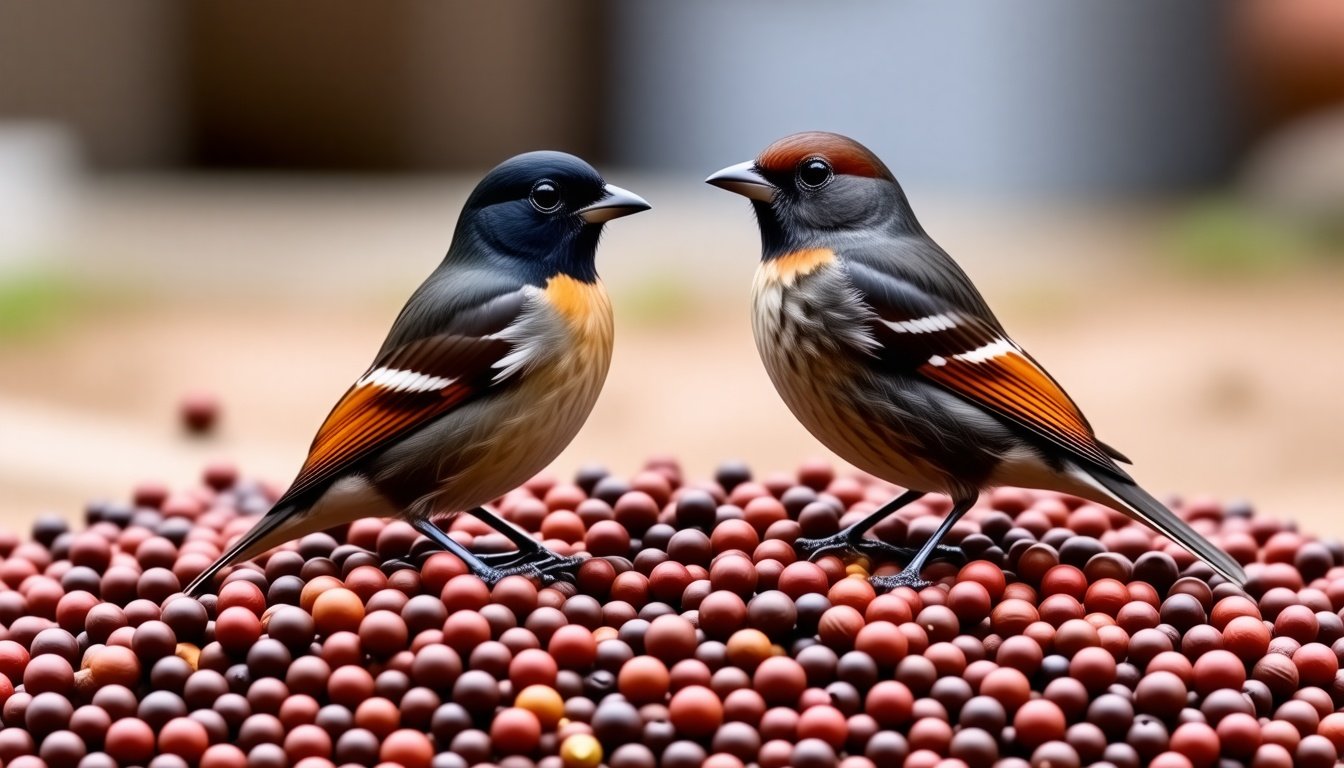
Picture a sunny afternoon in your backyard. You have a cup of tea, a cozy chair, and a bird feeder bustling with life. Bright flashes of red, curious chickadees scouting for snacks, and the occasional cheeky squirrel trying its luck. You start wondering: do these birds actually care if the seeds you put out are organic? Is that pricey bag of organic birdseed worth it, or are the birds just happy to eat whatever you toss their way?
It sounds like a simple question, but it is kind of tricky. Backyard birdwatching is a joy for many, and feeding our feathered friends feels like a small way to connect with nature. Yet, when it comes to organic seeds, things get a bit fuzzy. Are birds savvy enough to tell the difference? Do they get better food, or maybe healthier snacks? Or is it just a human idea, a way we try to be kinder, even if birds do not care one bit?
What, Exactly, Is Organic Seed?
Before we send the birds to their taste test, let us talk about what organic seed means. When you see a label that says “organic,” it means that the seeds were grown without synthetic pesticides, herbicides, or chemical fertilizers. Organic farmers often use natural methods to grow plants, like compost and crop rotation.
For us humans, organic often promises cleaner, healthier food. But birds are not humans. They are wild creatures with different needs. Their bodies do not read labels. They rely on instinct, smell, sight, and taste to figure out what is good to eat.
Do Birds Notice the Difference?
Here is the thing: birds are mostly after nutrition and taste. Some studies and bird experts suggest that birds do not really care whether seeds come from organic farms or conventional ones. They go for what nourishes them and what feels safe.
Think about it. If you are hungry and there is a bowl of chips and a plate of broccoli, you might pick the chips first. Birds are the same, except they have their favorite “chips” — sunflower seeds, safflower, millet, and peanuts.
Organic or not, if the seed looks good and tastes right, birds will probably eat it. But, organic seeds tend to have fewer chemical residues. It means less risk of birds ingesting harmful substances, which sounds good, right? However, scientists have not yet done enough tests to prove that birds prefer organic seeds or even benefit much more from them.
The Role of Pesticides in Birdseed
You might wonder why this matters. Well, pesticides used in non-organic farming can leave residues on the seeds. In small amounts, these might not cause immediate harm but could build up over time.
Wild birds face many dangers every day. Adding chemical exposure on top of that may not be helping their chances. Some bird lovers choose organic to reduce any risk. It feels like a safer bet, even if the evidence isn’t bulletproof.
How Pesticides Can Affect Birds
- Chemical residue can irritate a bird’s digestive system.
- Some pesticides could confuse their natural behaviors.
- Repeated exposure might weaken immune systems.
- Potential harm to baby birds and eggs.
Again, this does not mean non-organic seeds are poison. Many conventional seeds are safe to feed, but the organic route appeals to those who want to be extra cautious.
Seed Quality: More Important Than Organic?
Here is a twist: the quality of the seed probably matters more than whether it is organic. Freshness, size, and type of seed make a big difference.
Birds do not just eat any old seed. They notice if seeds are moldy, stale, or broken. Moldy seeds can be dangerous for birds, causing respiratory problems or worse.
Even more than that, birds have their favorite seeds based on their species. Finch lovers swear by nyjer seed, while cardinals might prefer sunflower kernels. Offering the right seeds means more visits and happier birds.
So, if you have to pick between cheap, old, “organic” seeds and fresh, high-quality, non-organic seeds, the birds will probably choose the fresh seeds every time.
How Do Birds Choose Their Food?
Watching birds at a feeder is like watching tiny food critics at work. They use all their senses to decide what to gobble up and what to avoid. Some of the ways birds pick their seeds include:
- Visual cues: Bright colors and size matter. Some birds like big black oil sunflower seeds because they stand out.
- Taste and texture: Some seeds are crunchy and oily, which many birds love. Others are bitter or hard to crack.
- Past experience: Birds learn what is safe to eat from their parents or their own trial and error.
- Hunger level: When birds are hangry, they might skip the picky behavior and grab whatever is around.
Because of all this, birds probably do not “prefer” organic seeds. They prefer good food they can recognize and digest.
Should You Buy Organic Birdseed?
Here comes the heart of the matter. Should you buy organic seeds for your backyard birds? If you want my honest opinion, it depends on your values and budget.
- If you want to avoid pesticides: Organic seeds might be the way to go, especially if you feed birds all year round.
- If you want the best value: Sometimes organic seeds can be twice the price. If the budget is tight, fresh conventional seeds can work just fine.
- If you want to support organic farming: Sure, buying organic supports farmers working without chemicals. That feels good.
- If you want to reduce possible risks for baby birds: Organic might offer peace of mind.
In other words, organic is not a must, but it can be a nice choice if you want to be careful and feel good about it.
DIY Bird Feeders: Where Seed Choice Meets Creativity
One of the joys of backyard birdwatching is making your own bird feeders. It is like creating your own restaurant for birds. You can customize the menu based on what you have learned about seeds.
Simple feeders, like a pinecone smeared with peanut butter and rolled in seeds, let you offer things like sunflower seed in a fun way. You can mix organic and non-organic seeds if you want, and see what works best in your yard.
Another idea is a tube feeder filled with black oil sunflower seeds. These seeds are loved by tons of backyard birds and are often sold both organic and conventional.
Here is a tip: try different feeders and different seed blends over time. Birds have distinct favorites, and you might be surprised by who shows up when you change your menu.
Some Birds and Their Favorite Seeds
- Finches: Nyjer (thistle) seeds.
- Cardinals: Cracked corn and sunflower kernels.
- Chickadees: Sunflower seeds and suet.
- Woodpeckers: Peanuts and suet.
- Sparrows: Millet and cracked corn.
Remember, offering a mix can attract a wider variety of birds, organic or not.
Trust Your Backyard Birds
In the end, birds are wise little souls. They will tell you what they like by showing up, eating happily, and coming back for more. It is okay to experiment with organic seeds, non-organic, or a mix. Observe how your feathered visitors respond and enjoy the dance of nature happening right outside your window.
Feeding birds is more about connection than perfection. Whether organic or not, your care and attention make your backyard a little oasis where birds can find food, rest, and a place to be themselves.
So, next time you reach for that bag of birdseed, think about what matters most to you and your birds. Maybe organic will be your new favorite, or maybe you will find the best quality seed on sale at your local store works just fine.
Either way, your birds will thank you with songs, flutters, and moments of simple joy that no fancy packaging can match.