
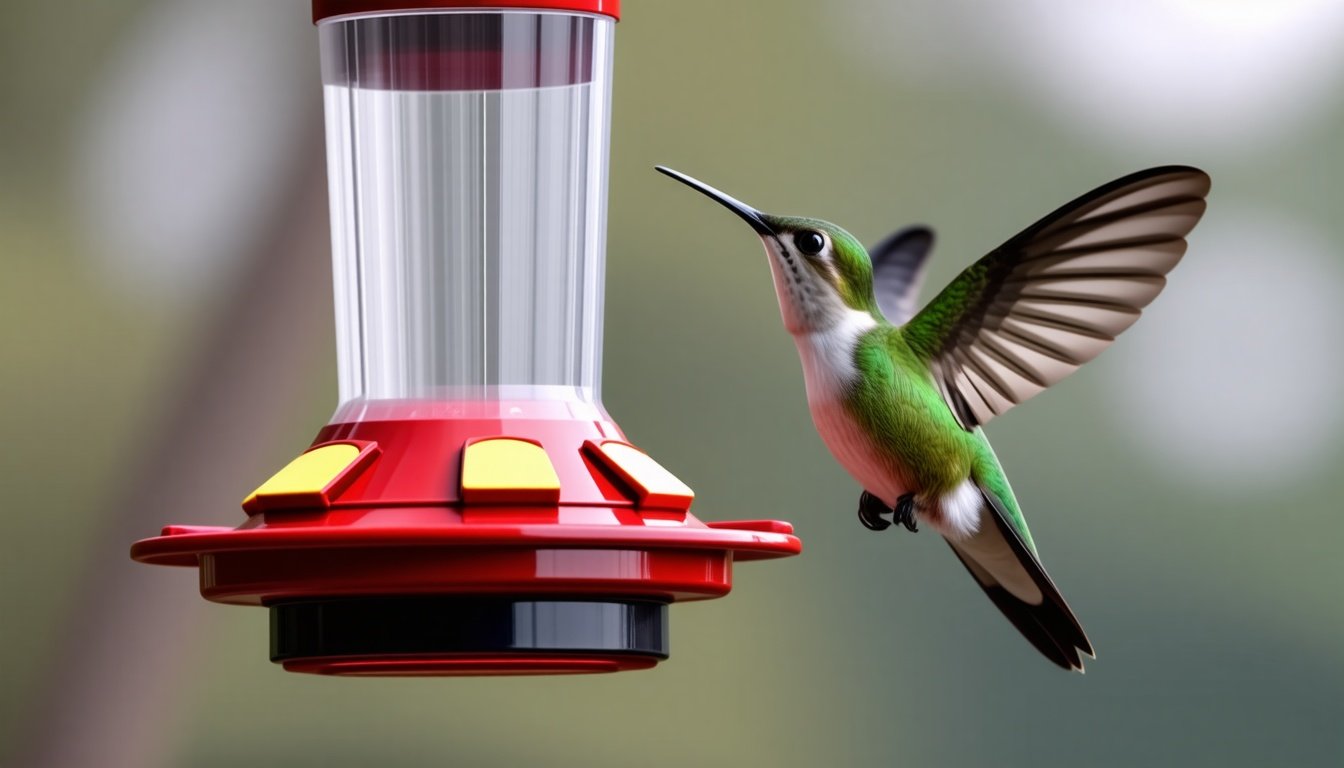
Have you ever caught yourself staring at a tiny hummingbird hovering in mid-air, their wings a blur, their colors flashing like living jewels? It is one of those little moments that remind you how alive your backyard can feel. But attracting these little aerial acrobats isn’t just about hanging a feeder anywhere and hoping for the best. Where you place that feeder can make all the difference between lonely silence and a hummingbird party every afternoon.
So where should you put your hummingbird feeder? It turns out, it is not as simple as slapping it on the nearest tree branch. If you want to become the ultimate hummingbird hangout, you need to think like a bird. Spoiler: it has less to do with you and more to do with what makes them comfortable, safe, and excited enough to show up.
Why Does Placement Even Matter?
You might wonder, “Is it really that important where I hang this tiny sugar bar?” Think about it this way: if you walked into a room where someone offered your favorite food but there was a scary dog growling nearby, would you stick around? No, right? Hummingbirds are just like you and me. They like safety, easy access, and sometimes a little privacy. Setting up your feeder in the right spot is like rolling out the red carpet specifically for them.
Besides, hummingbirds are super territorial little creatures. They do not just flit around randomly; they patrol their feeding spots like tiny feathery bodyguards. If your feeder is in a bad spot—too exposed, too close to their enemies, or just plain inconvenient—they might skip your place altogether.
Pick a Spot With a View (But Not Too Much Drama)
Ever sat in a café by the window, watching the world pass by? That is the vibe hummingbirds like to have. They want a spot where they can easily see their surroundings, spot predators (hello, neighborhood cat), and keep an eye on the competition. Perching nearby lets them rest in between their frantic flights.
What does this mean for you?
- Find a visible perch: A thin branch, a sturdy twig, or even a decorative hook close to your feeder where they can chill.
- Keep an open line of sight: They need to see incoming bird traffic and lurking enemies. If the feeder is buried deep between leaves, they might feel trapped or scared.
- Think about your viewing pleasure: You want to watch these marvels, right? Placing feeders near a window (but not right up against it) can make for delightful spectacles.
Shade or Sun? The Never-Ending Debate
This might surprise you: hummingbirds prefer feeders placed in partial shade. Yes, those brilliant little tanks love warmth, but direct blazing sun can turn their sugary nectar into a sticky syrup that ferments quickly. That is bad news for them and a sticky mess for you.
Partial shade means you get the best of both worlds:
- The feeder stays cool enough to prevent the nectar from going bad too fast.
- Warm enough so your tiny visitors feel comfortable stopping by.
- The nectar stays fresh longer, saving you work and dollars.
Try to find a spot where the feeder gets morning sun and afternoon shade or dappled shade throughout the day. If all you have is full sun, consider using a small umbrella or shade cloth to protect your feeder.
Keep Feeders Away From Predators
Imagine hanging out in your backyard, sipping a soda, but constantly glancing over your shoulder because there are neighborhood cats, squirrels, or even angry bees swarming nearby. Not exactly relaxing, right? Birds feel the same. Your feeder needs to be a safe zone.
- Distance from cats and dogs: Keep feeders about 10 feet away from places where furry predators lurk.
- No window collisions: Put decals or screens on nearby windows or position feeders so birds are flying parallel rather than straight into glass.
- Keep bees and ants in check: These little winged pests love the same sweet nectar. Using ant moats or bee guards helps keep these buzzers from intimidating the hummingbirds.
Height Matters, But Not Too Much
Hanging your feeder too high might mean no visitors because those tiny guys have to dodge more dangers. Too low, and your feeder becomes a cat’s playground. What to do?
- A good rule of thumb is about 5 feet above ground. That is roughly eye level for most adults and safe enough for birds.
- Make sure the feeder hangs where you can reach it easily for cleaning and refilling.
- If you have problem neighbors like squirrels, consider putting up a baffle or hanging it from a wire stretched between two poles.
Think About Wind and Weather
Remember last summer’s storm that knocked over your flower pots? Hummingbird feeders are delicate little creatures, and strong wind can turn a nice sugary drink into a disaster zone.
- Choose a spot sheltered from strong winds: Behind a fence, near a wall, or under a dense shrub can reduce swinging and spilling.
- Watch for rain: If your feeder gets soaked constantly, nectar can become diluted and spoil faster.
- Winter care: In cooler months, placing feeders near sunny windows or protected porches can keep nectar from freezing (and hummingbirds warm).
Do You Need More Than One Feeder?
If you are lucky enough to have many hummingbirds visiting your yard, one feeder might not cut it. Having two or even three can prevent territorial fights and give your birds more options.
- Space feeders at least 10 feet apart to reduce aggressive behavior.
- Place feeders at slightly different heights to appeal to all sorts of picky little personalities.
- Avoid clustering feeders too close — hummingbirds are tolerant but still have their boundaries.
A Word About Flowers and Natural Habitat
While your feeder acts as a sugar café, adding native flowers, vines, and shrubs around your yard creates a hummingbird paradise. They love natural nectar sources, and plants provide shelter and places to nest.
- Plant tubular flowers like bee balm, trumpet vine, and salvia.
- Use a variety of colors, especially reds and oranges — hummingbirds see these like bright neon signs.
- Try to keep some water sources nearby, like a shallow birdbath or a fountain with a gentle splash.
Combining feeders with a natural garden sends a clear message to hummingbirds: “Welcome home!”
Quick Tips for a Happy Feeder Experience
- Change the nectar every 3 to 5 days, more often in hot weather.
- Clean your feeder with hot water (no soap) regularly to keep it germ-free.
- Avoid red dyes in nectar — nature does not sneak those in.
- Keep pets away during feeding hours to avoid scares.
- Be patient — hummingbirds are small but smart, and they will find your feeder when everything feels just right.
Final Thoughts
Finding the perfect spot for your hummingbird feeder is a little bit of art and a whole lot of trial and error. But in the end, it is worth every moment when those tiny jewels grace your garden with their wild, dazzling presence. You are not just putting up a feeder; you are creating a little sanctuary where nature bursts into life right before your eyes.
So grab your feeder, think like a hummingbird, and watch your backyard transform. You might just become their favorite stop on the nectar highway.