
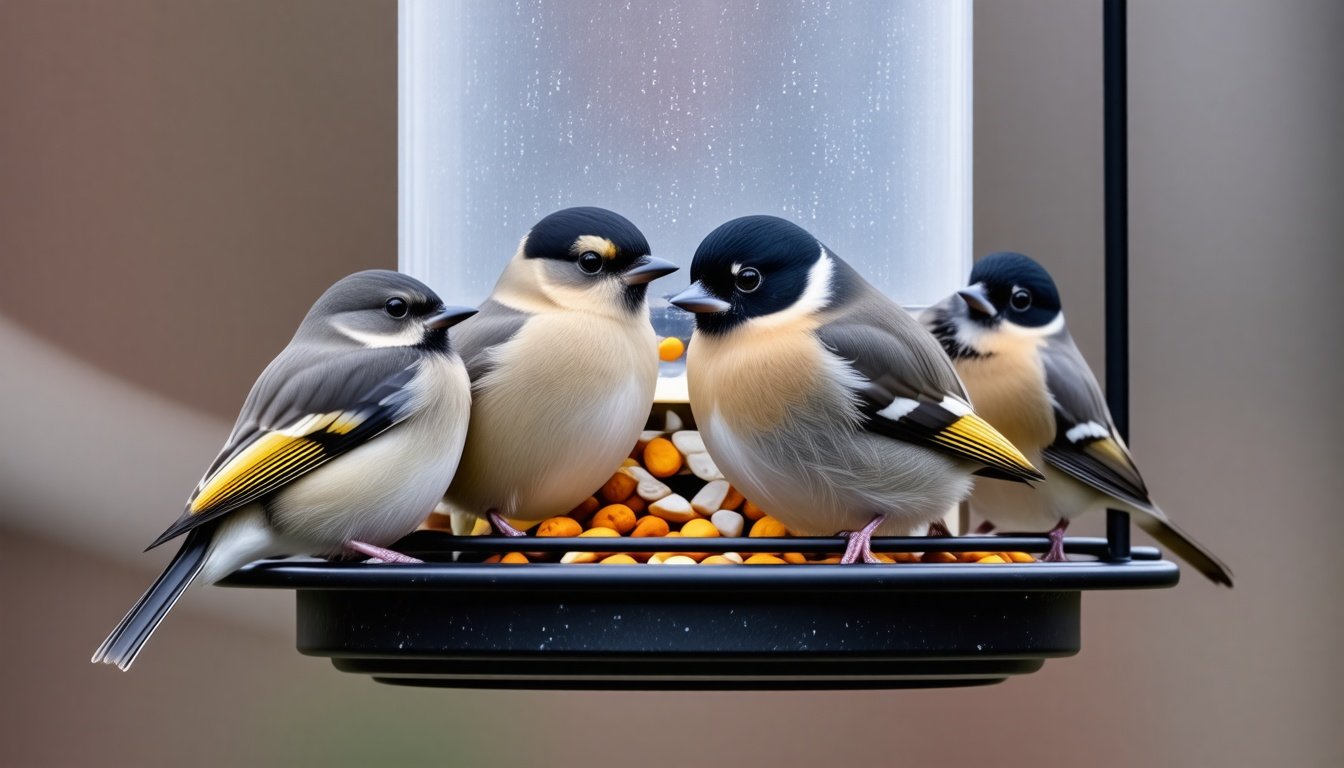
I never thought a simple bird feeder could teach me so much about little feathered visitors. I mean, I have had a bird feeder hanging on my porch for years. It was nothing fancy—just a basic tube filled with black oil sunflower seeds. Birds came and went. Mostly sparrows, a few finches, maybe a bold cardinal if I was lucky. But I felt like I was missing out on a bigger story. What else do these birds like? How picky are they? What if I tried mixing things up? Spoiler: the result was way more interesting than I expected. You might even say it became a tiny wildlife soap opera playing out right outside my kitchen window.
So I went on a little experiment. I grabbed a handful of different feeders—some homemade, some bought, some just clever tweaks. I offered a variety of seeds, suet, nectar, and even kitchen scraps. What happened next? I saw some birds ignoring what I thought was their favorite food. Others showed up suddenly, like they got a top-secret invitation. Some gave me the stink eye from afar. A few turned into regular breakfast guests, the kind I started naming. What I learned was equal parts surprising, funny, and oddly touching. And yes, if you love birds or just want to make your yard a bit more alive, this story might help you too.
My First Step: Figuring Out What Feeders to Try
At first, I had no plan. I was just buying whatever bird feeder caught my eye at the store or which seemed easy to make from old stuff around the house. I ended up with:
- A classic tube feeder with sunflower seeds
- A suet feeder made from a little wire cage holding a homemade fat and seed cake
- A hopper feeder – basically a tiny bird buffet with a roof
- A hummingbird feeder with red nectar
- A platform feeder made with a shallow tray for mixing things up
That was my starter pack. Some were fancy, some were rusty, but all were ready to welcome whatever birds wanted to show up. I set them up in different parts of my yard: some near trees, others hanging from wires or poles. The idea was to give birds options—kind of like having a food court outside. Little did I know my yard was about to become a hotspot for bird drama.
Lesson One: Birds Are Food Snobs
It might sound funny, but birds have tastes. I figured birds would just go for seeds. They eat bugs sometimes, but if you put seeds out, they would come, right? Nope. Well, some did. The tube feeder with black oil sunflower seeds was a hit with chickadees and finches. But the sparrows seemed bored, pecking half-heartedly like they were at a bland restaurant.
Then came the suet feeder. At first, it sat untouched for almost a week. I thought maybe the recipe was wrong or the birds just did not care. But one chilly morning, a woodpecker arrived, and suddenly the suet became the hottest spot on the block. Soon, jays and nuthatches joined in, pecking happily. I learned that suet is like the bird equivalent of a greasy, delicious street taco—especially in colder weather. It gave these birds the fats and energy they craved and the feeder became a magnet.
Sunflower Seeds, Mixed Seeds, or Nutty Treats?
I also tried switching seeds around. Instead of just plain sunflower seeds, I added nyjer seed (tiny black thistle seeds), and a mix that had cracked corn, millet, and safflower. Here is what I found.
- Nyjer seed: This brought in goldfinches, pure and simple. They love these little seeds, and they preferred the tube feeder designed for nyjer seeds with tiny holes. It kind of limits the big birds from stealing the goods.
- Mixed seeds: This attracted house sparrows and doves, but the finches seemed less interested. They passed by like they were skipping dessert.
- Safflower seeds: Surprisingly, cardinals loved these. I am pretty sure cardinals have a secret crush on safflower seeds because they ignored the sunflower seeds once safflower was about.
What I thought would be simple turned into a lesson: different birds have different favorites, and some feeders seem made just for certain tastes.
Lesson Two: Feeder Type Shapes Who Shows Up
Not all feeders are created equal. How the food is presented mattered a lot more than I expected. Here is what I noticed.
- Tube feeders: Great for small birds who do not want to share space with big, pushy birds. Chickadees, titmice, and finches loved these. They perched neatly on the small holes and snacked quietly.
- Hopper feeders: These were like an open restaurant. Big doves, cardinals, and even squirrels frequented these. The problem? Squirrels are like the party crashers of the wildlife world. They gobbled seed and scared off the birds. I had to get a squirrel baffle later.
- Platform feeders: These were kind of messy but fun. Doves, sparrows, juncos, and even a curious robin started stopping by. The robin’s visit was a highlight. I did not expect him to eat seeds, but he was probably checking for bugs or leftovers.
- Suet feeders: As mentioned, these attracted insect-eaters and woodpeckers, especially in cold weather. They did not appeal to the seed eaters much.
- Hummingbird feeders: These were a show on their own. I saw ruby-throated hummingbirds, and once a brave swallowtail moth tried drinking the nectar, to my amusement.
It was clear the style of feeder sends out a signal. Like a dress code for birds. Some wanted sit-down dining on tiny perches, others liked buffet style, and some fancied a quick snack on the go.
Lesson Three: Location Is the Unsung Hero
I thought, “Put feeders near trees, done.” But nope, birds care about feeling safe and having a quick escape route. Position mattered as much as what was in the feeder.
- Feeders hung right on thin branches were popular because birds could dart into leaves fast if a hawk showed up.
- Feeders in wide-open spaces were more open to invasions—from squirrels, cats, and even nosy neighbors’ dogs.
- Some birds preferred feeders near water sources. Having a bird bath nearby meant longer visits and more bird chatter.
- Sunlight mattered too. Feeders in morning sun caught more traffic than shaded ones.
Turns out, the birds want great food but also a good vibe. It is like us picking a cafe with comfy chairs and not just the menu.
Lesson Four: Patience and Observation Pay Off
At first, I got frustrated. I put out food and waited a day with no visitors. I thought maybe I did something wrong. But then the next day brought new guests. Sometimes a week later, a different bird showed up. It was like getting a surprise letter in the mail from a friend I forgot I had.
I started keeping a notebook—really, a simple list—and it was fun tracking which birds showed up when, what they ate, and which feeders went ignored. It felt like having a secret club where the birds were the members. I felt connected to them in a way I never expected.
Sometimes it was a quiet moment, watching a chickadee tilt its head, trying to figure out how to get sunflower seed out. Other times, it was a raucous tussle between a squirrel and a jay. Those moments made me laugh out loud in the middle of the day.
Lesson Five: Homemade Feeders Are a Game Changer
I also tried some DIY feeders made from recycled stuff. A pinecone smeared with peanut butter and rolled in seeds? A toilet paper roll coated with suet and seed? A milk carton cut and strung up as a platform? These feeders brought their own charm.
Not only were they cheap, but they attracted some of the most curious birds. The pinecone feeder was a hit with small songbirds and chickadees that liked to pick away at the peanut butter and seeds. The milk carton platform became a favorite breakfast nook for sparrows and juncos.
Plus, making feeders felt like a craft project where the prize was a window full of happy birds. If you feel like trying something easy and fun, those are great starter projects.
Bonus Observation: Bird Friends and Foes
Bird feeders are also tiny stages where the social rules of the bird world play out. I saw the bold birds take over and the shy ones hang back. Jays acted like the bosses, pushing others around. Sparrows formed little cliques. Cardinals came solo, looking majestic (and a bit grumpy).
And then there were the uninvited guests: squirrels, chipmunks, and sometimes even rats. I learned quickly that you have to think about feeder design that keeps these party crashers at bay if you want to protect your seed and maintain peace.
Final Thoughts From My Feathered Classroom
What started as a random experiment turned into a meaningful connection with the little lives that share my space. I learned that birds have preferences, habits, and personalities, just like we do. Offering different feeders means giving chances for more bird species to visit and thrive.
If you want to try this, start simple. Pick two or three feeder types and see who shows up. Note what food they prefer. Move feeders and experiment. Get a little messy. Let your backyard become a living classroom—and maybe a little comedy show.
The birds are watching, listening, and maybe judging your feeder choices. But the best part? They will also thank you with visits full of life, color, and tiny chirps that make the day better in ways you did not expect.