
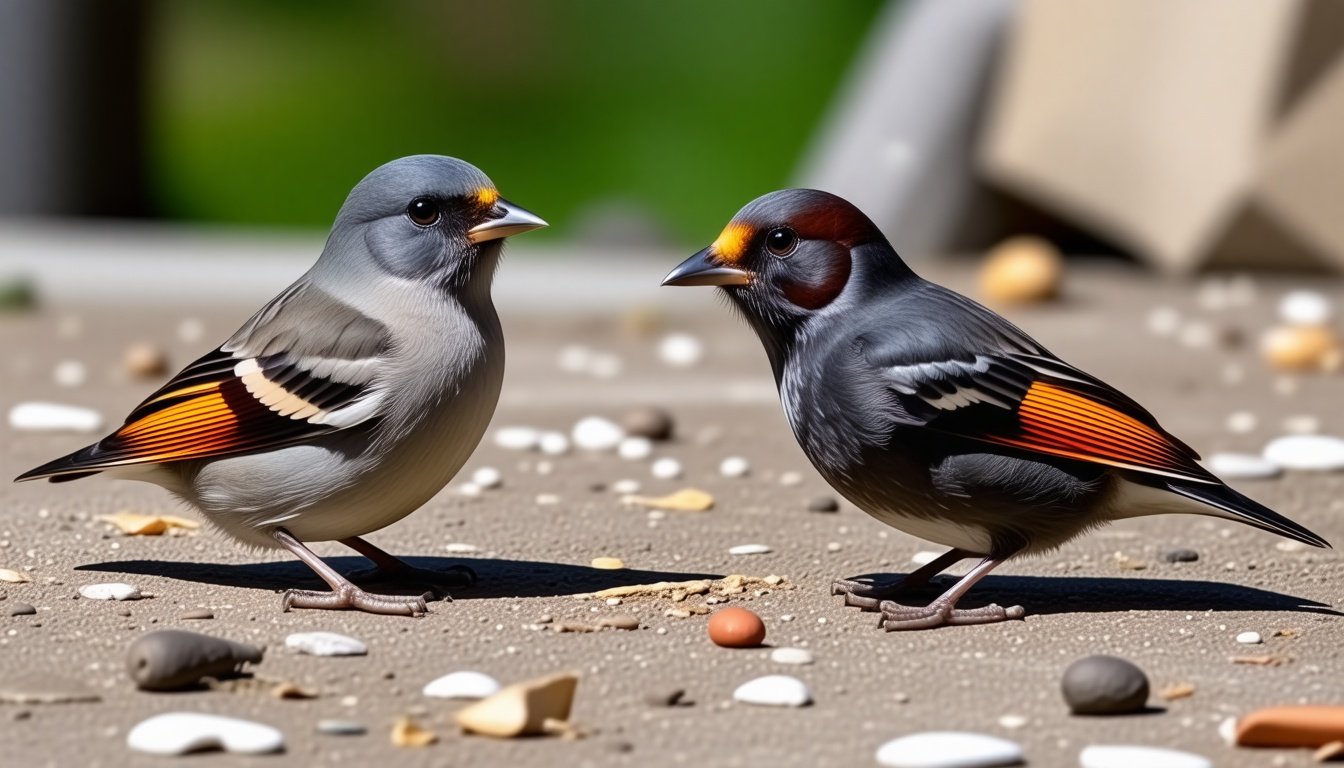
Watching birds feed is like having a tiny, live soap opera playing out right outside my window every single day. It is simple, yet endlessly fascinating. At first, I thought it was just about filling a feeder and hoping for some colorful guests. Nope. It is a full-on crash course in personality, patience, and pure nature drama. The more I watched, the more I realized these little feathered characters had a lot to teach me about life, behavior, and maybe even myself.
If you think bird feeding is just about throwing some seeds out there and seeing what comes, you might want to pull up a chair. Because once you start paying close attention, you notice things you never imagined. The way birds size each other up, who makes the first move, who gets bossy, who waits their turn, and who just can’t help but squabble over a single crumb.
The Early Bird Catches More Than Just the Worm
One of the first things I noticed was that birds have their own rush hour. Morning is prime time. As the light leaks in, the first brave souls flit down and start exploring the buffet. There is a certain urgency in their movement that is almost contagious. You can almost feel the caffeine buzz. Or maybe it is just hunger.
Watching them taught me patience. Sometimes, those first arrivals are cautious, hopping around, testing the ground for danger. Other times, they dive right in as if the party started yesterday. It depends on the species and who is around. This early feeding frenzy sets the stage for the entire day’s social dynamics. And yes, just like humans, some birds are morning people and others are more of the slow starters.
Who Gets the Good Stuff?
It quickly became clear that not all seeds are treated equally. Sunflower seeds seem to be the beloved treat, sparking little battles. Meanwhile, millet is more like the plain oatmeal of the bird food world—still eaten, but with less drama.
There is a hierarchy, a pecking order (literally), that determines who gets the prime spots and the tastiest morsels. The cardinals tend to be the loud, confident types, showing up in bright red suits and staking their claim with no apologies. The finches might be quieter, sneaking in quickly and taking what they can grab. It is like watching a marketplace where some have VIP access while others wait patiently at the back.
Birds Teach You the Art of Waiting
Not all birds are aggressive about their meals. Some are masters of patience, hanging back and observing before making a move. Watching these little waiting games felt like a lesson in how not to lose your cool in a busy, chaotic world.
Sometimes a bold bird clears out a spot, and the patient ones swoop in only after the coast is clear. Other times, waiting is more strategic—a kind of socially polite move, where smaller birds give bigger ones space, knowing it will pay off later. It is almost like they understand that peace is often better than a scuffle, even if that means waiting a bit longer for dinner.
Sharing Is Not Always Caring
It does not surprise me that birds can be selfish when it comes to food. But what caught me off guard was how creative they get to keep their snacks safe. Some birds stash seeds in their cheeks like tiny squirrels, puffing up in the most adorable way. Others are true fence-sitters, holding their ground fiercely, refusing to share that precious patch of feeder space.
And yet, there are moments when sharing seems to happen. I have seen a cardinal and a titmouse peacefully nibble side by side, taking turns without the usual eye daggers. Maybe hunger makes friends out of foes, at least for a little while.
Surprising Social Circles
You might think birds stick only to their own kind. Nope. Watch closely and you will see all kinds of species mixing at the feeder, like an unexpected party full of different guests. There is a fascinating mix of cooperation and competition happening at once.
Some birds seem to follow others around like little groupies, jumping in when it is safe, or moving on when a dominant bird shows up. This dance is a delicate balance between trust and caution, and it changes day by day.
How Feeder Design Changes the Game
After a few weeks of watching, I started tweaking my bird feeders. Tiny details like where the feeder hangs, how many perches it has, and what kind of seeds I put out changed the behavior dramatically.
- If the feeder has multiple ports, more birds can eat at the same time, reducing fights.
- Feeders designed with small openings keep out the big bullies and let smaller birds have a turn.
- Adding variety in seeds attracts different species, making the show even more interesting.
Sometimes a simple DIY tweak made the difference between a quiet cluster of nibblers and a full-on foodfight.
The Drama of the Scatter Feed
Spilling seeds on the ground adds another layer to the feeding theater. Ground feeders like juncos and sparrows come in after the aerial feasting. Watching this second act taught me about patience and opportunity.
These birds are more cautious, hopping and pecking quickly between sips of water or sudden sounds. They remind me of people grabbing a quick snack during a busy day—always alert, moving fast, but savoring each bite.
Feeding Times Are Mini Life Lessons
What really surprised me was how tuned in I became to their little routines. Sure, birds do not have calendars or alarms, but their sense of timing is remarkable. They come and go almost like clockwork. Some days they arrive earlier, on others later, probably influenced by weather or how crowded it is.
Watching this gave me a moment to slow down, breathe, and appreciate routine in a way I never expected. Maybe that is one of the best things about feeding birds: it forces you to be present.
What Feeding Birds Teaches About Care
There is something deeply rewarding about providing food and seeing the direct impact it has. The way birds change from cautious to confident visitors feels like earning trust—simple, honest, and touching. You start caring about their well-being in a very real way. It is not just a feeder anymore; it becomes a little sanctuary, a shared space where connections form.
And if you think you need a fancy feeder or a huge garden, think again. Even a simple tray or a little homemade seed mix can bring visitors. The magic is in watching, waiting, and appreciating every twitch of a tail or flutter of feathers.
Birds Can Teach Us About Community
Maybe the biggest surprise comes from seeing how birds—so different yet so alike—manage to coexist, share, and sometimes clash over a meal. It is a tiny mirror of our own lives, packed with humor, frustration, patience, and moments of grace.
Next time you hear the flutter of wings or see a flash of red or blue at your feeder, remember this: you are watching a story unfold, one snack at a time.
So grab a cup of something warm, pull up a chair, and see what lessons your backyard birds have to share. Trust me, it is worth every seed spilled.