
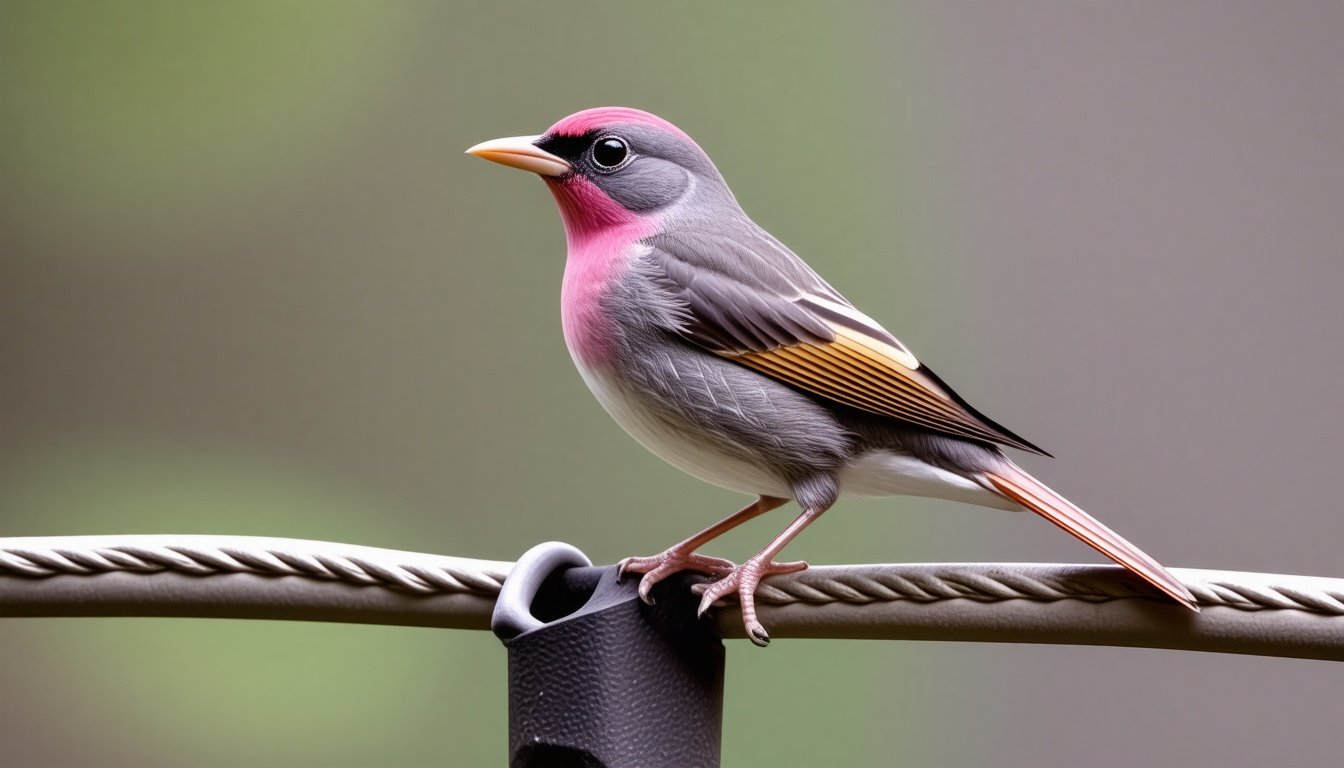
There is something about stepping outside on a crisp morning and hearing the chatter of birds that feels like a secret handshake with nature. Backyard birdwatching, especially in the Northeast, is like opening a window to a lively, feathered community that’s right at your doorstep. You do not need fancy gear or a PhD in ornithology to enjoy it. Just a little patience, an open heart, and maybe a simple DIY bird feeder can turn your yard into a buzzing bird café. Curious about who might drop by? You are in the right spot.
Here, I want to introduce you to 15 common backyard birds of the Northeast United States — the everyday guests who bring color, song, and sometimes comedy to outdoor spaces. They each have their unique quirks and favorite snacks. Learning to spot them and figuring out what they like to eat is the first step toward a more exciting, bird-friendly yard.
1. American Robin
The American Robin is like the neighborhood’s early riser. You will often hear its cheerful, melodic song at dawn. This plump bird wears a rusty red belly that makes it easy to spot hopping around lawns, pecking at worms or berries. Robins are not picky and will visit your yard if you have fruit trees or berry bushes. Pro tip: a simple platform feeder with chopped apples or raisins can be irresistible to them.
2. Northern Cardinal
The Northern Cardinal is the rock star of Northeast backyards. With that blazing red coat and impressive crest, you cannot miss it. The males are fiery red, while females sport a warm, brownish tint with hints of red. Cardinals love sunflower seeds and are regular visitors to tube feeders. They also appreciate a bit of cover, so planting shrubs nearby might score you more visits.
3. Black-capped Chickadee
If you want a little feisty friend, the Black-capped Chickadee fits the bill. These tiny birds have big personalities—sometimes they will even land on your finger, if you are patient enough. They are known for their “chick-a-dee-dee-dee” call, which sounds like they are gossiping. They favor sunflower seeds and peanuts and are quite fond of suet in the winter months.
4. Blue Jay
The Blue Jay is a striking bird with bold blue feathers and a loud, sometimes raucous voice. They can be a bit bossy at feeders, but who can blame them? Blue Jays are clever and known to mimic hawk calls. They like peanuts (especially in the shell), sunflower seeds, and corn. If you are thinking about a DIY feeder project, consider a platform feeder where they can comfortably land.
5. Mourning Dove
These soft, grey birds with black spots are surprisingly graceful and often quite shy. Mourning Doves eat seeds that have dropped to the ground, so a ground feeder or a simple scattering of millet on the lawn will bring them around. Their gentle cooing can feel like a soundtrack to a peaceful afternoon in the backyard.
6. Tufted Titmouse
With a mix of gray and white feathers and a spiky crest, the Tufted Titmouse is cute and curious. These little guys are friendly and tend to flit around in pairs or small groups. They like sunflower seeds, peanuts, and suet. One idea: try a feeder that allows access to smaller birds but keeps out the bigger, pushier ones for a happy crowd.
7. Downy Woodpecker
Downy Woodpeckers might be the comedian of the yard, constantly tapping and drumming on trees or feeders. They have black and white patterns and a tiny red patch on the back of their head (males only). Suet feeders are a big hit with them—think of it as a protein bar for birds. They also like peanuts and sunflower seeds.
8. White-breasted Nuthatch
These birds are acrobats. Ever watch a bird climb down a tree headfirst? That is a white-breasted nuthatch showing off. They have a slate-blue back and a crisp white front, with a black cap on their head. Their favorite snacks include peanuts and sunflower seeds, especially placed on a tray or platform feeder where they can cling and peck.
9. House Finch
Don’t let the name fool you; House Finches are far from dull. Males showcase a bright red head and chest, though the red can vary from orange to almost pink. They are cheerful, social birds and often seen in groups. Their seed of choice? Sunflower seeds and millet. They are not fussy and will flock to tube feeders or tray feeders alike.
10. Red-winged Blackbird
Spotting a male red-winged blackbird is like catching a flash of ink with a red epaulet. They strut around wetlands but do visit backyards, especially near water or marshy areas. These birds eat weed seeds, grains, and occasionally insects. They are a bit more wild and might need a bigger feeder area or some fresh water nearby to feel at home.
11. Common Grackle
Grackles are the drama queens of the bird world. They shine with glossy black feathers that sometimes flash blues and purples in the sunlight. They tend to travel in noisy flocks and enjoy cracking open seeds or snatching grubs. Their big beaks mean they can get more creative with their feed. Try mixing cracked corn with sunflower seeds for them.
12. Carolina Wren
These little balls of energy have rusty brown feathers and a constant chatter. Wrens love hiding in nooks and crannies, making them fun to spot if you have brush piles or dense shrubs. They prefer suet and mealworms, and they will also visit small platform feeders. Their loud, repeated song is worth every moment spent trying to catch a glimpse.
13. Eastern Bluebird
With its soft blue back and rusty chest, the Eastern Bluebird looks like it just stepped out of a fairy tale. Bluebirds enjoy open spaces like lawns and fields, often perching on fences near your yard. They love live mealworms and berries, so a DIY mealworm feeder might be a great idea. Nest boxes also encourage these birds to settle near you.
14. Goldfinch
The American Goldfinch is like a splash of sunshine in your backyard. Males wear bright yellow feathers with black wings, especially in summer, while females stay more muted. They adore nyjer seed, which is tiny and fits perfectly into special mesh feeders. Goldfinches are a bit shy but will reward your patience with delightful acrobatics.
15. Eastern Towhee
Often heard more than seen, the Eastern Towhee has a deep, scratchy song that sounds like “drink your tea!” Males show off black, white, and rufous colors. Towhees are ground foragers who love to scratch through leaf litter for insects and seeds. Scattering some black oil sunflower seeds on the ground or using a ground feeder will make them feel welcome.
DIY Bird Feeder Tips for Your Feathered Friends
Now that you know who might visit, the next logical step is asking: How do I keep these birds coming back? The answer is simple—feeders tailored to their favorite foods and some cozy spots to hang out.
- Seed Mixes Matter: Not all birds eat the same seeds. Black oil sunflower seeds attract a wide variety of birds. Millet is great for ground-feeders like sparrows and doves. Nyjer seed is a magnet for finches.
- Suet for Protein: Especially in chilly months, suet feeders provide energy for woodpeckers, chickadees, and nuthatches.
- Water Source: Birds drink and bathe. Adding a birdbath (even a simple DIY one) can be a game-changer.
- Shelter and Cover: Plant shrubs or install brush piles to give birds places to hide from predators or bad weather.
- Keep It Clean: Regularly wash feeders to prevent mold and diseases. Remember, happy healthy birds keep coming back.
Simple DIY Feeder Ideas
Feeling crafty? Here are a few ideas you can try at home to welcome these feathered neighbors:
- Peanut Butter Pinecone Feeder: Smear peanut butter on a pinecone, roll it in birdseed, and hang it with twine. It is great for chickadees, nuthatches, and woodpeckers.
- Empty Milk Jug Feeder: Cut holes in an old jug, insert wooden perches, and fill with seeds. Easy, cheap, and recyclable.
- Orange Half Feeder: Cut an orange in half, scoop out the fruit, fill with seed or suet, and hang it outside. Attracts robins and orioles.
- Mesh Sock Feeder: Fill a clean mesh sock or pantyhose with cracked corn or sunflower seeds, tie the end, and hang it up. Perfect for jays and grosbeaks.
Watching birds in your backyard is a simple joy that reminds you how alive your neighborhood really is. Every chirp, flap, and flutter is a tiny story unfolding right outside your window. So, grab some seeds, find a quiet spot, and say hello to your new friends. They are waiting.