
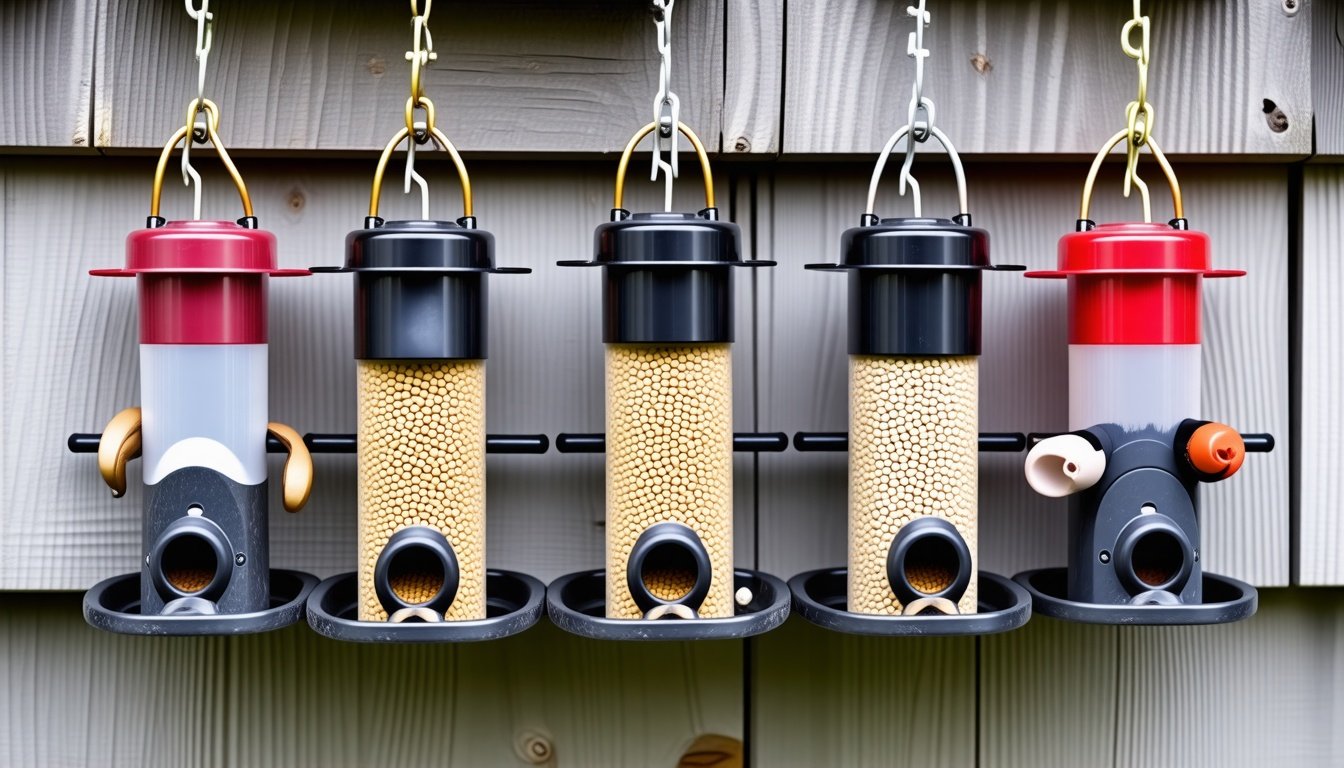
Bird feeders are like little invitations scattered around your backyard, whispering to noisy robins, chirpy sparrows, and even the shyest finches. But where do you hang these invitations? Up high where the branches sway? Or down low, closer to the ground where you can almost touch them? Believe it or not, where you hang your feeder changes everything—how birds find it, who actually shows up, and even how often squirrels crash the party.
So here we are, standing in the great backyard wilderness, holding a feeder and wondering: should this go high or low? Let us unravel this mystery together, with enough honesty and humor to make your local cardinal chuckle.
High Feeders: The Sky-High Perches
Hanging your bird feeder up in the air sounds fancy, right? Like daring the birds to catch a snack among the leaves and branches. But there is more to high feeders than just looking cool.
Why Hang Feeders High?
- Safety for Birds: Predators hate heights. Cats, raccoons, and even neighborhood dogs find it harder to sneak up when the feeder is a few feet off the ground.
- Less Mess: Dropped seeds or shells have more room to scatter, and they stay away from your patio furniture or garden beds.
- Better Viewing Experience: Let us face it—watching birds swoop down from above makes for pretty awesome entertainment.
The Not-So-Great Things About High Feeders
- Squirrel Olympics: Squirrels are like tiny acrobats. They love leaping from nearby trees or poles to reach high feeders. Expect them to show up uninvited.
- Challenging to Fill and Clean: Unless you have a broomstick with a magic grip, refilling a feeder hanging 8 feet up can turn into a workout session.
- Wind Hazard: Up high, your feeder might swing or spin wildly in the breeze, spilling seeds all over the place (both a mess and a feast for unwanted guests).
Low Feeders: The Ground-Level Gathering Spots
Now, putting your feeder near the ground feels friendlier. You want to be close enough to say, “Hey there, little bird!” But inviting birds to dine low has its own set of quirks.
Why Go Low?
- Easy to Reach: No ladders, no stretches. Filling and cleaning your feeder becomes a daily pleasure rather than a chore.
- Ground Feeders for Ground Birds: Certain species like wrens, juncos, and doves prefer feeding closer to the earth. Low feeders cater to their tastes.
- Less Swinging: Because they don’t dangle from trees, low feeders stay put even on windy days.
But There Are Pitfalls to Being Low
- Vulnerable to Predators: Cats, snakes, and raccoons are just a hop away, turning your peaceful feeder into a risky zone.
- The Squirrel and Rodent Buffet: On the ground, squirrels and mice move in like they own the place. Sometimes, you might wonder if the birds even get a bite.
- Mess and Mold: Seeds dropped on the ground can sprout unwanted plants or turn moldy, which is bad news for your feathered friends.
Which Birds Prefer What?
Not all birds have the same manners or habits. Some like dining with a view, while others prefer the privacy (and safety) offered by shrubs.
- High Feeders Attract: Chickadees, nuthatches, goldfinches, and many woodpeckers love high perches. They feel safer and more comfortable taking quick flights to a high feeder.
- Low Feeders Attract: Towhees, juncos, doves, and quails gather around low feeders where they can scratch and peck the ground.
So, your choice might change the guest list. Want a bit of both worlds? Some bird fans use multiple feeders at different heights.
The Squirrel Situation: Friend or Foe?
If you ever wondered why a “bird feeder” often becomes a “squirrel playground,” hanging it high or low might affect that. Squirrels are crafty little bandits. They climb, leap, and use every trick in the book to steal your seeds.
Put a feeder high, and squirrels find clever ways to get there—jumping from trees or poles. Put it low, and it is nearly an all-you-can-eat buffet for them.
To fight back, some folks add baffles—those funky-looking dome or cone guards—either above or below feeders to keep squirrels from climbing. But even then, squirrels rarely give up easily.
Other Things to Think About
Weather and Sunlight
High feeders get blasted by sun and wind more. Too much sun can spoil seeds faster. Low feeders hide under bushes or in shaded spots, helping seeds last a bit longer. However, dampness near the ground could cause mold.
Windows and Viewing Pleasure
If your window looks out onto a spot, placing the feeder where you can see birds easily matters. Too high might strain your neck. Too low might put feeders in hiding.
Safety for You and The Birds
Avoid hanging feeders too close to windows — birds can crash into glass. Whether high or low, a distance of at least 3 feet from windows is good. If you want birds close, consider window feeders designed to stick right to the glass.
DIY Feeder Ideas: Where to Hang Them?
Building your own feeder is half the fun. From pinecone feeders dabbed in peanut butter to recycled bottles or handcrafted wooden troughs, each design has a sweet spot.
- Pinecone Feeders: These hang well high on branches, away from squirrels and cats.
- Tray Feeders: Often better low, on a stand or flat surface. Great for ground-feeders.
- Tube Feeders: Usually hang high from tree limbs or hooks.
- Suction Cup Feeders: Stick them on windows at eye level for close-up watching.
Mixing it up keeps your backyard buzzing and makes your birds feel like they have choices. Birds do get picky—sometimes downright moody—about where they eat.
Final Thoughts (Promise, No Professor Talk)
Do you want drama, variety, and a skyline full of tweeting? Go high. Want to get close and cozy with ground-feeders from your kitchen window? Go low. Or, better yet, do both. Your backyard is your stage, and the birds are the performers. Adjusting your feeder height will tune the show just right.
Remember, watching birds is about joy, surprise, and quiet moments of connection. Whether perched on top of a tall branch or fluttering low among the garden flowers, birds bring life and wonder. That little decision about feeder height? It is the first step to welcoming these wild neighbors into your world.
So grab that feeder. Find a spot. Take a breath. Then watch. Because birds have stories to tell, and your feeder is their microphone.