
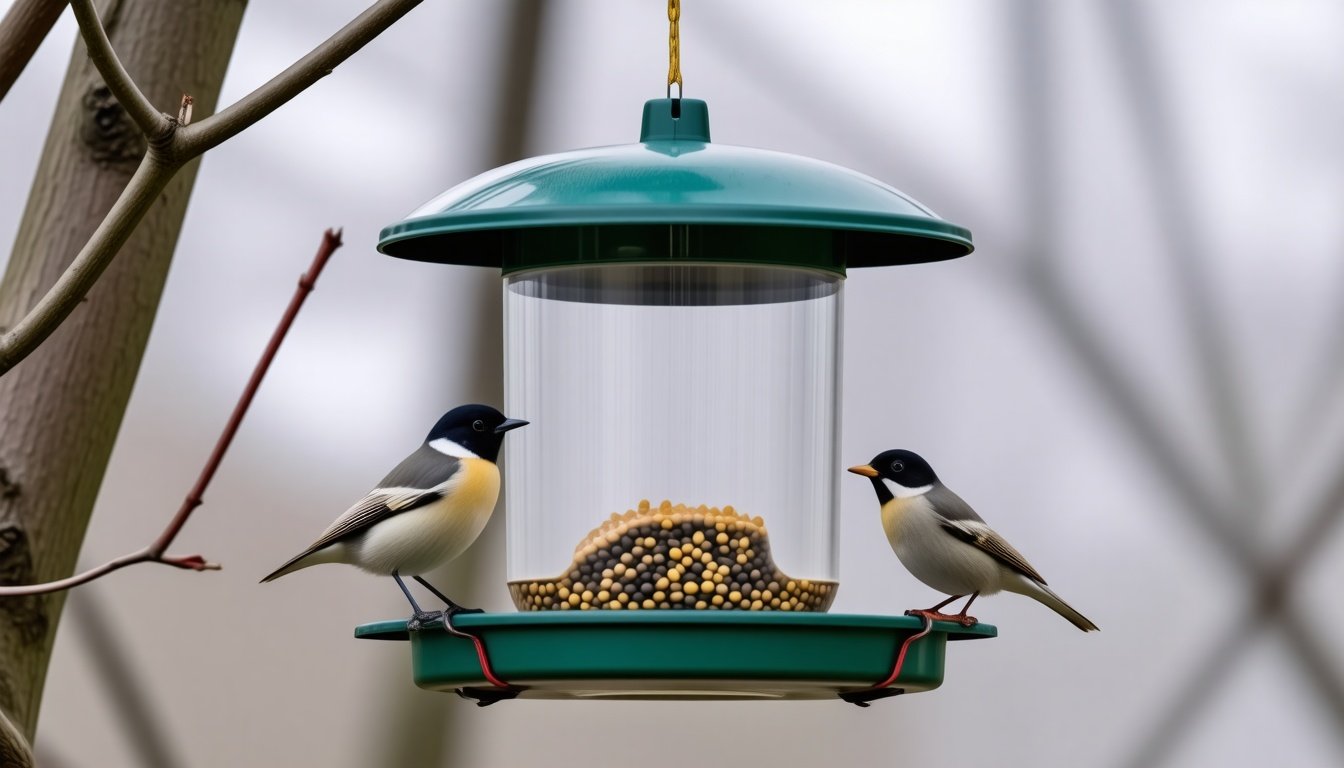
There is something oddly thrilling about the idea of having birds flutter just outside your window, pausing to peck at seeds you leave for them. I always pictured it as one of those simple joys that nature lovers brag about but that I never actually tried. Until one day, I decided to set up my very first bird feeder in the backyard. Spoiler alert: it was nothing like I expected and way more rewarding.
You might think, “How hard can it be? You just hang some seed, wait for birds, and watch them come.” Ha, that was me before I got my hands dirty, literally and figuratively. Setting up a bird feeder turned out to be a surprisingly personal adventure filled with patience, mistakes, little victories, and yes, some unexpected lessons.
Why I Wanted a Bird Feeder in the First Place
Honestly, it started with boredom and a bit of envy. During a friend’s barbecue, I noticed their backyard was alive with tiny colorful birds darting in and out. I asked, “How do you get them to come here?” The answer was simple: a bird feeder. Perfect, right? A tiny window into wildlife without leaving home.
But it also felt like a little challenge. Could I create this neat little bird haven with zero experience? I had no idea about bird species, seeds, or feeder types. I was just a city dweller trying to bring a bit of wild into my patch of green. And that charm, that little slice of the outdoors, felt like something I needed after long hours trapped indoors with screens and deadlines.
The First Step: Picking the Right Spot
This was trickier than I thought. I imagined slapping the feeder on a random tree branch, filling it, and done. Nope. Turns out, birds are picky about where they eat.
- I learned they want somewhere safe from cats and squirrels. Not so easy in a neighborhood full of sneaky cats.
- They like some cover nearby—trees or bushes—to hide if they get scared but still want a clear line of sight to the feeder.
- Also, direct sunlight all day can spoil the seeds and make the birds uncomfortable.
After several failed attempts where my feeder was either ignored or attacked by squirrels, I found a perfect spot near a bush that gave birds quick cover. It was shielded from the afternoon sun and somewhat out of reach of the local cat mafia.
The Secret Squirrel Struggle
Oh my goodness, those little grey bandits are crazier than I imagined. My first feeder was quickly transformed into a squirrel playground. They figured out how to hang upside down, chew on the feeders, and empty the seeds faster than the birds even noticed. It was like watching a heist movie, but I was the target.
I tried to feed the birds, but it started to feel like I was feeding squirrels and birds were just the occasional extras. Some quick googling helped me find squirrel baffles—those neat plastic or metal shields that stop them from climbing down onto the feeders. Installing one felt victorious. Finally, birds got their turn.
What Kind of Bird Feeder Should a Beginner Choose?
This question felt overwhelming. There are tube feeders, platform feeders, hopper feeders, suet feeders, and probably feeders named after dogs and planets too.
To keep things simple, I started with a basic tube feeder. It was cheap, easy to fill, and not terribly complicated to hang. I also bought a small platform feeder later to attract different kinds of birds—because some like to sit while they eat, and some prefer to cling on.
- Tube feeders are like seed dispensers with little perches. They mostly attract finches and chickadees.
- Platform feeders are flat trays that many kinds of birds enjoy. The downside is they leave seeds exposed and attract squirrels and other critters.
- Hopper feeders look like mini houses that hold a lot of seed. They are fancy but a bit more work.
My advice for a newbie? Start simple, and observe what your feathered visitors like. That way, you can get the right feeder for your local birds later on.
Seed School: What to Put in the Feeder
Turns out, not all bird seeds are created equal. I made the rookie mistake of buying a “wild bird mix” from the supermarket. It contained a lot of filler seeds like milo and red millet that my birds ignored. The squirrels, however? They gobbled it up like candy.
After some trial and error, I discovered black oil sunflower seeds. They are tiny powerhouses of nutrition that attract a wide variety of birds. Plus, many birds can crack them open easily, while squirrels find them less interesting (though they do not give up).
I also learned that feeding suet cakes (those blocks of fat mixed with nuts and seeds) in cold weather attracts woodpeckers, nuthatches, and other insect-eating birds. So, when winter hit, I switched things up.
Watching the Visitors Arrive (or Not)
Setting up the feeder was half the job. The other half was waiting. Oh boy, waiting is hard.
I felt a mix of excitement and frustration during those first few days. No birds showed up. I was convinced I had chosen the worst spot on Earth. Or that birds were boycotting me for some reason.
But patience pays off. On day three, a shy little chickadee fluttered in for a snack. Then a couple of sparrows joined. And soon, a whole cast of backyard regulars started to show up daily.
Watching them was like unlocking a secret performance. Each bird had its own personality—timid, bold, hyperactive. Some hopped in pairs; others took turns, like polite guests at a tiny seed banquet. I giggled more times than I can count.
What I Learned About Birds and Myself
This hobby made me slower in a good way. I started noticing things I never paid attention to before—the way a goldfinch’s wings blinked bright yellow, or the tiny call of a wren hidden in the bushes. I learned patience because nature does not follow my schedule.
And, somewhat surprisingly, I found a rhythm in daily life. Filling the feeder in the morning became a small ritual. It was a moment of calm, a way to connect to the world outside my head.
Some Honest Tips From My Experience
- Start small. You do not need a fancy setup. Your enthusiasm matters more than your gear.
- Be patient. Birds will come. Sometimes it takes a few days, sometimes a few weeks.
- Keep things clean. Old, wet seed attracts mold and can harm birds. Clean your feeder every couple of weeks with warm, soapy water.
- Watch out for squirrels and pests. They can quickly take over. Learn about squirrel baffles and other strategies.
- Observe and adapt. Different bird species prefer different seeds, feeders, and spots.
- Have fun. It is okay to laugh at failed attempts or squirrel hijackings.
Why Backyard Birdwatching Changed My View
Bird watching from behind a window can sound a bit dull to some. But for me, it was a reminder that life is happening, all around, even in the smallest moments. It taught me to slow down, to notice, and to appreciate the wildness that shares our neighborhoods.
Even on rough days, when the world feels heavy or chaotic, watching birds come and go from my feeder gives me a tiny, flickering hope. These small creatures carry on, unbothered by work emails or endless scrolling. It feels like being part of something bigger, without needing to go far.
Final Thoughts (Well, Almost Final…)
If you are thinking about setting up your first bird feeder, go for it. It does not need to be perfect or fancy. Find a spot, get some seeds, defend your feeder from squirrels, and then just watch. You might be surprised by how much joy it brings, how much you learn about birds—and about yourself.
And if you ever feel like you are talking to squirrels more than birds, just laugh it off and keep trying. They are part of the fun.