
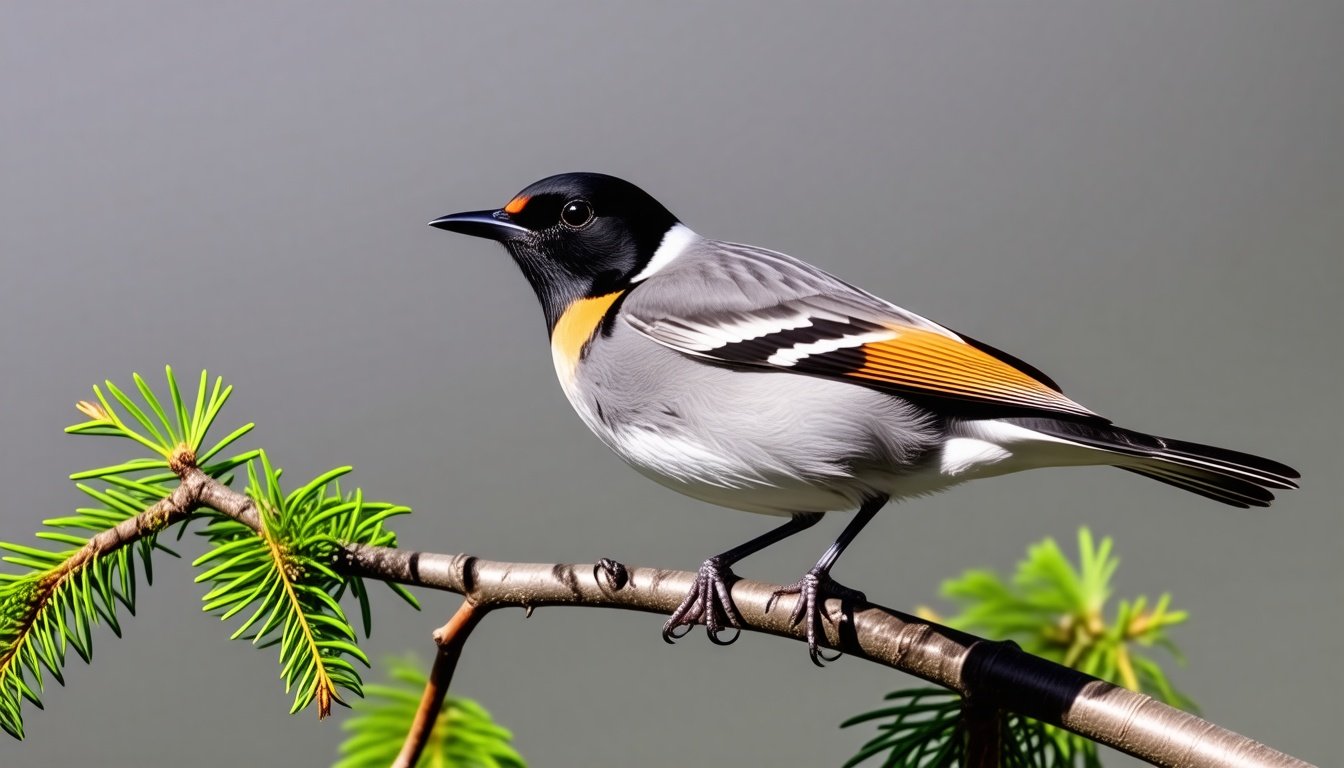
Have you ever stood in your backyard, coffee in hand, watching a flash of color dart through the trees and wondered, “What bird was that?” You are not alone. Birdwatching in your own garden can quickly become an enchanting and absorbing hobby. But when birds come and go with the seasons, and some only visit certain areas, it is easy to feel a bit lost when trying to figure out who’s who. Luckily, identifying birds by region and season is less like solving a mystery and more like reading a really fun, living story that changes throughout the year.
Let us walk through the secrets of bird identification that anyone can learn. You do not need fancy equipment or a bird expert’s brain. Just a bit of curiosity, a notebook if you like, and maybe your homemade bird feeder calling your feathered friends to the show.
Why Region and Season Matter More Than You Think
Birds are like world travelers with very particular tastes. Some leave their summer homes and fly thousands of miles to find just the right winter spot. Others stay put but change their look or behavior when seasons shift. If you understand where you live and what time of year it is, you have already cracked open a giant clue book.
Imagine you spot a bright red bird in October in New England. It probably is not the same red bird you would see in July in Florida. The “when” and “where” narrow down the possibilities so much that identifying your visitor turns from guesswork into a fun, confident discovery.
Regional Flavors: Birds Change Their Address
Bird species have their preferred homes, kind of like us choosing neighborhoods. Some birds thrive in dense forests, others love wetlands, and a few hang out in urban parks. Your backyard’s surroundings tell you which birds might drop by.
- Coastal Areas are popular for gulls, shorebirds, and sometimes striking pelicans. You might find sandpipers darting along the water’s edge or herons standing patiently fishing for their dinner.
- Forests and Woodlands offer shelter for warblers, woodpeckers, and owls. Look for flickers tapping on tree trunks or listen for the melodic songs of thrushes.
- Grasslands and Meadows invite sparrows, meadowlarks, and hawks to stage their own wild air show above the tall grasses.
- Urban Settings, surprisingly, can be lively spots with pigeons, starlings, and clever crows figuring out how to thrive near people.
Knowing what kind of habitat your backyard sits in helps you create a mental guest list of expected visitors and spot when a rare bird stops by for a surprise visit.
Seasons: Birds on the Move and in New Clothes
Birds are reliable narrators of the calendar. They tell the story of spring’s return, summer’s busy raising of families, the quiet drift of fall migration, and the hush of winter hunkering down. Their presence or absence is no accident.
Take the humble robin, for example. In many parts of the U.S., robins leave for warmer places during winter. But in some areas, they stick around, changing their diet and habits. Other birds, like the majestic Canada goose, are true globe-trotters, flying thousands of miles with the turning of the seasons.
When you know when to expect certain birds, you can set your sights with intent. You are not just watching random wings fluttering by. You become part of an unfolding seasonal play.
Bird Identification Tricks That Actually Work
Let us get practical. You see a bird. Now what? First, take a deep breath and try not to rush. Bird identification is a skill, and every expert once fumbled their first sighting. The secret is to notice a few key things:
1. Size and Shape
Is it small like a sparrow or large like a hawk? Notice the shape of the beak, the tail, and even how the bird stands or flies. For instance, woodpeckers have distinctive, chisel-like beaks good for pecking wood, and their tails are often stiff to help them balance on tree trunks.
2. Colors and Patterns
Color is often the first thing that grabs your attention, but remember some birds molt and look different depending on the season or age. Look for stripes, spots, or patches of color that stand out. And pay attention to where the colors are — on the head, wings, chest, or tail.
3. Sounds
Bird songs and calls are like signatures. Some birds have complex songs, others simple calls. Try to remember if the sound was a chip, a whistle, or a melody. You do not have to be a musician. Sometimes humming the tune back to yourself helps!
4. Behavior
Is the bird hopping on the ground, darting between branches, or soaring high? Does it feed on seeds, insects, or fish? Watching how a bird acts can give you huge hints. For example, nuthatches climb down trees head-first, unlike most birds.
Tying It Together: Match What You See With Region and Season
Once you have your clues—shape, color, sound, and behavior—pair them with where and when you saw the bird. This pairing turns a jumble of facts into a clear picture.
For example, in your Midwestern backyard in early spring, you spot a small bird with a yellow belly and black wings, hopping near a bush. The first thing to think is, “What birds show up here in spring with yellow and black?” Chances are, you are seeing an American Goldfinch waking up from winter dullness.
In another case, if you live in the Pacific Northwest and see a large, dark bird soaring over the forest in late fall with a distinct wedge-shaped tail, you might be spotting a turkey vulture on the move.
Using Field Guides and Apps
Keep a simple bird guidebook nearby or download a bird identification app. But remember, these tools are helpers, not detectives. Your own observations are the real star. Use the apps to check your ideas and learn tidbits about your feathered neighbors.
DIY Bird Feeders: Invite Birds, Learn Their Stories
Want to make identification easier? Attract birds to your yard with your own homemade feeders. It is like hosting a party and getting to know each guest one-on-one. Plus, feeding birds is fun and helps them through tough seasons.
A simple feeder made with pine cones, peanut butter, and birdseed is an all-star. Hang it near a window, add a birdbath nearby, and you will find your backyard turning into a buzzing bird café.
Different birds like different treats. Here are some favorites:
- Sunflower seeds: Loved by finches, chickadees, and cardinals.
- Suet cakes: Great for woodpeckers and nuthatches, especially in winter.
- Niger seeds: A finch favorite!
- Fruit slices: Orioles and certain thrushes enjoy juicy bits of orange or apple.
Watching birds come to feeders lets you see their details up close. Notice the size of their beaks, the way they hold their wings, even their eye color. Keep a notebook or use your phone to jot down what you see and when.
Some Fun Season-by-Season Highlights
Spring
Spring is full of musical performances. Many birds are busy singing to claim territory or attract mates. Migration peaks, so you might catch rare visitors just passing through. Look for warblers with vibrant colors and exquisite songs.
Summer
Young birds start to show up, not quite adults yet but eager to learn. You might see fledglings awkwardly hopping or begging for food. It is a delightful time to watch families grow.
Fall
Migration begins again, but in reverse. Birds bulk up, sometimes double their weight, preparing for their journey. You might spot flocks gathering, from tiny sparrows to big geese. Their behavior changes as they get ready for travel.
Winter
Some birds disappear. Others tough it out, adapting by changing what they eat or joining bigger flocks. Look for woodpeckers, chickadees, and jays that stay active. It is a quiet but rewarding season for birdwatching.
Final Thoughts for Your Backyard Detective Work
Identifying birds by region and season is like opening a storybook filled with colorful characters that come and go. The more you watch, the better you get at predicting who will drop by next. Your backyard becomes a stage for wonderful surprises.
Remember that patience is part of the joy. Sometimes birds take their time to show up, or you might not catch every detail at first glance. That is okay. Each outing adds to your knowledge and deepens your connection with nature.
So, next time you hear that chirp or see a flash of feathers, smile. You are part of a timeless tradition—watching, learning, and loving the wild world right outside your door.