
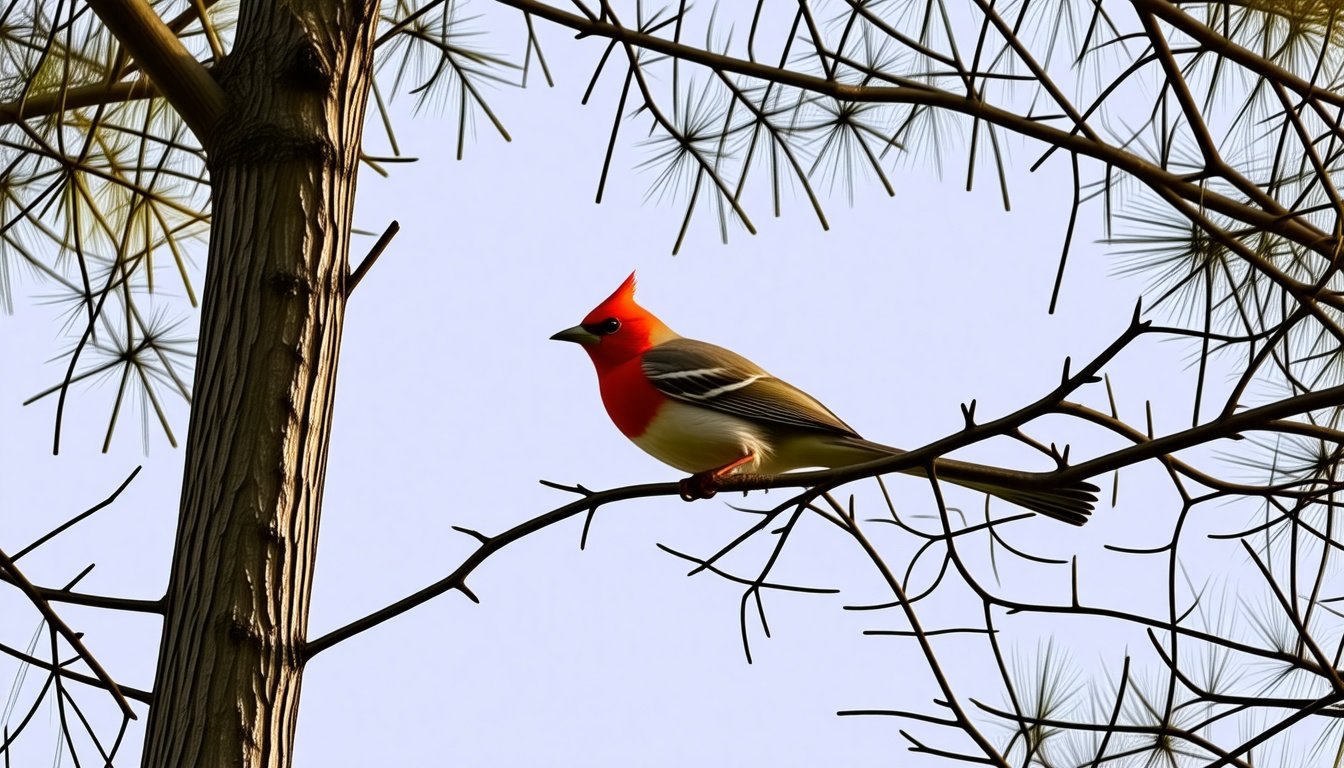
There is something quietly satisfying about sitting on your porch or by a window, watching birds flutter and flit by your carefully set-up feeder. Those tiny visitors bring a sort of calm, a slice of nature that feels personal and pure. But have you ever noticed that some feeders thrive with constant winged visitors, while others feel like lonely islands in a silent sea? The secret often lies not just in what you put in the feeder, but where you put it—and especially what kind of tree cover surrounds it.
Yes, trees. They are more than just green scenery or shady spots. They are the unsung heroes of your backyard birdwatching experience. They can turn your bird feeder into a buzzing café or a ghost town where no feathers dare to show. Let us unravel how trees influence feeder success and why the leafy neighborhood around your feeder matters more than you might think.
Why Tree Cover Matters More Than You Think
You might assume that as long as there is food, birds will come. While food is a big deal, it is not the whole story. Think about your own comfort in a busy city: even if there is a coffee shop offering your favorite brew, would you hang around a spot with zero shade or protection from the wind and noise? Birds feel the same way. Tree cover provides safety, shelter, and sometimes even a quick escape route. Without it, your feeder might look like a cafeteria in the middle of a desert to those little feathered diners.
Trees do a few vital jobs when it comes to feeders:
- Protection from predators. Hawks and neighborhood cats lurk, always on the lookout. Dense branches and leaves offer birds a place to hide or take cover when danger creeps close.
- Spotting and spotting away. Birds often perch in trees near feeders to survey their surroundings before landing or leaving. This lookout point helps them feel less vulnerable.
- Weather shield. Rain, wind, or scorching sun can turn a feeder from a haven into a hostile zone. Tree cover softens these blows, making the feeder area more inviting.
Now, before you go planting a forest around your feeder, there are nuances to this leafy relationship. Not all tree cover is created equal, and not every spot is feeding-haven material. So keep reading—there are surprises ahead.
How Dense Should the Tree Cover Be?
You might guess that the denser the tree cover, the better. Birds get more safe spots and shade, right? Up to a point. Too much tree cover can backfire, and here is why:
- Too dark, too gloomy. Some birds prefer a bit of sunlight when feeding. If your feeder feels like it sits in the middle of a forest floor shadowed by tall pines or spruces, shy little species might avoid it.
- Predator hiding spots. Dense branches can also be perfect ambush spots for hawks or snakes. If a raptor feels like this is hunting ground, birds may stay away.
- Moisture and Mold. Thick tree cover limits sunlight and airflow, which can lead to dampness around the feeder. Moldy seeds? No thanks, says every bird.
Balance becomes your friend here. You want trees to offer protection and perching spots, but not block the feeder so much that it feels closed off or unsafe. Something like partial cover or trees with a bit of space between branches makes a nice combo.
What Types of Trees Attract More Birds?
Not all trees are equal in the eyes of birds. Some trees feel like VIP lounges, while others are more like the waiting room nobody wants to stay in.
- Deciduous trees. Trees like maples, oaks, and birches have wide branches and provide ample perching space. Their seasonal leaves offer varying cover and sunlight through the year. Birds love these mixed signals.
- Evergreens. Pines, spruces, and firs are great all year long because they always have leaves (needles, technically). They provide shelter in winter and good hiding places from predators, but watch out for too much shade.
- Fruit-bearing trees. Bonus points if your trees drop berries or seeds. Birds see your feeder as part of a bigger buffet, where they can get natural treats along with your snacks.
Even better, mixing tree types creates a mini ecosystem that invites a wider variety of feathered friends. Think of it like your feeder having a more exciting neighbor, which naturally draws more guests.
Can Too Much Tree Cover Hurt Your Feeder’s Success?
It might sound strange, but yes. If your feeder is under a big, dense, leafy canopy, it could end up as more of a ghost town than a bird party. Here are some ways that happens:
- Birds get spooked. When they land on a feeder hidden under thick branches, they cannot easily see approaching danger. Birds like to keep a lookout while they eat, not be trapped in a blind spot.
- Seed spoilage. Without enough sun or airflow, seeds get damp and go bad faster. Birds avoid moldy food because it makes them sick.
- Pests love it. Too much cover can attract unwanted guests like squirrels or insects that raid feeders and scare birds away.
So the sweet spot is somewhere between “full sun” and “shadowy cave.” Enough light to keep seeds dry and birds happy, with a few handy branches nearby to offer refuge and comfort.
How to Use Tree Cover to Your Advantage
Here is where your backyard birdwatching gets strategic. You have trees, and you have a feeder. Making them work together? That is an art and a bit of science.
- Place feeders a few feet from trees. Not too close to be overshadowed, but close enough so birds can perch and pop down easily.
- Look for trees with open lower branches. Birds appreciate a quick launching pad. Dense branches near the ground can block escape routes and make them nervous.
- Consider the direction of sunlight. Morning light warms feeders best to dry out dew, while afternoon shade avoids overheating. Trees that give you this natural heating and cooling are golden.
- Trim branches selectively. This helps keep feeders visible and air flowing, reducing mold risk and allowing birds to see threats coming.
Think of your feeder spot as the best table in a café: easy to get to, with a view, safe, and comfortable.
Seasonal Changes and Tree Cover Impact
The story changes as seasons come and go. In winter, evergreens act like shelters from snow and cold winds. They become mini bird rest stops. But in summer, the same evergreens might create too much shade, making it harder for seeds to dry out.
Deciduous trees lose their leaves in winter, opening up the sky and letting more sunlight and warmth reach your feeders. This can help keep seeds dry after snow or rain. But in summer, their leafy canopies create welcome cooling shade for birds that get too hot easily.
Changing your feeder position slightly with the seasons, moving it from under different trees or adjusting it for sun and shade, can boost your success throughout the year. It is a backyard dance with nature’s rhythm.
The Role of Nearby Trees in Attracting Different Birds
Some birds prefer open spaces, while others love thick brush. If your yard has a nice mix, trees can support a wider variety of birds that might want to visit your feeder.
- Songbirds like finches and chickadees favor perching spots in small trees or shrubs near feeders where they can dart quickly.
- Woodpeckers and nuthatches enjoy larger trees with bark to forage, and might use feeders as bonus snack stops nearby.
- Wrens and sparrows often hide in dense shrubs or low branches, then pop out to feed.
So, having a variety of trees and shrubs in the neighborhood helps create a living community, making your feeder destination a hotspot all year long.
Making Your Own Feeder Sanctuary: DIY Ideas
If you want to push your feeder’s success into overdrive, try these simple touches that work with your trees instead of battling them:
- Build perches or platforms attached to nearby branches, giving birds more room to rest close to food.
- Add small brush piles near feeders for cover and to attract insects birds love.
- Use natural colors in your feeders and supports to blend with the trees, making birds feel safer.
- Install squirrel baffles on tree trunks to protect feeders and keep the peace.
These DIY touches help you and your birds feel like partners in a peaceful backyard scene.
Final Thoughts on Trees and Your Feeder
At the end of the day, trees are more than green decorations. They are essential players that shape how birds find, visit, and enjoy your feeders. Too little tree cover and feeders might feel exposed and scary. Too much, and they become dark, damp, and uninviting.
With a little patience and attention to where and how you place your feeders in relation to trees, you can turn your backyard into a favorite stop on the winged highway. Remember, birds are smart—they want safety, comfort, and a good meal. Your job is to provide all three. And when you get it right, trust me, those happy flutters, chirps, and acrobatics will make every minute spent birdwatching feel worth it.
So grab some seed, scout your trees, and watch your feeders come alive with life. Your feathered friends are waiting.