
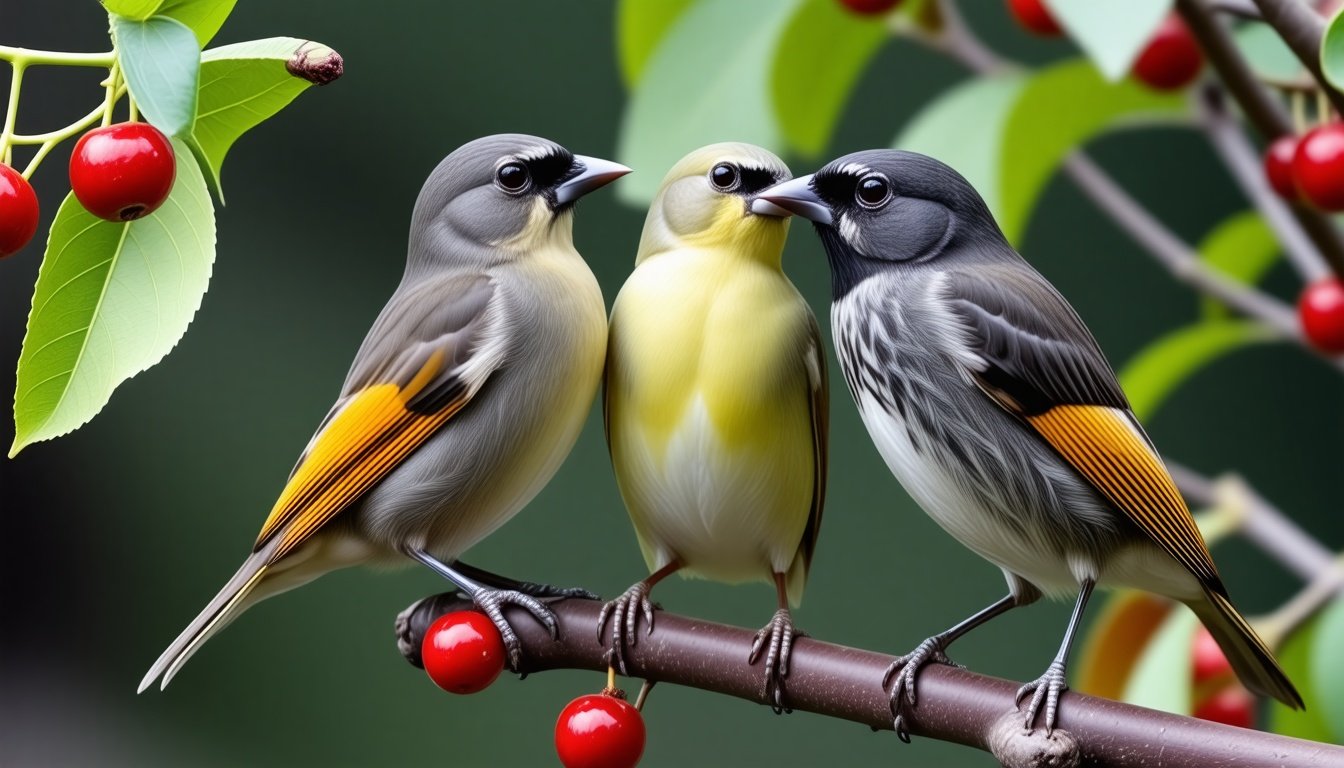
If you have a backyard, you might already know the pure joy of watching birds flutter, hop, and sing right outside your window. It is like having tiny, feathery guests dropping by for a chat or a quick snack. But what if you want to roll out the welcome mat in the best possible way? Not just any snack will do. Birds can be picky. Or worse, some foods can be downright dangerous for them.
So, what fruits are safe and actually loved by backyard birds? That question has haunted backyard bird lovers for ages. Feeding birds fruit is a charming idea because it adds color and variety to their diet, but it also means you have to know which fruits keep them happy and healthy. Because if you hand out something toxic, your good intentions might just backfire.
Have you noticed how some birds go crazy over berries, while others peek carefully at a slice of apple before deciding to take a nibble? It is like each bird has a secret menu. And you get to be the chef! Let us talk about some bird-friendly fruits that will make your place the hottest bird café on the block. Ready to bring some fruity delight into your birdwatching world? Let us jump right in.
Why Fruit? What Is So Special About Fruit for Birds?
Birds are not just seed eaters or bugs chasers. Many species love fruit. It is packed with sugars that give them energy, lots of water to keep them hydrated, and vitamins that make them feel great. Especially in spring and summer, fruit can be a natural feast. Plus, offering fruit in your backyard can attract a variety of birds you may not see otherwise.
But here is the thing: birds do not eat just any fruit in any form. Some fruits can upset their stomachs, or worse, make them sick. Others are toxic. And some birds prefer certain fruits over others. It is all about matching the fruit to the bird and the season. It also pays to think about the right way to offer it: fresh slices, whole berries, or even dried fruit.
Safe Fruits That Backyard Birds Love
Let us get to the fun part — the fruits! Here is a friendly list of fruits that birds adore and are safe for them to eat. These are easy to find and will have your backyard visitors singing your praises.
1. Apples
Who doesn’t love apple pie? Well, birds love apples too (although without the sugar and crust). Cut apples into small chunks or slices and remove the seeds first—apple seeds contain tiny amounts of cyanide, so better safe than sorry. Birds like robins, thrushes, and waxwings will happily munch on them. The juicy texture and mild sweetness are perfect for a mid-morning snack.
2. Berries (Blueberries, Strawberries, Blackberries, Raspberries)
If there were a hall of fame for bird snacks, berries would definitely be in it. Their size, sweetness, and abundance make them irresistible. Most native songbirds, including finches, grosbeaks, and orioles, love berries. They are packed with antioxidants and vitamins. You can offer fresh or freeze-dried berries, both work well. Avoid any berries from plants you do not recognize, as some wild berries can be toxic.
3. Grapes
Grapes are like candy to many birds. They are juicy, sweet, and easy to pick apart. You can cut grapes in half to make it easier for smaller birds. They are a hit with jays, starlings, and mockingbirds. Plus, grapes do not require peeling, which makes your job easier when you prepare the snacks.
4. Oranges and Other Citrus Fruits
You might think “citrus is too sour for birds,” but many actually enjoy it. Oranges and mandarins are usually the most popular. The juicy segments offer hydration and a burst of vitamin C. Put slices or quarters on your feeder or hang them with a string for a colorful treat. Orioles and some woodpeckers will flock to citrus treats during warmer months.
5. Bananas
Bananas might seem peculiar at first, but birds like them. Peel the banana and slice it up. Bananas are soft and easy to eat, so smaller birds like chickadees and titmice appreciate them. They are sweet and energy-rich, helping birds stay active. Just avoid overripe bananas that start to ferment.
6. Melons
Watermelon, cantaloupe, and honeydew are all welcome in the backyard bird menu. Watermelon is especially hydrating on hot days, and birds like cardinals and blue jays enjoy it. Cut into small chunks or scoop little balls with a melon baller to make it easier for birds to eat.
7. Pears
Pears are like the quiet, understated cousin in the fruit family. But birds like robins and thrushes appreciate a piece here and there. Make sure to cut the pear into manageable slices and remove seeds. Their softer texture helps even less aggressive birds enjoy a snack.
Fruits to Avoid Giving Backyard Birds
Feeding birds fruit is wonderful, but some fruits are better left off their menu. These fruits can cause upset tummies or worse, poisoning. If you want the birds to come back day after day, skip these:
- Avocado: This one is a no-go. Avocados contain persin, which is toxic to many bird species.
- Rhubarb: The leaves are toxic, so avoid any part of this plant.
- Cherry, Peach, Plum Pits: The fruit is okay if pits are removed. Never leave pits because they contain cyanide.
- Tomatoes: Technically a fruit, but the green parts and unripe tomatoes can upset bird digestion.
- Unripe Fruit: Some unripe fruits (especially berries) can hurt birds’ stomachs.
How to Offer Fruit to Backyard Birds
Now, handing out fruit is not just about chopping up anything and placing it outside. The way you offer fruit can make a big difference in who visits your bird buffet.
Keep It Fresh and Clean
Wormy or moldy fruit is a dealbreaker. Birds have sensitive digestion, so keep your fruit fresh, rinse berries if picked from bushes, and remove any spoiled pieces. Change out the fruit every day or two. Regular cleaning of feeders or trays helps prevent diseases.
Chop, Slice, Or Leave Whole?
Big fruits should be sliced or chopped into bite-size pieces for small birds. Whole berries or small grapes can be left as is, but think about the size of your feathered friends when deciding.
Use the Right Feeder
You can get creative here. Some birds love fruit skewers, where you put pieces of fruit on a small stick. Others prefer shallow dishes or tray feeders. Some crafty bird watchers even hollow out oranges or pineapples to use as natural feeders!
Combine Fruit with Other Food
Mix fruit with seeds, nuts, or suet to create a nourishing mix. This attracts a wider range of birds and keeps things interesting for your visitors.
Fruit Season and Bird Feeding
Fruit is seasonal, and birds have their own fruit calendars. Summer and early fall are prime times for offering fresh fruit outdoors. In winter, dried fruit is a wonderful alternative. You can make your own dried fruit treats by gently dehydrating slices of apples, pears, or berries. This adds long-lasting options for birds when fresh fruit is scarce.
Which Birds Like Fruit the Most?
Not all birds are fruit lovers. If you want to attract fruit-eating birds, look out for these which commonly enjoy a fruity snack in your backyard:
- Robins: These early risers love berries, apples, and pears.
- Orioles: Citrus, grapes, and oranges are their favorites.
- Waxwings: Berries are their go-to.
- Blue Jays: Grapes, melons, and berries please them.
- Chickadees and Titmice: Bananas and soft fruit work well.
- Thrushes: Apples and pears attract these guys.
Ever spot a cardinal devouring a grape? That is not a coincidence. They find the sweet juiciness hard to resist.
A Few Tips To Make Your Bird Fruit Buffet a Success
- Patience Pays Off: Birds might be shy at first. It can take a few days for new feeders to get noticed.
- Keep Pests Away: Fruit attracts bees and ants too, so check your feeding station often.
- Mix It Up: Rotate fruits for variety and to keep birds curious.
- Watch and Learn: Bird behavior can tell you what fruits they prefer. Note which fruits disappear fastest!
- Go Organic When Possible: Fruits without pesticides will keep birds healthier.
Why Feeding Fruit Is a Gift to Both You and the Birds
Feeding fruit to backyard birds is not just about watching them eat. It is sharing a connection with nature. Seeing a robin peck at a strawberry or a blue jay savor a chunk of melon can make your day better in ways you did not expect. It teaches patience, care, and appreciation for little lives that share your world. Plus, if you create your own DIY fruit feeder, it turns into a fun project that brings joy beyond the watching.
In the end, the best fruit to feed backyard birds is not just safe but full of love. It is a simple way to say “welcome” to the wild neighbors who bring life, color, and song to your yard. With a little curiosity and effort, you can create a bird paradise that feeds both their bodies and your soul.
So, go ahead, grab some berries, slice up an apple, and set the table for your feathered friends. Let the sweet symphony of bird calls and rustling wings begin!